
 Save
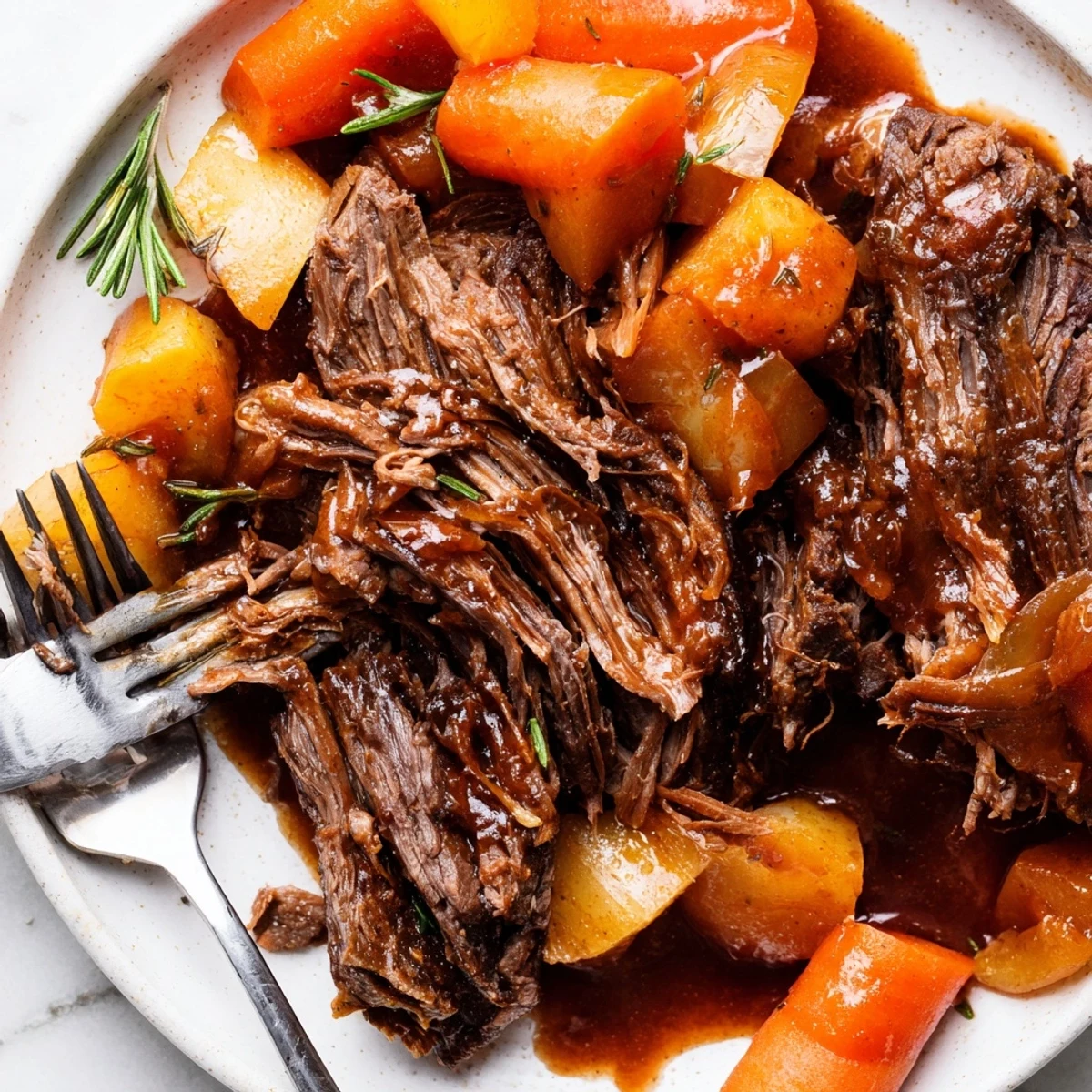
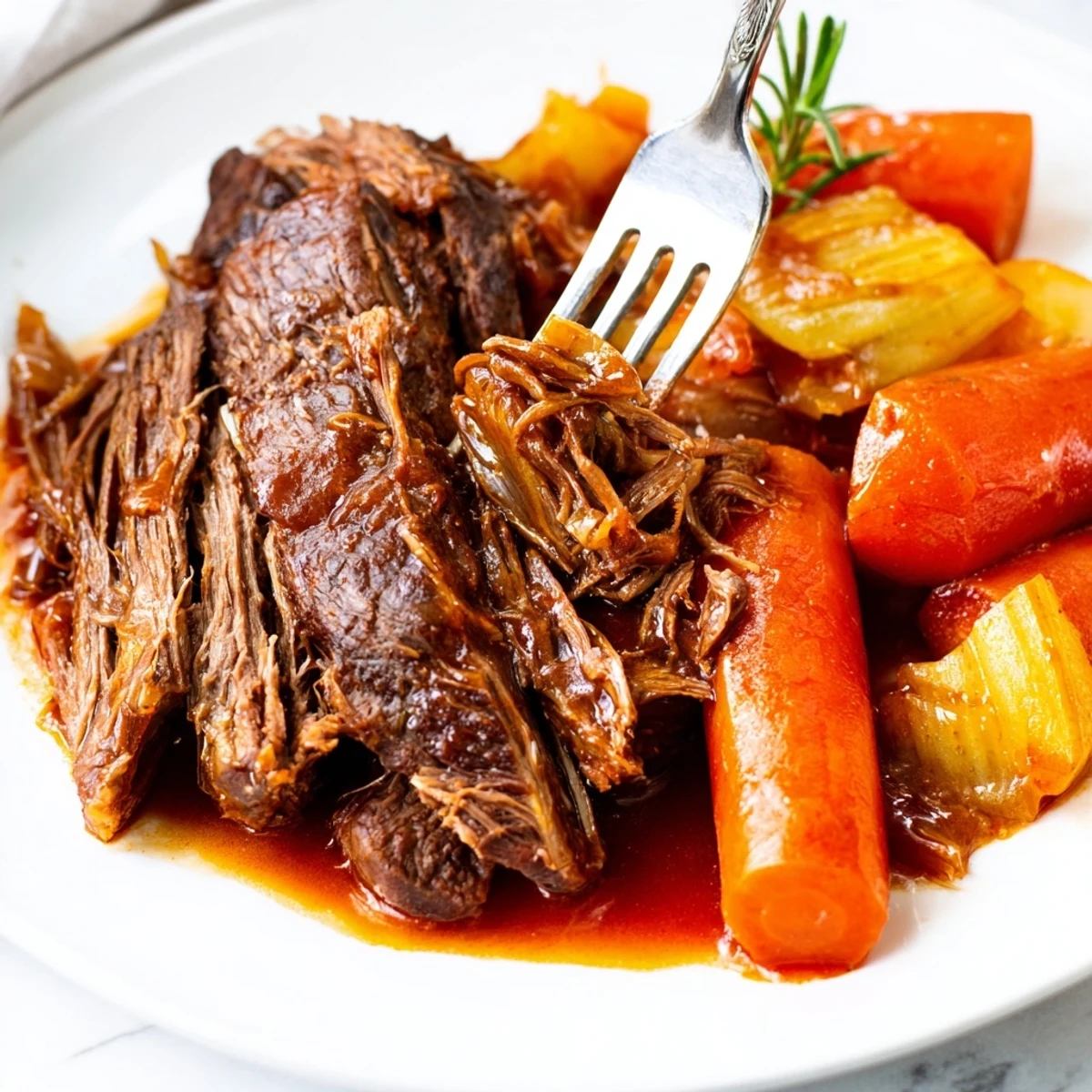
Save This classic American pot roast features a well-seared beef chuck roast braised low and slow in a Dutch oven with beef broth, red wine, and tomato paste. The long cooking time breaks down tough connective tissue, resulting in fork-tender meat that practically melts in your mouth.
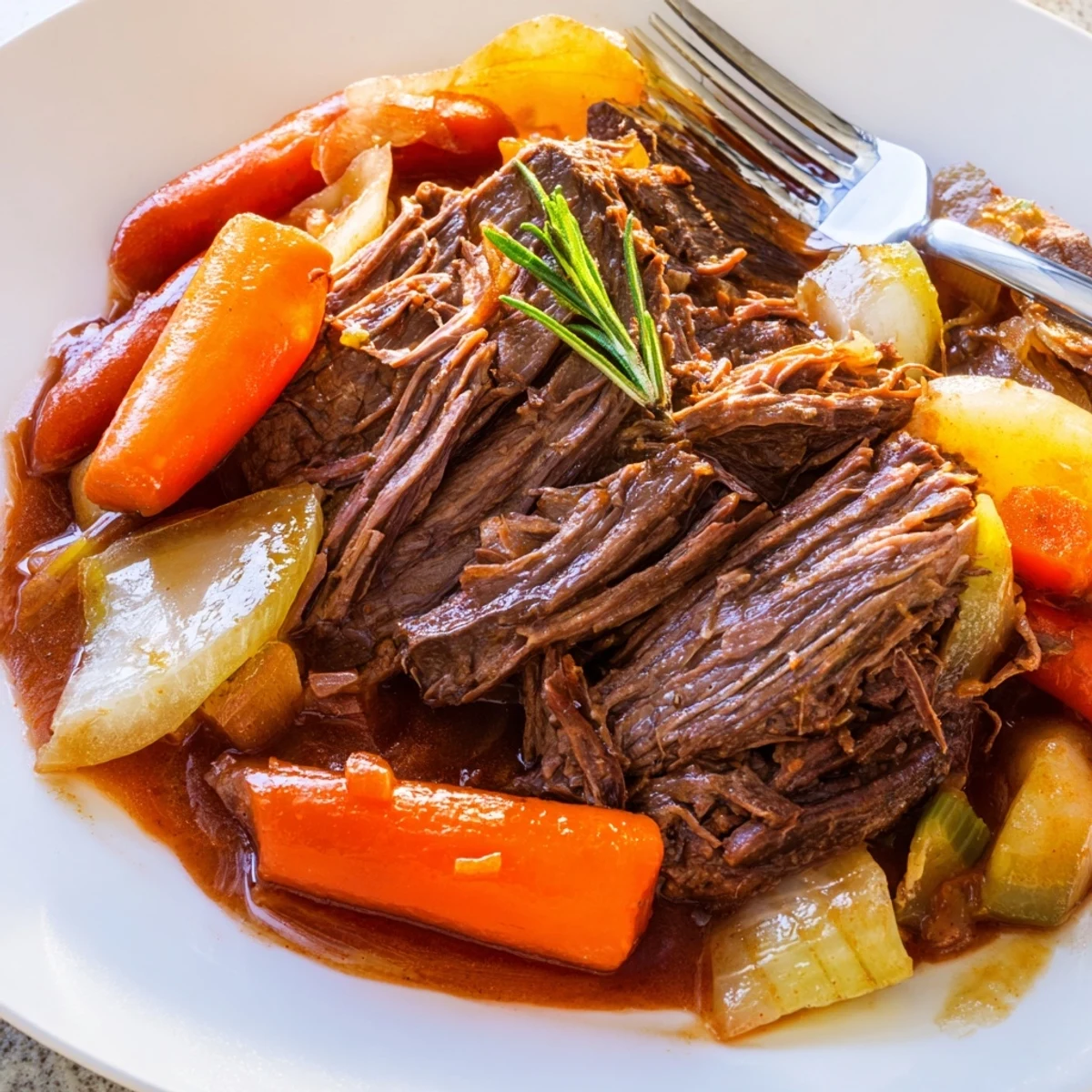
Hearty root vegetables — carrots, celery, and onions — cook alongside the beef, soaking up all the rich, savory flavors from the braising liquid. Fresh rosemary, thyme, and bay leaves add aromatic depth to every bite.
Perfect for Sunday family dinners or special gatherings, this comforting one-pot meal serves six and requires just 20 minutes of hands-on preparation before the oven does the rest of the work.
The kitchen smelled like sunday at my grandmothers house long before I knew what a Dutch oven was or why searing meat mattered. She never measured anything, just tossed vegetables into the pot with a confidence I spent years trying to replicate. This pot roast is my attempt to capture that feeling, the one where the house grows warm and fragrant and nobody wants to leave the table.
One rainy autumn evening I invited friends over and completely forgot to start cooking until two hours before they arrived. I panicked, threw everything into the pot, and realized the oven would do most of the work while I pretended I had my life together.
Ingredients
- 1 (3 to 4 lb) beef chuck roast: Chuck is the only cut that gets truly tender through low slow cooking, so do not swap it for a leaner roast.
- 3 large carrots, peeled and cut into large pieces: Big chunks hold their shape better during the long braise.
- 3 celery stalks, cut into chunks: These melt into the broth and create a savory depth you cannot get any other way.
- 1 large yellow onion, quartered: Quartered onions caramelize beautifully and sweeten the braising liquid.
- 3 to 4 cloves garlic, smashed: Smashing rather than mincing keeps the garlic from burning during searing.
- 2 cups beef broth: Use a good quality broth because it becomes the foundation of your entire sauce.
- 1 cup dry red wine: The wine adds acidity that balances the richness, but extra broth works fine if you prefer to skip it.
- 2 tablespoons tomato paste: A small amount adds body and color that makes the sauce taste like it simmered all day.
- 2 teaspoons kosher salt: Kosher salt distributes more evenly than table salt.
- 1 teaspoon freshly ground black pepper: Freshly cracked pepper has a warmth that pre ground simply cannot match.
- 1 teaspoon dried thyme: Thyme and beef are old friends that bring out the best in each other.
- 2 sprigs fresh rosemary: Whole sprigs infuse gently without overpowering the dish.
- 2 bay leaves: These quietly deepen the flavor and you will forget they are there until the end.
- 2 tablespoons olive oil: Just enough to get a proper sear on the meat.
Instructions
- Heat the oven:
- Set your oven to 300 degrees Fahrenheit and move a rack to the lower third position so the pot sits centered in the heat.
- Prep and season the roast:
- Pat the chuck roast completely dry with paper towels because moisture is the enemy of a good sear. Season all sides generously with the kosher salt and pepper.
- Sear until deeply browned:
- Heat olive oil in a large Dutch oven over medium high heat until it shimmers. Place the roast in and do not move it for four to five minutes per side until you get a deep mahogany crust, then transfer to a plate.
- Build the vegetable base:
- Toss the onions, carrots, and celery into the same pot and let them cook in those leftover meat juices for four to five minutes. Stir in the garlic and tomato paste for one minute until everything smells rich and slightly sweet.
- Deglaze the pot:
- Pour in the red wine and use a wooden spoon to scrape up every browned bit stuck to the bottom because that is pure flavor. Let it simmer for two to three minutes until it reduces slightly.
- Braise low and slow:
- Nestle the roast back into the pot and pour in the beef broth, then tuck in the thyme, rosemary, and bay leaves. Bring it to a gentle simmer on the stovetop, cover tightly, and slide it into the oven for three full hours.
- Rest and serve:
- Remove the pot from the oven and carefully transfer the roast to a cutting board. Fish out the bay leaves and herb stems, then slice or shred the beef and serve it over the vegetables with plenty of pan juices spooned on top.
 Save
Save There is something quietly powerful about a meal that cooks itself while you go about your day.
What to Serve Alongside
Mashed potatoes are the obvious choice and I will never argue against them, but buttered egg noodles or crusty bread for soaking up the juices are equally worthy companions. A simple green salad with vinaigrette cuts through the richness in exactly the right way.
Making It Your Own
Toss in a few parsnips or halved baby potatoes during the last hour and they will soak up the braising liquid like sponges. I once added a tablespoon of soy sauce on a whim and it deepened the flavor without tasting Asian at all.
Handling Leftovers
The leftover beef shreds beautifully into sandwiches with horseradish cream or stirred into a simple soup with the remaining broth and some fresh greens. Store everything together in one container because the meat only gets better as it sits.
- Reheat gently on the stovetop rather than the microwave to keep the meat tender.
- Frozen leftover meat and juices will keep for up to three months.
- Always slice or shred only what you plan to eat so the rest stays juicy in the broth.
 Save
Save Some recipes feed people and some recipes gather them, and this pot roast has always been the second kind for me. Make it once and it will earn a permanent spot in your cold weather rotation.
Recipe FAQs
- → What cut of beef works best for pot roast?
-
Beef chuck roast is the ideal choice for pot roast. It has excellent marbling and connective tissue that breaks down during the long braise, resulting in tender, flavorful meat. Other good options include beef brisket or round roast, but chuck delivers the most consistent results.
- → Can I make pot roast without red wine?
-
Yes, you can absolutely omit the red wine. Simply substitute with an additional cup of beef broth. The acid in wine helps tenderize the meat and adds depth of flavor, but the dish will still be delicious without it. You could also use a splash of balsamic vinegar for a hint of acidity.
- → Why is my pot roast tough instead of tender?
-
Tough pot roast usually means it hasn't cooked long enough. The collagen and connective tissue need extended time at low temperature to break down. Make sure you're cooking at 300°F for a full 3 hours. The roast should be fork-tender and easily shreddable when done. Always slice against the grain for the most tender bites.
- → Can I add potatoes to this pot roast?
-
Yes, potatoes are a wonderful addition. Add halved baby potatoes or quartered Yukon gold potatoes during the last hour and a half of cooking so they don't turn mushy. Russet potatoes can break down too much, so waxy varieties hold up better in the braising liquid.
- → How should I store and reheat leftover pot roast?
-
Store leftover pot roast in an airtight container in the refrigerator for up to 4 days. Keep the meat in the braising liquid to prevent it from drying out. Reheat gently on the stovetop over low heat or in the oven at 300°F until warmed through. Leftovers also make excellent sandwiches or can be shredded into soups.
- → Can I make pot roast in a slow cooker instead of the oven?
-
Yes, you can adapt this for a slow cooker. Sear the meat and sauté the vegetables on the stovetop first, then transfer everything to the slow cooker. Cook on low for 8 hours or on high for 4 to 5 hours until the roast is fork-tender. The stovetop searing step is important for developing deep flavor.