
 Save
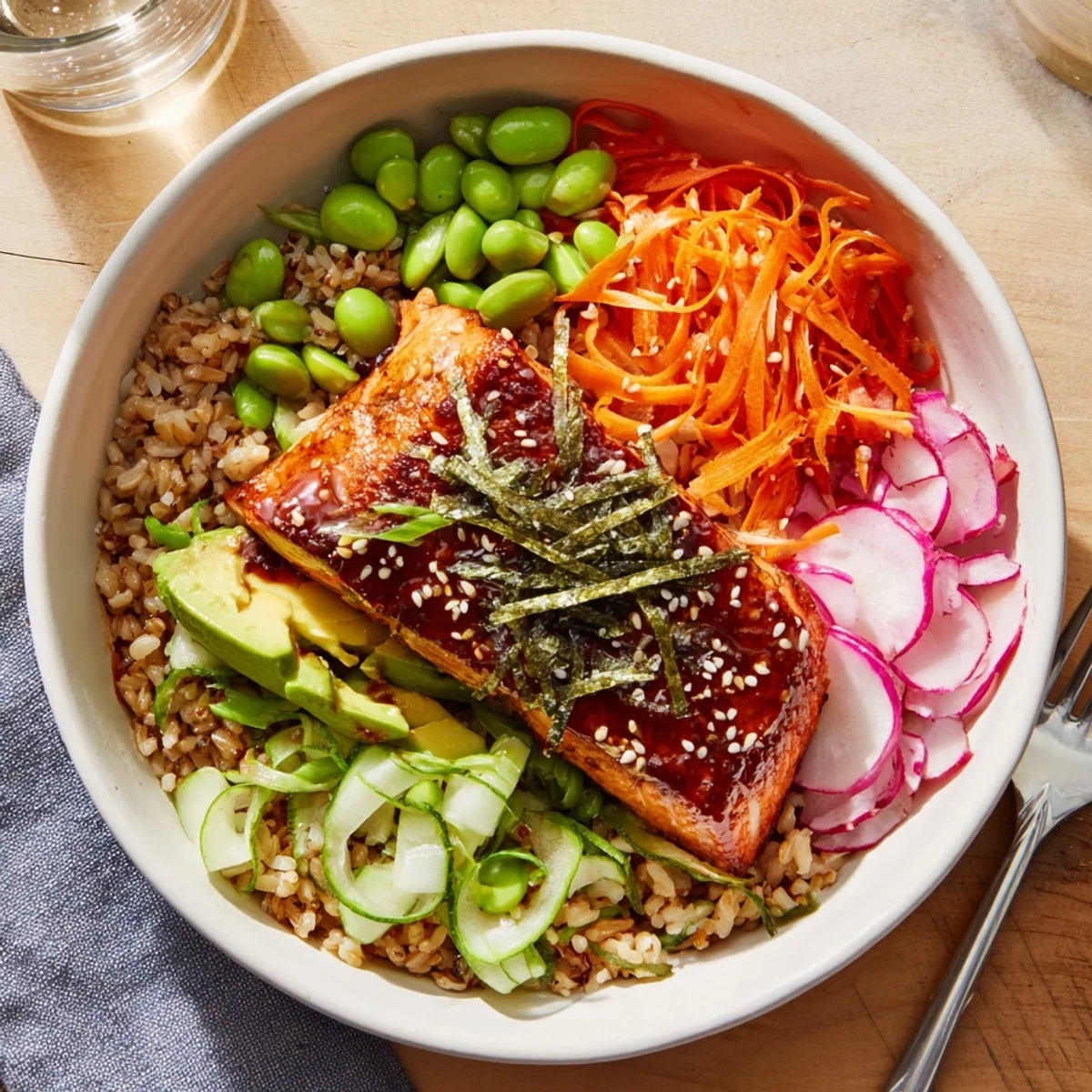
Save This miso salmon grain bowl brings together oven-roasted, miso-marinated salmon fillets with a colorful spread of fresh vegetables and hearty brown rice.
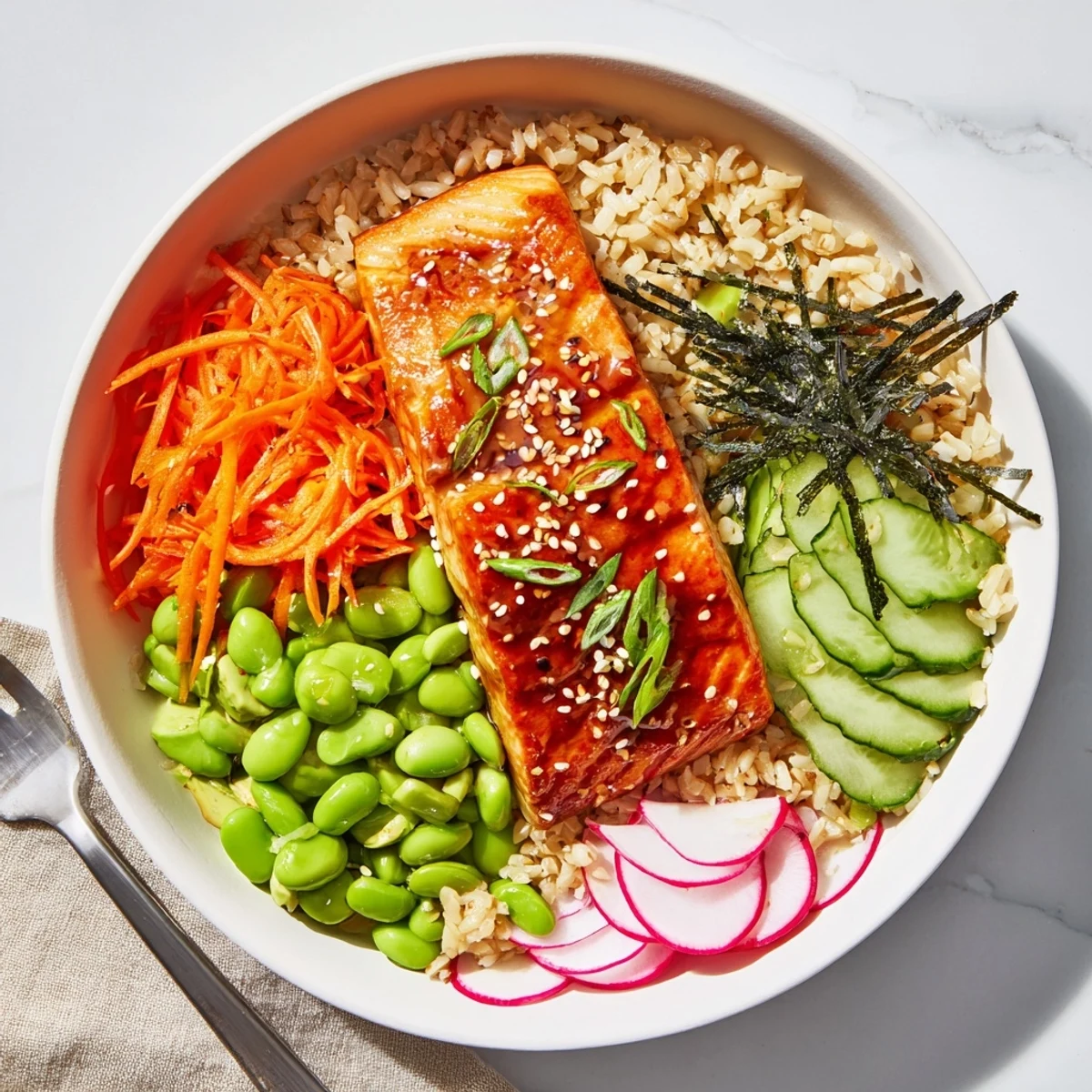
Each bowl is assembled with shredded carrots, cucumber, avocado, radishes, and blanched edamame, then finished with a light rice vinegar and sesame dressing.
Ready in just 40 minutes, it's a balanced, protein-packed meal perfect for busy weeknights.
The smell of miso caramelizing under high heat is the kind of thing that makes neighbors knock on your door and ask what on earth you are cooking. I stumbled onto this combination one rainy Tuesday when the fridge held nothing but a lonely salmon fillet and half a jar of miso paste I had been ignoring for weeks. That impromptu dinner turned into the most requested meal in our house, and now my friends casually hint that they might come over whenever salmon goes on sale.
My friend Clara sat at the kitchen counter the first time I made this for someone else, and she actually stopped mid sentence when she took her first bite. She looked at the bowl, then back at me, and said quietly that she had never thought to put miso on salmon at home. We ate in near silence after that, which is the highest compliment I know.
Ingredients
- Salmon fillets (4, about 150 g each, skin removed): Skin off helps the miso glaze penetrate every surface, and it makes for a cleaner presentation in the bowl.
- White miso paste: White miso is milder and slightly sweet, which balances beautifully with the richness of the salmon without overpowering it.
- Soy sauce: Adds depth and saltiness that anchors the whole glaze together.
- Mirin: This sweet rice wine gives the glaze a glossy finish and a gentle sweetness that rounds off the sharp edges of the miso.
- Sesame oil: Just a teaspoon goes a long way, adding a toasty, nutty aroma that makes everything taste more intentional.
- Honey: Helps the glaze caramelize under heat and adds a soft floral sweetness, though maple syrup works just as well.
- Fresh ginger (grated): Brings a tiny bit of warmth and spice that wakes up the whole dish without stealing attention.
- Cooked brown rice (2 cups): Brown rice has a chewy, nutty quality that stands up well to the bold flavors, but quinoa or farro are wonderful stand ins.
- Shelled edamame (1 cup, blanched): These add a pop of green and a satisfying bite of plant protein that makes the bowl feel complete.
- Shredded carrots (1 cup): For color and a slight crunch that contrasts with the tender fish and soft grains.
- Cucumber (1, thinly sliced): Cool and refreshing, it balances the warm, savory elements beautifully.
- Avocado (1, sliced): Creaminess is everything in a grain bowl, and avocado delivers that without needing a heavy sauce.
- Radishes (4, thinly sliced): Their peppery bite cuts through the richness and makes each mouthful more interesting.
- Scallions (2, thinly sliced): A sharp, fresh finish that brightens every layer underneath.
- Toasted sesame seeds (1 tbsp): Texture and visual appeal in one simple sprinkle.
- Nori strips (1 sheet, optional): Adds a whisper of ocean flavor that ties everything back to the Japanese inspiration.
- Rice vinegar, soy sauce, sesame oil, and honey (for the dressing): A quick, light dressing that brings all the bowl components together without weighing anything down.
Instructions
- Get the oven hot:
- Preheat your oven to 400°F (200°C) and let it come fully to temperature before the salmon goes in, because a hot oven is what makes that glaze turn golden and slightly sticky.
- Whisk together the glaze:
- In a small bowl, combine the miso paste, soy sauce, mirin, sesame oil, honey, and grated ginger, whisking until smooth with no lumps remaining.
- Coat the salmon:
- Brush each fillet generously on all sides with the miso mixture and let them rest for about 10 minutes so the flavors begin to sink in.
- Roast until flaky:
- Arrange the salmon on a parchment lined baking sheet and roast for 12 to 15 minutes, until the edges caramelize and the fish flakes easily when you press it gently with a fork.
- Prep the bowls while waiting:
- While the salmon does its thing in the oven, get your grains ready and arrange all the vegetables in little piles so assembly feels effortless and calm.
- Stir up the dressing:
- Whisk together the rice vinegar, soy sauce, sesame oil, and honey in a small bowl until the honey dissolves completely into the mixture.
- Build each bowl:
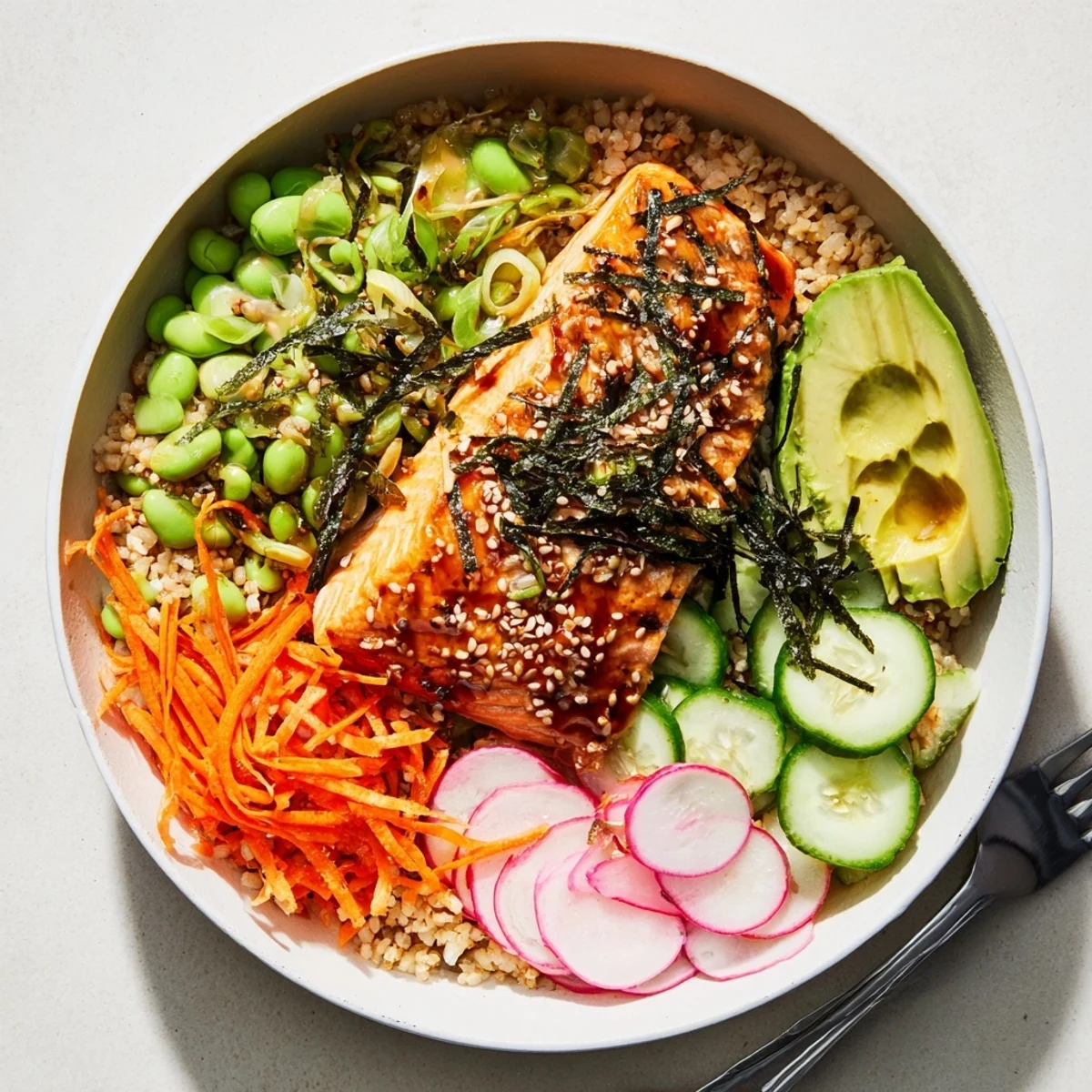
- Divide the warm grains among four bowls, arrange the vegetables attractively around the edges, and place a hot salmon fillet right in the center before drizzling with dressing and sprinkling sesame seeds and nori on top.
 Save
Save There was a Sunday evening when I made this for my partner after a long week, and we sat on the kitchen floor eating our bowls because the table was covered in mail and neither of us wanted to clear it. The salmon was slightly overcooked and the rice was still a bit crunchy in the center, but we laughed about it and finished every last bite anyway.
Grains Are Your Canvas
I have tried this bowl with everything from chewy farro to plain jasmine rice, and each grain changes the entire personality of the dish. Farro makes it feel rustic and hearty, while quinoa keeps things light and slightly earthy. Brown rice is my default because it has enough structure to hold up against the dressing without turning mushy, and its nutty flavor plays well with the miso. Whatever you choose, cook it a little al dente if you can, since the dressing will soften it just slightly as you eat.
Vegetable Prep That Saves Time
The trick to getting this on the table in under 40 minutes is prepping all your vegetables while the salmon marinates. I usually shred the carrots first, slice the cucumber and radishes next, and blanch the edamame in the same pot I used for the rice to save on dishes. Everything goes into separate little piles on a cutting board so that when it is time to assemble, I feel like I am plating food at a cafe rather than cooking dinner at home.
Making It Your Own
This bowl is endlessly adaptable once you understand the basic structure of grains, vegetables, protein, and a light dressing. Some nights I add pickled ginger for a sharp, tangy kick that wakes everything up, and other nights I pile on extra avocado because comfort sometimes looks like more healthy fat. Cauliflower rice works beautifully if you want something lighter, and tamari swaps in seamlessly for anyone avoiding gluten. The important thing is that you end up with a bowl that feels like yours.
- Keep a jar of pickled ginger in the fridge for nights when you want an extra punch without any effort.
- Toasted sesame seeds last for weeks in a sealed container, so make a big batch and sprinkle them on everything.
- Always taste the dressing before you drizzle it, adjusting with a squeeze more vinegar or honey until it sings.
 Save
Save This is the kind of recipe that earns a permanent spot in your rotation because it feels special without demanding a special occasion. Make it once, tweak it your way, and it will quickly become the dinner you reach for when you want something warm, colorful, and genuinely satisfying.
Recipe FAQs
- → What type of miso paste works best for the salmon glaze?
-
White miso paste (shiro miso) is ideal for this dish because of its mild, slightly sweet flavor that complements salmon without overpowering it. Red miso can be used for a bolder, more intense taste.
- → Can I use a different fish instead of salmon?
-
Yes, black cod, sea bass, or trout are excellent alternatives that pair well with the miso glaze. Adjust the roasting time based on the thickness of the fillets.
- → What grains work best as the base?
-
Brown rice is the classic choice, but quinoa, farro, or a mixed grain blend all work beautifully. For a low-carb option, cauliflower rice is a great substitute.
- → How do I know when the salmon is fully cooked?
-
The salmon is ready when it flakes easily with a fork, typically after 12 to 15 minutes in a 400°F oven. The internal temperature should reach 145°F for fully cooked salmon.
- → Can I make the miso marinade ahead of time?
-
Absolutely. The marinade can be prepared up to 3 days in advance and stored in an airtight container in the refrigerator. The flavors will continue to develop over time.
- → Is this dish gluten-free?
-
It can be made gluten-free by substituting regular soy sauce with tamari and ensuring your miso paste is certified gluten-free. Always check individual product labels to be certain.
- → How should I store leftovers?
-
Store the salmon, grains, and vegetables in separate airtight containers in the refrigerator for up to 2 days. Reheat the salmon gently in a low oven to avoid overcooking.