
 Save
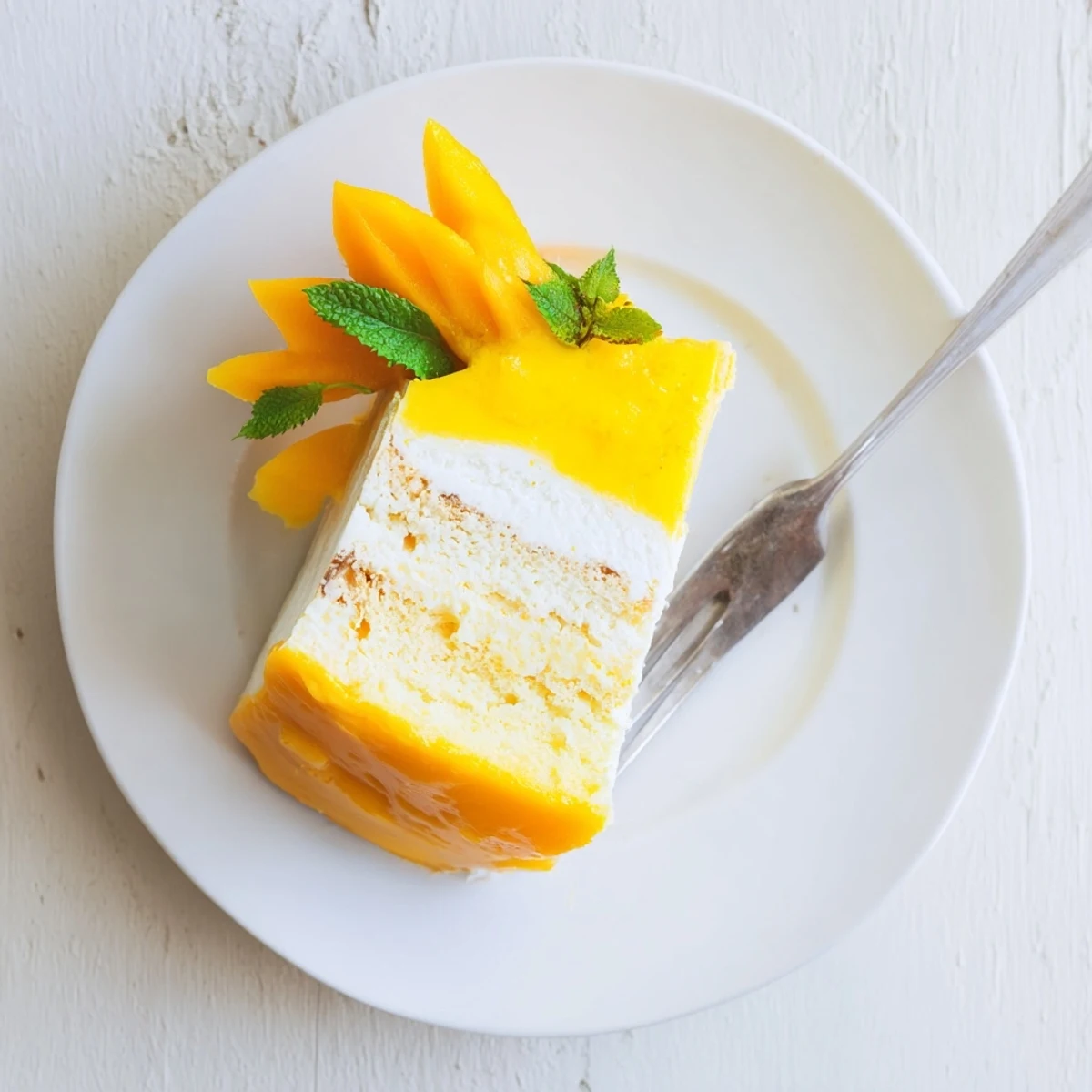
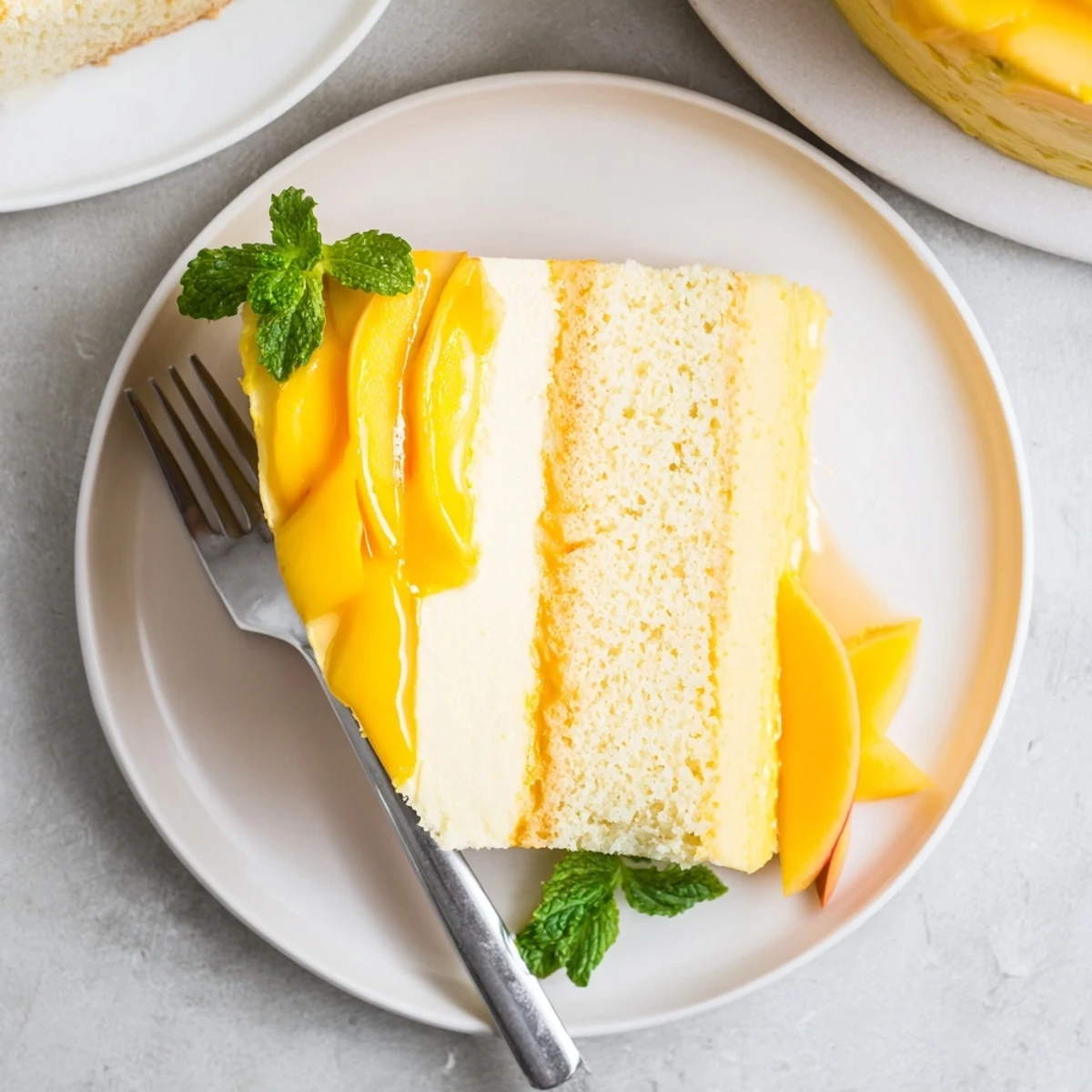
Save This elegant dessert combines three stunning layers for a showstopping presentation. A tender vanilla sponge forms the foundation, supporting a cloud-like mango mousse infused with fresh fruit and whipped cream. The crowning touch is a mirror-like mango glaze that adds both beauty and intense tropical flavor.
Perfect for warm weather entertaining, this make-ahead dessert requires mostly hands-off chilling time. The bright mango flavor balances beautifully with the airy mousse texture, while the glossy finish creates a professional bakery appearance. Each slice delivers creamy, fruity, and cakey elements in perfect harmony.
My aunt brought this mango mousse cake to our family reunion last summer, and I swear the room went silent after the first bite. The tropical sweetness hit like sunshine, while that cloud-like mousse made everyone ask how she achieved such impossible lightness. I spent weeks pestering her for the recipe, texting at odd hours about gelatin ratios and whipping times. Now it is become my go-to dessert when I need something that looks fancy but tastes like pure joy.
I made this for my daughters birthday in June, and the way her eyes lit up when I brought it out was everything. The glossy glaze caught the afternoon light streaming through our kitchen windows, making it look almost too pretty to cut. Watching my friends scoop up seconds, declaring this the best dessert they had tasted in years, reminded me why I love feeding people.
Ingredients
- 3 large eggs at room temperature: Temperature matters here as cold eggs will not whip up properly for that airy sponge
- 90 g granulated sugar: Divide this carefully between the sponge and mousse layers
- 90 g all-purpose flour: Sift this twice to prevent any lumps in your delicate sponge
- 1/2 tsp vanilla extract: Pure vanilla extract makes all the difference in the final flavor
- Pinch of salt: Just enough to brighten the sweetness without being detectable
- 400 g ripe mango flesh: Choose mangoes that give slightly when pressed for the sweetest puree
- 60 g granulated sugar: Adjust slightly depending on how sweet your mangoes are
- 2 tbsp lemon juice: This brightens the mango flavor and helps balance the richness
- 1 tbsp unflavored gelatin powder: Bloom this properly or your mousse will not set
- 300 ml heavy cream cold: Cold cream whips faster and holds its structure better
- 150 g mango puree: Use the same mangoes for consistency throughout the cake
- 1 tbsp lemon juice: Adds the same brightness to the glaze as the mousse
- 1 tbsp granulated sugar: Just enough to make the glaze shine without being cloying
- 1.5 tsp unflavored gelatin powder: This creates that beautiful mirror-like finish
- Fresh mango slices mint leaves: The simplest decorations often look the most elegant
Instructions
- Prepare the oven and pan:
- Preheat your oven to 180°C (350°F) and line the bottom of a 23 cm (9-inch) springform pan with parchment paper.
- Whip the eggs:
- Beat eggs and sugar with an electric mixer until pale and tripled in volume, about 5 minutes.
- Fold the dry ingredients:
- Gently fold in flour, salt, and vanilla extract until just combined, being careful not to deflate the batter.
- Bake the sponge:
- Pour into the prepared pan and bake for 12–15 minutes, until a toothpick inserted in the center comes out clean.
- Cool completely:
- Let the sponge cool completely in the pan before adding any layers.
- Bloom the gelatin:
- Sprinkle gelatin over 3 tbsp cold water and let it bloom for 5 minutes, then gently heat until dissolved.
- Blend the mango mixture:
- Blend mango puree, sugar, and lemon juice until completely smooth, then stir in the dissolved gelatin.
- Whip the cream:
- Whip heavy cream to soft peaks, then gently fold it into the mango mixture until smooth and uniform.
- Assemble the mousse layer:
- Pour the mousse over the cooled sponge base, smoothing the top with an offset spatula.
- Set the mousse:
- Refrigerate for at least 2 hours until the mousse is completely set and firm to the touch.
- Prepare the glaze gelatin:
- Bloom gelatin in 2 tbsp cold water, then gently heat until completely dissolved.
- Mix the glaze:
- Mix mango puree, lemon juice, and sugar in a bowl, then stir in the dissolved gelatin until combined.
- Cool the glaze:
- Let the glaze cool to room temperature, then pour it carefully over the set mousse layer.
- Chill until firm:
- Chill for at least 2 more hours, or until the glaze is firm and no longer jiggles when you shake the pan.
- Release and decorate:
- Carefully run a knife around the edge of the pan and remove the cake, then decorate with fresh mango slices and mint leaves.
 Save
Save This cake has become my signature dessert for summer potlucks, and I always get asked for the recipe at least three times per gathering. Something about that combination of tropical fruit and cloud-like texture makes people feel cared for, like you put extra thought into making something special just for them.
Making It Ahead
The beauty of this mango mousse cake is that it actually improves after resting overnight in the refrigerator. The flavors meld together beautifully, and the texture becomes even more luxurious. You can make the sponge base a day ahead and store it wrapped tightly at room temperature.
Choosing Your Mangoes
I have learned that the Ataulfo or Champagne mangoes yield the smoothest, sweetest puree with minimal fibrous strings. Regular Tommy Atkins mangoes work fine too, but you might need to strain the puree through a fine-mesh sieve for that silky texture. The mangoes should yield slightly to gentle pressure and have a sweet fragrance at the stem end.
Serving Suggestions
This cake is stunning on its own, but I love to serve it with something that cuts through the richness. A glass of chilled Moscato dAsti creates this perfect moment of indulgence that feels like a fancy restaurant dessert at home.
- Let the cake sit at room temperature for 10 minutes before serving for the best texture
- Use a sharp knife dipped in hot water and wiped clean between slices for clean cuts
- Any leftovers keep well in the refrigerator for up to 3 days, though they rarely last that long
 Save
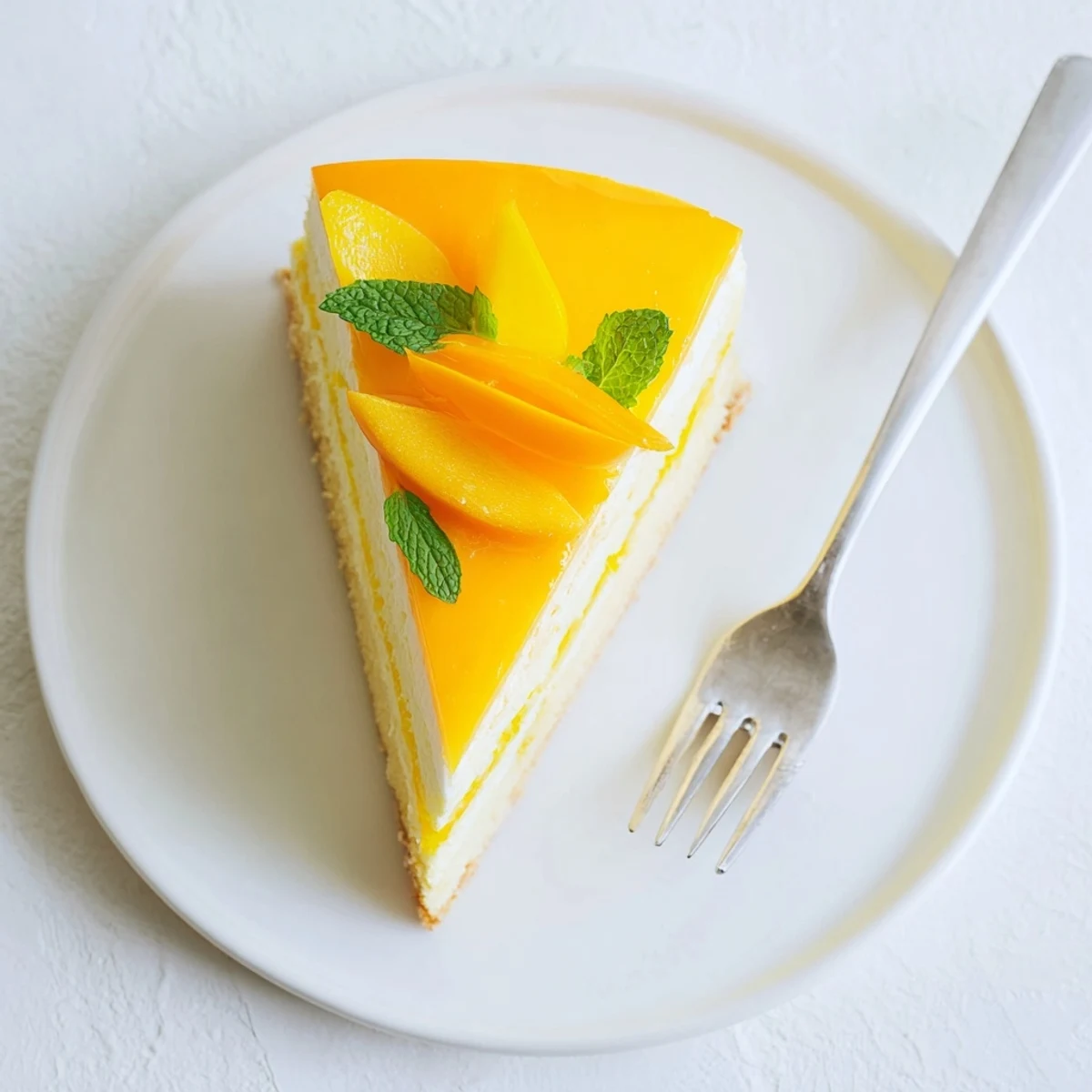
Save There is something deeply satisfying about slicing into this cake and seeing those perfect layers, knowing you created something both beautiful and delicious from scratch. Every bite feels like summer on a fork.
Recipe FAQs
- → Can I use frozen mango for this dessert?
-
Yes, frozen mango chunks work well when fresh mangoes aren't available. Thaw completely and drain excess liquid before pureeing to maintain proper consistency in both mousse and glaze layers.
- → How far in advance can I make this?
-
The complete dessert can be made 2-3 days ahead and stored refrigerated. For best results, add fresh mango decorations within a few hours of serving to maintain optimal texture and appearance.
- → What can I substitute for gelatin?
-
Agar-agar powder can replace gelatin—use approximately 1.5 times the amount specified. Note that the setting texture may be slightly firmer, and chilling times might vary slightly.
- → Why did my mousse not set properly?
-
This usually occurs when the gelatin isn't fully dissolved or when hot ingredients are folded into whipped cream causing it to break. Ensure gelatin is completely melted before incorporating, and let mixtures cool to room temperature before combining.
- → Can I make this gluten-free?
-
Absolutely. Replace the all-purpose flour in the sponge base with a 1:1 gluten-free flour blend. The texture remains remarkably similar, making this suitable for those avoiding gluten without compromising quality.
- → How do I get perfectly clean slices?
-
Run your knife under hot water and wipe dry between each slice. Use a sharp, thin-bladed knife and cut with gentle sawing motions. For extra precision, chill the cake thoroughly before serving.