
 Save
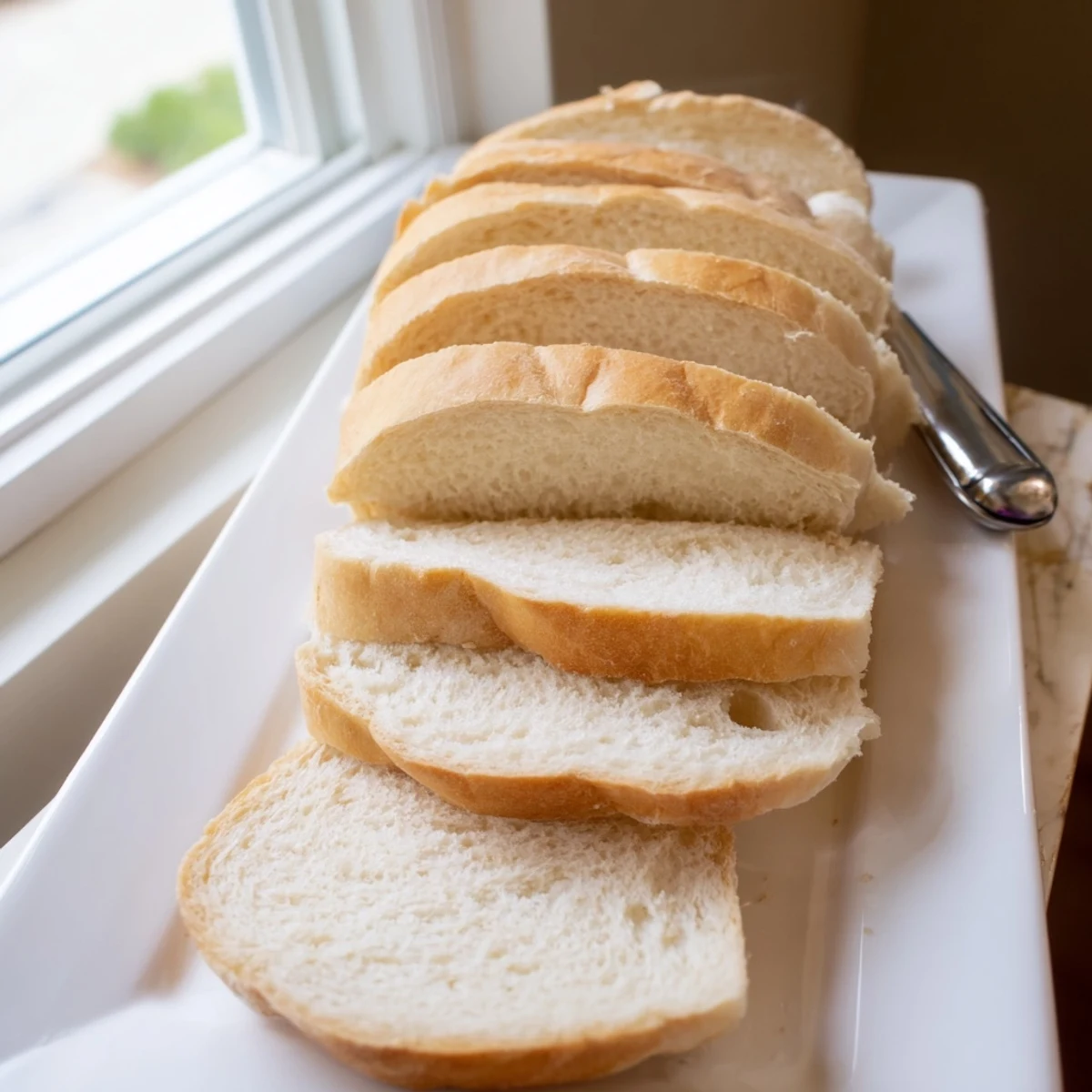
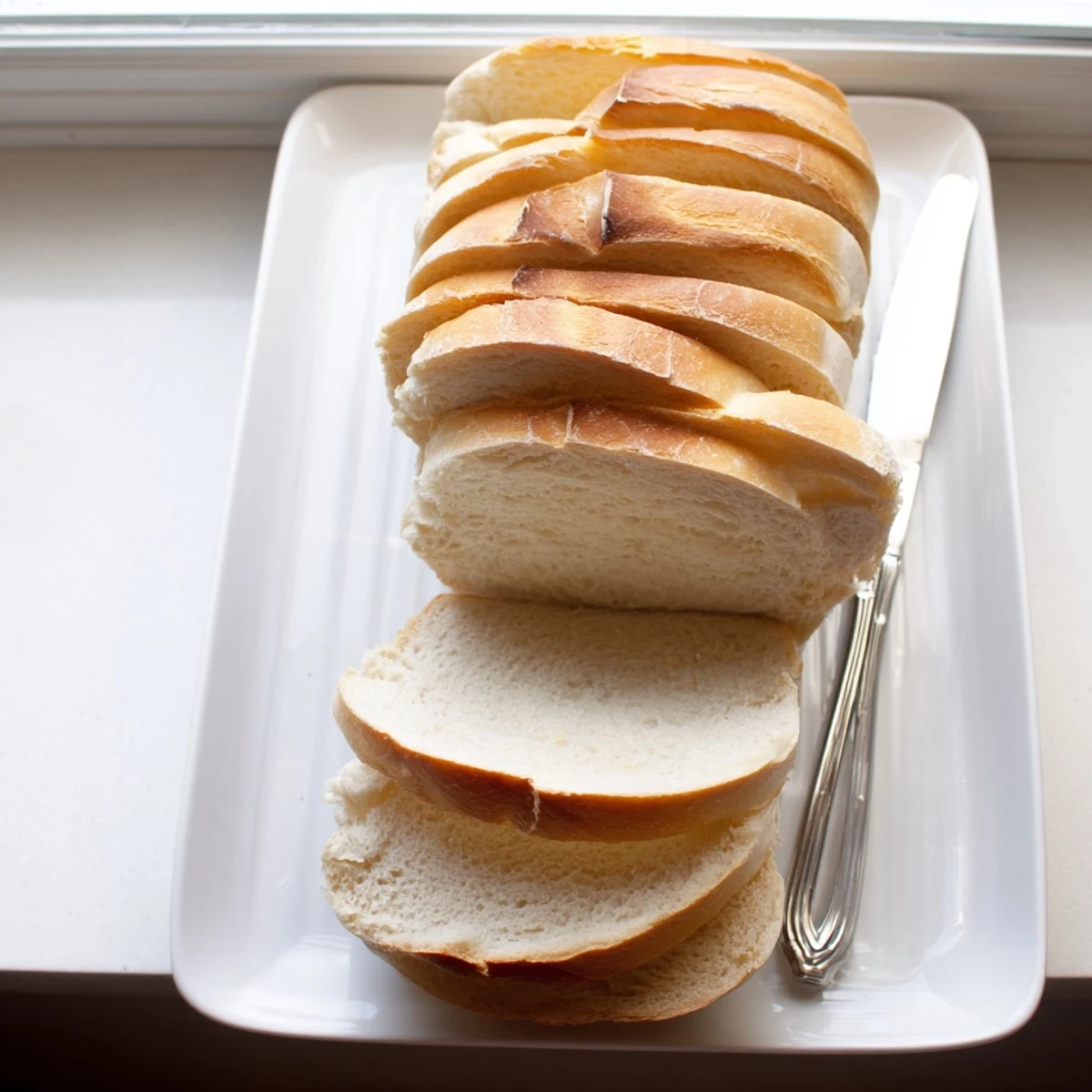
Save Create two beautiful loaves of traditional Amish white bread with this simple method. The dough comes together with just six pantry ingredients, requiring minimal hands-on time before rising into pillowy, golden-brown masterpieces. Each slice delivers that characteristic soft texture and subtle sweetness that makes this bread perfect for everything from morning toast to hearty sandwiches.
The process involves mixing warm water with sugar and yeast, gradually incorporating flour until a smooth dough forms. After two rise periods, the loaves bake into beautiful golden crusts with tender interiors. Brush the tops with melted butter while warm for an extra soft crust that stays fresh for days.
The smell of yeast blooming in warm water still takes me back to my grandmother's tiny kitchen, where she'd let me stand on a chair to watch the magic happen. Something about that simple combination of flour and water transforming into bread felt like the most profound lesson in patience I'd ever learn. Now my own kitchen carries that same comforting aroma on baking days.
I once made six loaves in a single weekend because my brother mentioned he loved homemade bread and I couldn't stop at just two. The house smelled like a bakery for days and neighbors started casually dropping by just as the bread was coming out of the oven. That's when I learned this recipe creates community as easily as it creates carbohydrates.
Ingredients
- Warm water: The temperature matters more than you think too hot kills the yeast too cold and it sleeps
- Granulated sugar: Feeds the yeast and adds just enough sweetness to make this bread special
- Active dry yeast: The living ingredient that does all the heavy lifting
- Salt: Dont skip it it balances the sweetness and gives the bread structure
- Vegetable oil: Keeps the bread tender and helps it stay fresh longer
- Allpurpose flour: The foundation start with 5 12 cups and adjust based on how the dough feels
- Melted butter for topping: That glossy finish that makes the crust irresistible
Instructions
- Wake up the yeast:
- Dissolve sugar in warm water then sprinkle yeast on top and watch it bloom into foam
- Build the dough:
- Mix in salt and oil then gradually add flour until the dough pulls away from the bowl
- Knead with purpose:
- Work the dough on a floured surface for 6 to 8 minutes until it feels smooth and elastic under your hands
- First rise:
- Place dough in a greased bowl cover it and let it double in size about an hour
- Shape the loaves:
- Punch down dough divide in half and gently shape each piece into a loaf for your pans
- Second rise:
- Let the loaves rise until they crest about an inch above the pan rims
- Bake to golden:
- Bake at 350°F for 25 to 30 minutes until loaves sound hollow when tapped
- Finish with butter:
- Brush hot loaves with melted butter for that soft glossy crust
 Save
Save My daughter now asks to help knead the dough and I watch her small hands pressing into the elastic ball just like I did thirty years ago. Some recipes are just meant to be passed down like that through flourdusted hands and happy memories.
Making It Your Own
Swap some water for whole milk to create a richer loaf that feels almost decadent. A tablespoon of honey added with the sugar introduces a subtle floral note that pairs beautifully with morning jam.
Storage Secrets
This bread stays fresh for four days in an airtight bag on the counter but honestly it rarely lasts that long in my house. For longer storage slice the loaves before freezing and you can pull out exactly what you need.
Serving Ideas
Thick slices transform into the best French toast youve ever made and dayold bread cubes create exceptional bread pudding. This recipe also makes the most incredible grilled cheese sandwiches.
- Try cinnamon toast by buttering warm slices and sprinkling with sugar and cinnamon
- Cubed and toasted it becomes perfect croutons for soup salads
- The slightly sweet profile pairs beautifully with sharp cheddar for cheese toast
 Save
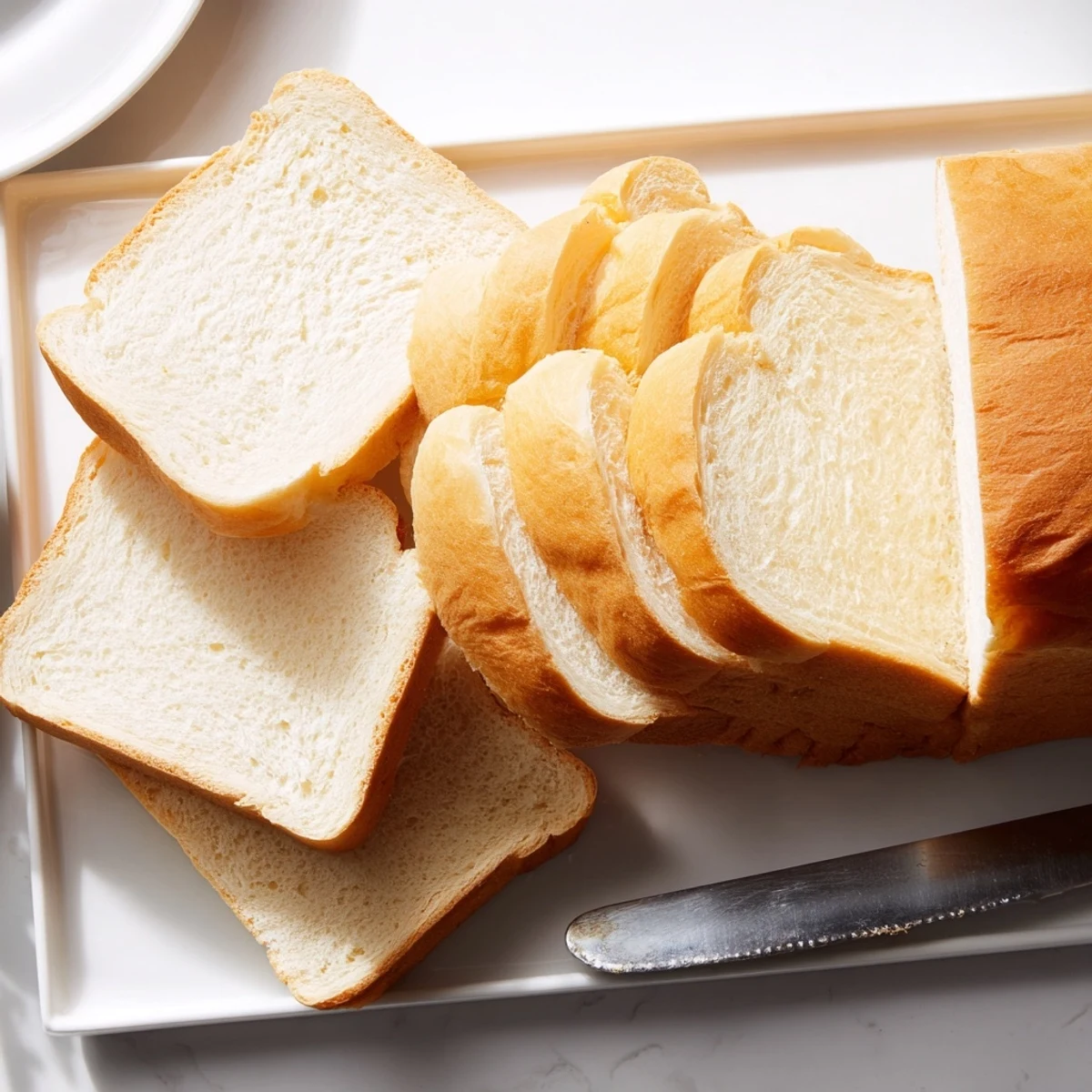
Save There's nothing quite like warm homemade bread with melting butter to make any ordinary Tuesday feel like a celebration.
Recipe FAQs
- → Why is Amish white bread so soft?
-
The combination of sugar, oil, and proper kneading creates a tender crumb structure. The two rise periods allow the yeast to develop gluten properly, resulting in that characteristic pillowy texture that stays soft for days.
- → Can I use whole wheat flour instead of all-purpose?
-
You can substitute up to half of the all-purpose flour with whole wheat, though the loaf will be denser and slightly less fluffy. For best results, use white whole wheat flour to maintain a lighter texture while adding whole grain nutrition.
- → How do I know when the bread is done baking?
-
The loaves are ready when they're golden brown on top and sound hollow when tapped on the bottom. An instant thermometer inserted into the center should read 190-200°F. The internal temperature is the most reliable indicator of doneness.
- → Why did my dough not rise properly?
-
Most often, this happens when the water is too hot and kills the yeast, or too cold and doesn't activate it. Always aim for 110°F water. Also ensure your yeast is fresh—expired yeast won't proof properly no matter how perfect your technique.
- → Can I make this bread without a stand mixer?
-
Absolutely! This dough comes together beautifully with hand mixing and kneading. Simply mix with a wooden spoon until it becomes too stiff to stir, then turn onto a floured surface and knead by hand for 8-10 minutes until smooth and elastic.
- → How should I store this bread?
-
Once completely cooled, store in an airtight plastic bag at room temperature for up to 4 days. For longer storage, wrap loaves tightly in plastic wrap and freeze for up to 3 months. Thaw at room temperature before enjoying.