
 Save
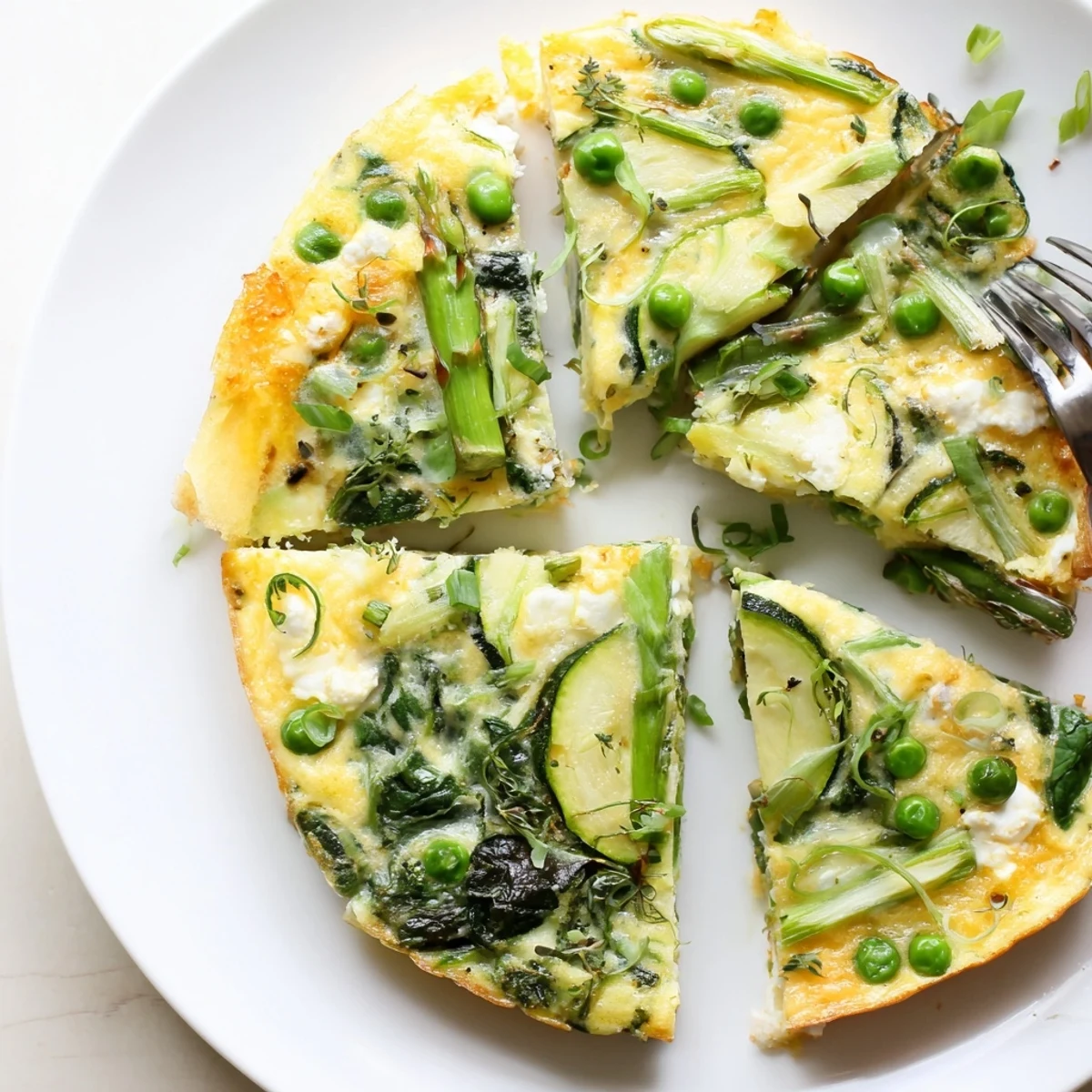
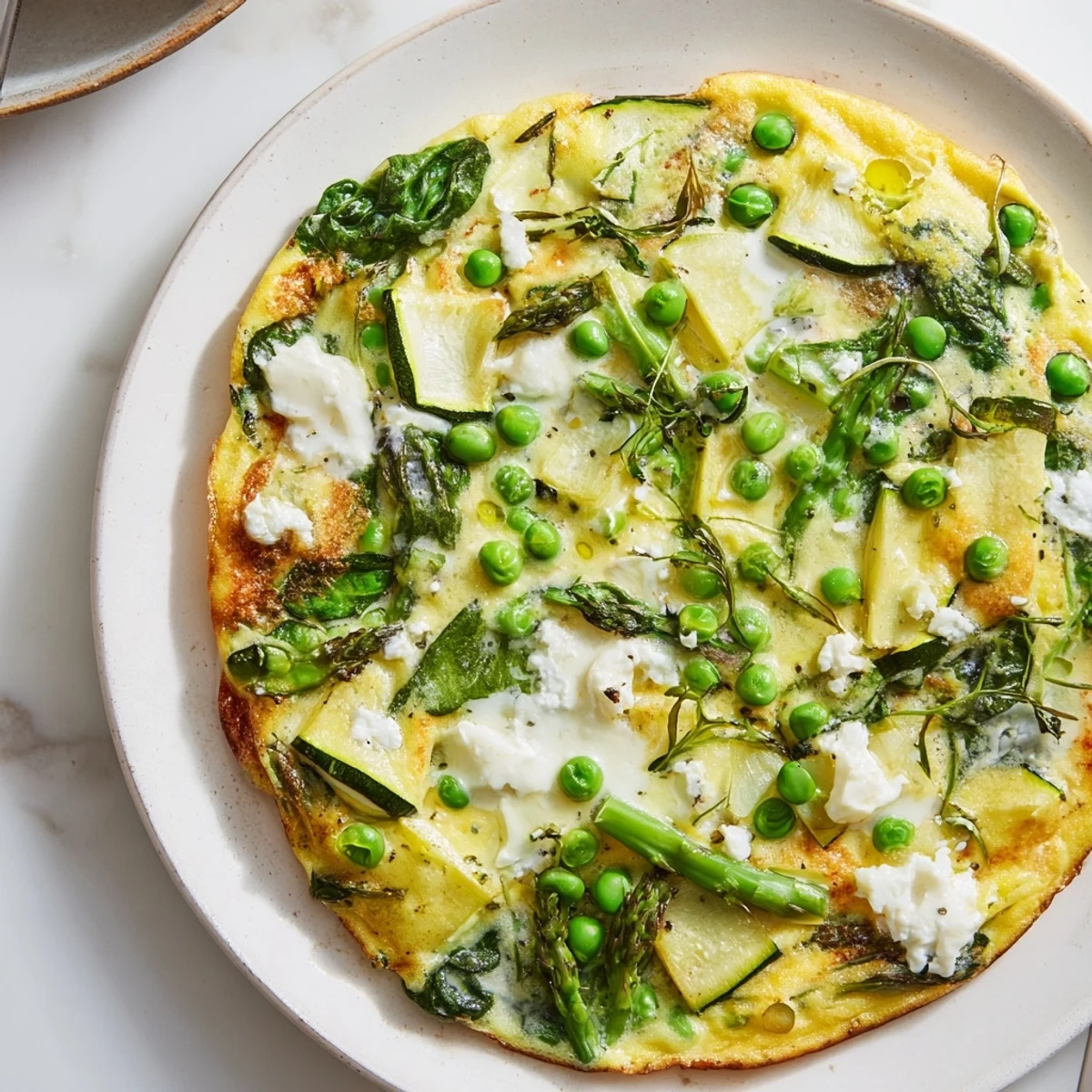
Save This oven-baked frittata brings trimmed asparagus, spinach, peas, zucchini and scallions together with whisked eggs and a splash of cream. Sauté the vegetables in an ovenproof skillet, pour the egg custard over, top with crumbled goat cheese, gently set the edges on the stove, then finish in the oven until lightly golden. Rest slightly before slicing; garnish with fresh herbs or a light salad.
The farmers market had just opened for the season and my basket was overflowing with asparagus, baby spinach, and scallions before I even made it past the second stall. I had no plan, just a skillet and a carton of eggs waiting at home. That impulsive morning haul turned into the best frittata I have ever made, a puffy golden disc studded with green vegetables and blobs of softened goat cheese that tasted like spring itself on a plate.
I served this to my neighbor Helen one Sunday when she stopped by to return a borrowed vase and ended up staying for two hours. She ate three slices and asked for the recipe before she even left the kitchen.
Ingredients
- 1 cup asparagus, trimmed and cut into 1 inch pieces: Snap the woody ends off and they break naturally at the right spot every time.
- 1 cup baby spinach: Fresh spinach wilts down beautifully and adds a lovely dark green contrast throughout the frittata.
- 1/2 cup frozen peas, thawed: Frozen peas actually hold their shape and sweetness better than fresh ones in this dish.
- 1 small zucchini, sliced into thin half moons: Slice them thin so they cook through quickly alongside the other vegetables.
- 4 scallions, thinly sliced: The mild onion flavor of scallions permeates the entire frittata without overpowering anything.
- 8 large eggs: This is the kind of recipe where having eggs at room temperature helps them blend more smoothly.
- 1/4 cup whole milk or cream: A splash of dairy keeps the texture silky rather than rubbery.
- 1/2 teaspoon salt and 1/4 teaspoon black pepper: Season the egg mixture generously because the vegetables will dilute the salt slightly.
- 1/2 teaspoon fresh thyme leaves (or 1/4 teaspoon dried): Thyme brings an earthy aroma that ties all the green vegetables together.
- 4 oz goat cheese, crumbled: Drop it in uneven crumbles so every slice gets pockets of tangy creaminess.
- 1 tablespoon olive oil: Just enough to coat the pan and give the vegetables a gentle sauté before the eggs join.
Instructions
- Warm up the oven:
- Set your oven to 375 degrees F and let it come to temperature while you prepare the vegetables so everything is ready to go.
- Sauté the sturdy vegetables:
- Heat olive oil in a large ovenproof skillet over medium heat and add the asparagus, zucchini, and scallions, cooking until they soften slightly and release a wonderful savory fragrance.
- Wilt the greens:
- Toss in the spinach and peas, stirring just until the spinach collapses and turns a deep glossy green.
- Whisk the eggs:
- In a bowl, combine the eggs, milk, salt, pepper, and thyme, whisking until the mixture is uniform and slightly frothy on top.
- Combine and settle:
- Spread the vegetables evenly across the skillet, pour the egg mixture over them, and give the pan a gentle shake so everything settles into place.
- Add the goat cheese:
- Scatter crumbled goat cheese across the surface, letting the pieces fall wherever they naturally land.
- Set the edges:
- Cook on the stovetop without stirring over low medium heat just until you see the edges pulling away from the skillet and turning opaque.
- Finish in the oven:
- Transfer the skillet to the oven and bake until the center is set and the top has a light golden blush that makes you want to cut into it immediately.
- Rest and serve:
- Let the frittata cool for a few minutes before slicing so it holds its shape, then serve it warm or at room temperature.
 Save
Save There is something deeply satisfying about pulling a whole skillet out of the oven and bringing it straight to the table, puffed and fragrant, while everyone gathers around.
Getting the Texture Just Right
The difference between a good frittata and a great one comes down to not overcooking the eggs. You want the center to be just set with a slight wobble when you gently shake the pan, because carryover heat will finish the job as it rests. I learned this the hard way after pulling one out too late and finding a rubbery slab that no amount of goat cheese could rescue.
Swaps and Substitutions
This recipe forgives almost any vegetable you want to toss in, which makes it perfect for clearing out the fridge at the end of the week. Feta works beautifully in place of goat cheese if you prefer a saltier, firmer bite. For a fully plant based version, use a quality egg substitute and vegan cheese, though the texture will be noticeably different.
Serving Ideas and Final Thoughts
A simple arugula salad with lemon dressing and some crusty bread turn this into a complete meal that feels intentional without any extra effort.
- Leftover frittata keeps well in the fridge for up to three days and tastes just as good cold.
- Try adding fresh chives or dill right before serving for a bright herbal finish.
- Always let it rest at least five minutes before slicing so it does not fall apart on the plate.
 Save
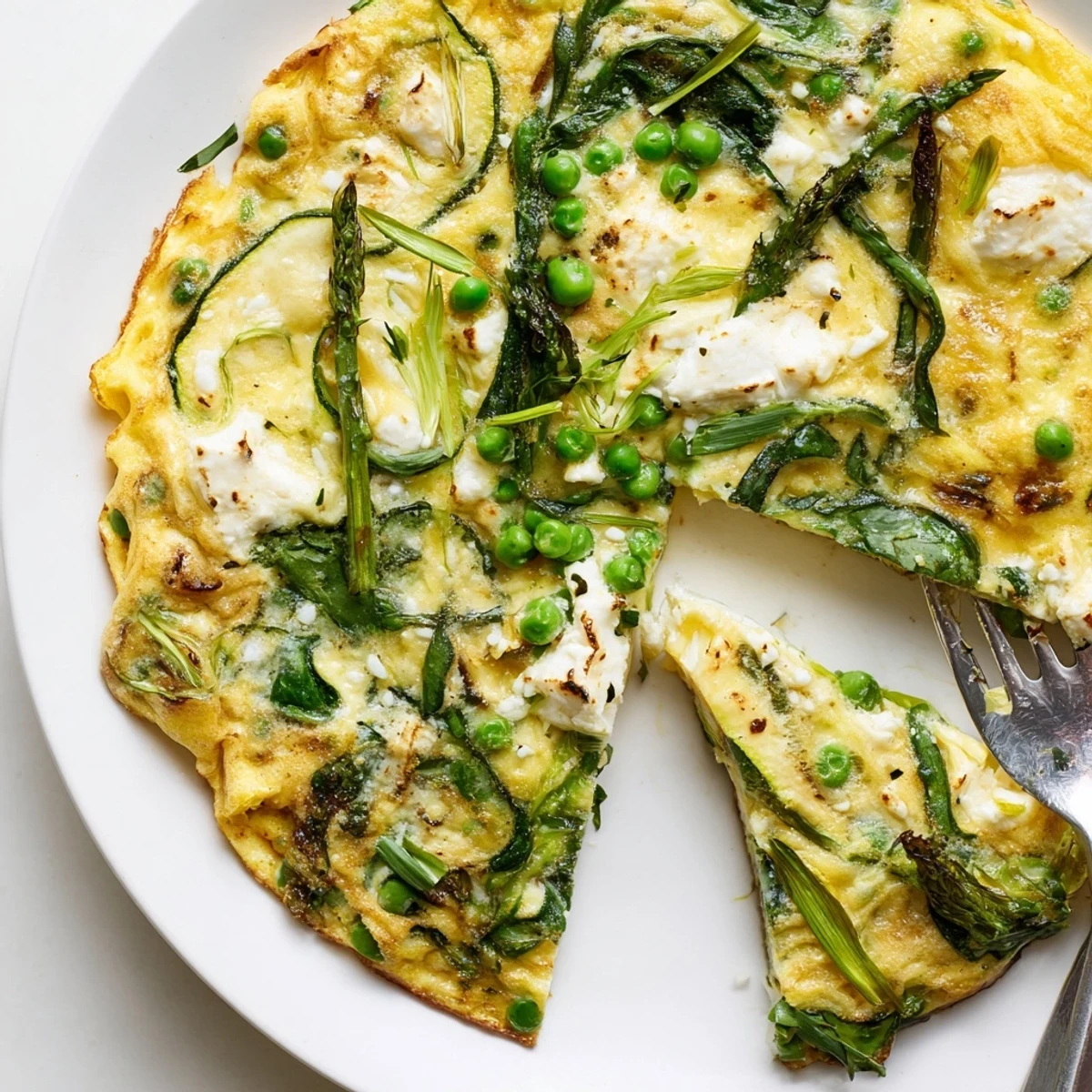
Save This frittata is proof that the simplest meals, made with fresh ingredients and a little patience, are the ones people remember most. Make it once and it will become part of your regular rotation without even trying.
Recipe FAQs
- → How do I avoid a soggy frittata?
-
Sauté vegetables until they release most of their moisture and begin to brown, especially asparagus and zucchini. Wilt spinach separately if very wet, and drain thawed peas. Reducing excess liquid before adding the eggs keeps the custard from becoming watery.
- → What skillet size and oven temperature work best?
-
Use a 10–12 inch ovenproof skillet for 4 servings and preheat the oven to 375°F (190°C). This size gives a good depth for an even set without overbaking the edges.
- → How can I tell when it's done?
-
The center should be set and no longer jiggly; edges will be slightly puffed and lightly golden. A toothpick inserted in the center should come out clean or with a few moist crumbs, not wet custard.
- → Can I substitute the goat cheese?
-
Yes. Feta offers a similar tang and crumbly texture; ricotta gives a milder creaminess. For dairy-free options, use plant-based crumbles or omit the cheese and add a sprinkle of nutritional yeast for umami.
- → Can this be made ahead and reheated?
-
Yes. Bake, cool to room temperature, then refrigerate up to 2 days. Reheat gently in a low oven (300–325°F / 150–160°C) until warmed through, or serve chilled at room temperature for easy transport.
- → Any tips for flavor variations?
-
Add fresh herbs such as chives, parsley or dill before or after baking, stir in a pinch of lemon zest for brightness, or swap in seasonal vegetables like roasted red peppers or mushrooms to change the profile.