
 Save
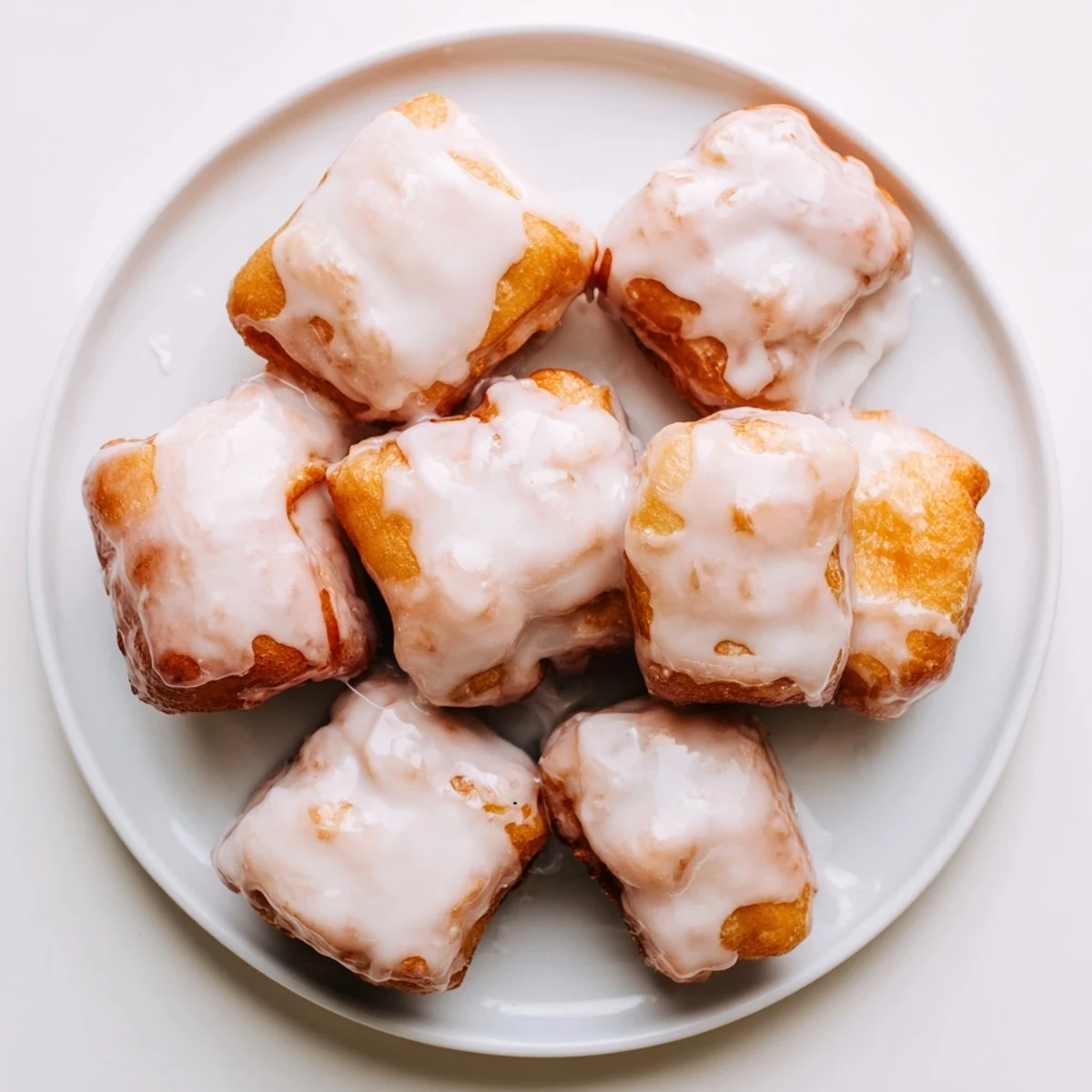
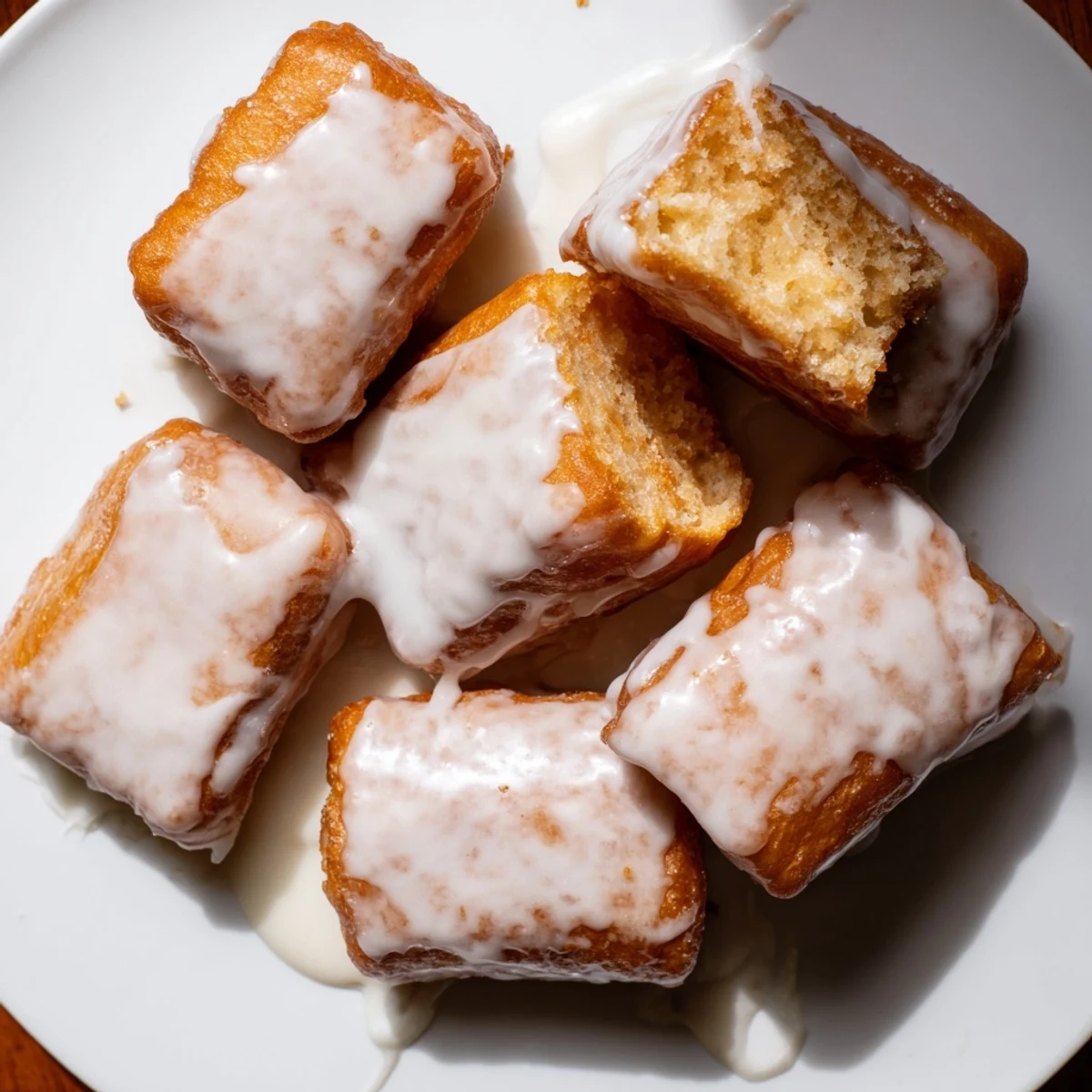
Save These delicate beignet squares feature a light, airy interior achieved through buttermilk enrichment and proper rising time. The dough develops structure while remaining tender, creating that signature pillowy texture New Orleans treats are known for.
Frying at precisely 350°F ensures even cooking and maximum puff, while the warm vanilla glaze seeps into the surface creating that perfect crackly finish. Best enjoyed fresh and warm with coffee or café au lait.
The kitchen counter was covered in a light dusting of flour, powdered sugar streaked across my arms like I'd been fingerprinted at a pastry crime scene. My roommate walked in, took one look at the paper bags stacked against the backsplash, and asked if I'd robbed a bakery in New Orleans. Sometimes you just need to recreate a memory that's stuck with you since that trip to the French Quarter, even if it means your apartment smells like a carnival for three days straight.
I made these for my dad's birthday breakfast last year, and he sat at the counter with coffee and a plate of warm beignets, quietly working through six squares before saying anything. Finally he looked up with powdered sugar all over his chin and told me this was better than the ones we'd had in New Orleans together fifteen years ago. Some compliments just stick with you.
Ingredients
- All-purpose flour: The protein structure here is everything, so dont be tempted to swap in bread flour which makes them too chewy
- Active dry yeast: Make sure your water or milk is warm, not hot, or youll kill the yeast before it even gets started
- Granulated sugar: This feeds the yeast and creates that beautiful golden color during frying
- Kosher salt: Balances the sweetness and enhances all the flavors without making them taste salty
- Buttermilk: The acid here tenderizes the dough and creates that signature tang that cuts through the glaze
- Whole milk: Adds richness and helps create that tender crumb structure
- Eggs: Room temperature eggs incorporate better and help the dough hold together during frying
- Unsalted butter: Melted and cooled so it doesnt scramble your eggs when you mix everything together
- Vegetable oil: You need something neutral with a high smoke point for consistent frying
- Powdered sugar: Sifting this first prevents lumpy glaze that looks like cottage cheese on your beautiful beignets
- Whole milk: Start with less and add more to get your glaze to the perfect dipping consistency
- Pure vanilla extract: Dont skimp here, the real stuff makes all the difference in the glaze
Instructions
- Mix the dry foundation:
- Whisk together your flour, yeast, sugar, and salt in a large bowl until everything is evenly distributed, making sure the yeast gets spread throughout
- Combine the wet mixture:
- In a separate bowl, whisk the buttermilk, milk, eggs, and melted butter until the mixture is smooth and homogeneous
- Bring it together:
- Create a well in the center of your dry ingredients and pour in the wet mixture, stirring until a shaggy, sticky dough forms
- Develop the gluten:
- Knead on a floured surface for 6 to 8 minutes until the dough transforms from sticky to smooth and elastic, feeling alive under your hands
- Let it rise:
- Place in an oiled bowl, cover, and let rise in a warm spot for 60 to 75 minutes until the dough has doubled in size
- Roll it out:
- Punch down gently and roll to about ½ inch thickness, keeping your surface well floured to prevent sticking
- Cut the squares:
- Use a sharp knife or pastry cutter to cut 2 inch squares, pressing straight down without dragging to keep edges clean
- Second rise:
- Arrange on parchment, cover loosely, and let rest for 20 minutes while you heat your oil to 350 degrees
- Fry to golden:
- Cook in batches for 1 to 2 minutes per side until puffed and deeply golden, then drain on paper towels
- Make the glaze:
- Whisk powdered sugar, milk, and vanilla until completely smooth, adding more milk if needed for a coating consistency
- Glaze immediately:
- Dip each warm beignet into the glaze, let excess drip off, and set on a rack until the glaze firms up slightly
 Save
Save My niece helped me make these last weekend and immediately declared herself the official beignet glazer, which meant about half the squares never made it to the serving platter. Watching her stand on her step stool with powdered sugar in her eyebrows and vanilla glaze up to her elbows reminded me that some recipes are really just an excuse to make memories together.
Getting The Rise Right
Find the warmest spot in your kitchen, maybe near a sunny window or on top of a running dryer, to help your dough rise properly. If your house runs cool, you can create a proofing box by microwaving a cup of water for 2 minutes, then placing your dough inside with the steaming water and closing the door.
Frying Like A Pro
Use a clip on thermometer to maintain that 350 degree sweet spot, and never crowd the pot or your oil temperature will plummet. I've learned the hard way that patience here pays off, because rushing leads to raw dough inside and burnt outside.
Perfecting That Glaze
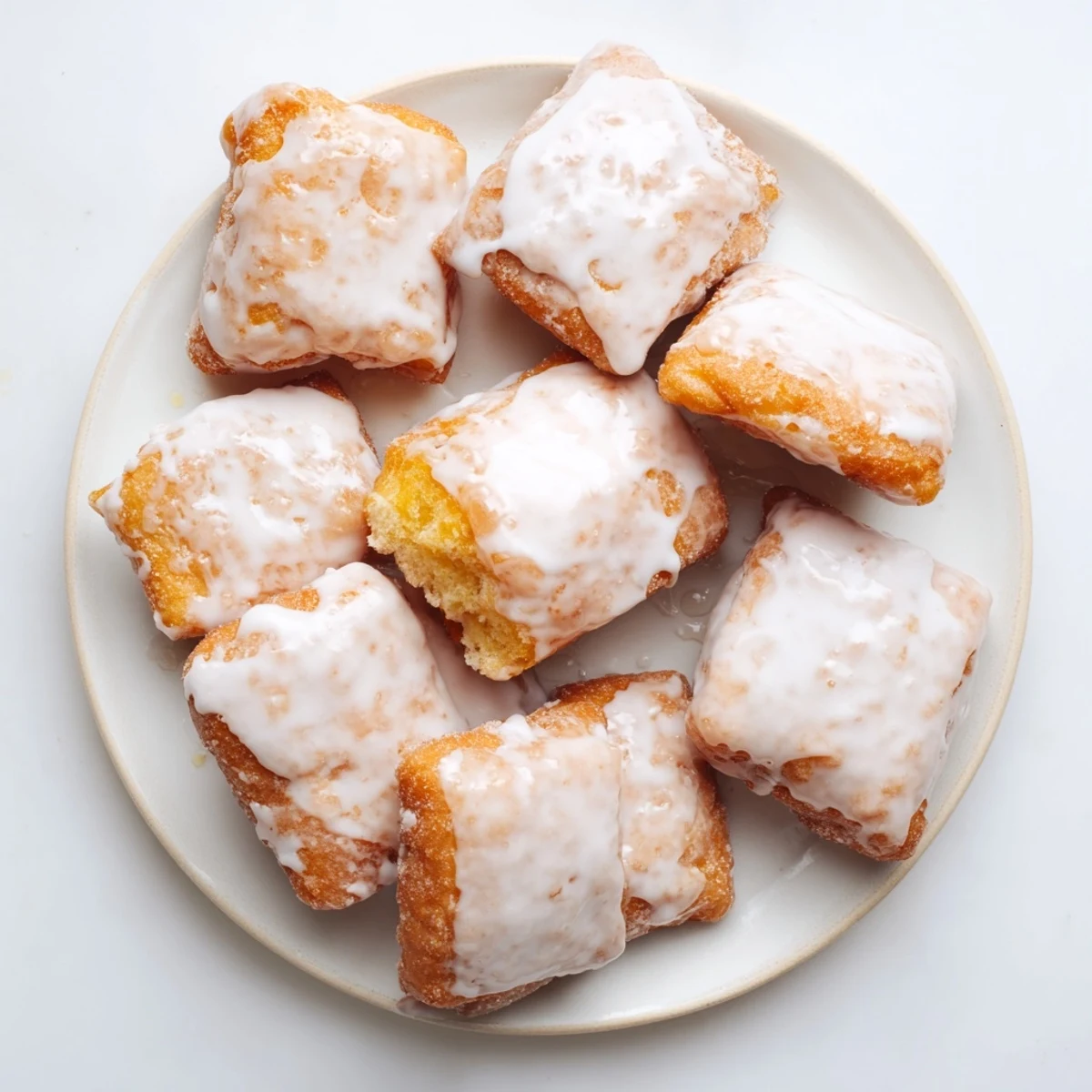
The glaze consistency should be thick enough to coat but thin enough to drip off slightly. If it's too thick, your beignets will look frosted rather than glazed, but too thin and it will run right off. Work quickly and glaze while they're still warm so it sets into that beautiful crackly finish.
- Set up your cooling rack over a baking sheet to catch drips and save your countertops
- Have your glaze made before you start frying so everything is ready when the beignets are hot
- If the glaze starts to harden while you're working, microwave it for 10 seconds to loosen it back up
 Save
Save There's something magical about standing over a pot of bubbling oil, watching raw dough transform into golden puffed pillows of happiness. These beignets have become my go to for bringing people together, one messy, delicious square at a time.
Recipe FAQs
- → What makes buttermilk beignets different from traditional ones?
-
Buttermilk adds subtle tanginess and creates a more tender crumb due to its acidity reacting with flour proteins. This results in lighter, fluffier squares with slightly more depth of flavor than classic versions made with regular milk.
- → How do I know when the oil reaches the right temperature?
-
Use a kitchen thermometer for accuracy, or test by dropping a small piece of dough—it should sizzle immediately and rise to the surface within 2-3 seconds. If it browns too quickly, reduce heat; if no bubbles form, increase temperature slightly.
- → Can I prepare the dough ahead of time?
-
Yes, prepare dough through the first rise, then refrigerate overnight for deeper flavor development. Bring to room temperature before rolling and cutting. The cold dough may need slightly longer to warm up before frying.
- → Why must beignets be glazed while warm?
-
Warm beignets absorb the glaze better, creating that perfect penetrating sweetness. The glaze sets into a thin, crackly coating as it cools, rather than sitting on top as a thick layer. Cold pastries won't absorb the coating effectively.
- → What's the best way to achieve consistent square shapes?
-
Roll dough to uniform ½-inch thickness and use a ruler or straight edge as your guide. A sharp pizza cutter or bench scraper creates cleaner edges than a knife. Avoid twisting when cutting—press straight down for tidy corners.