
 Save
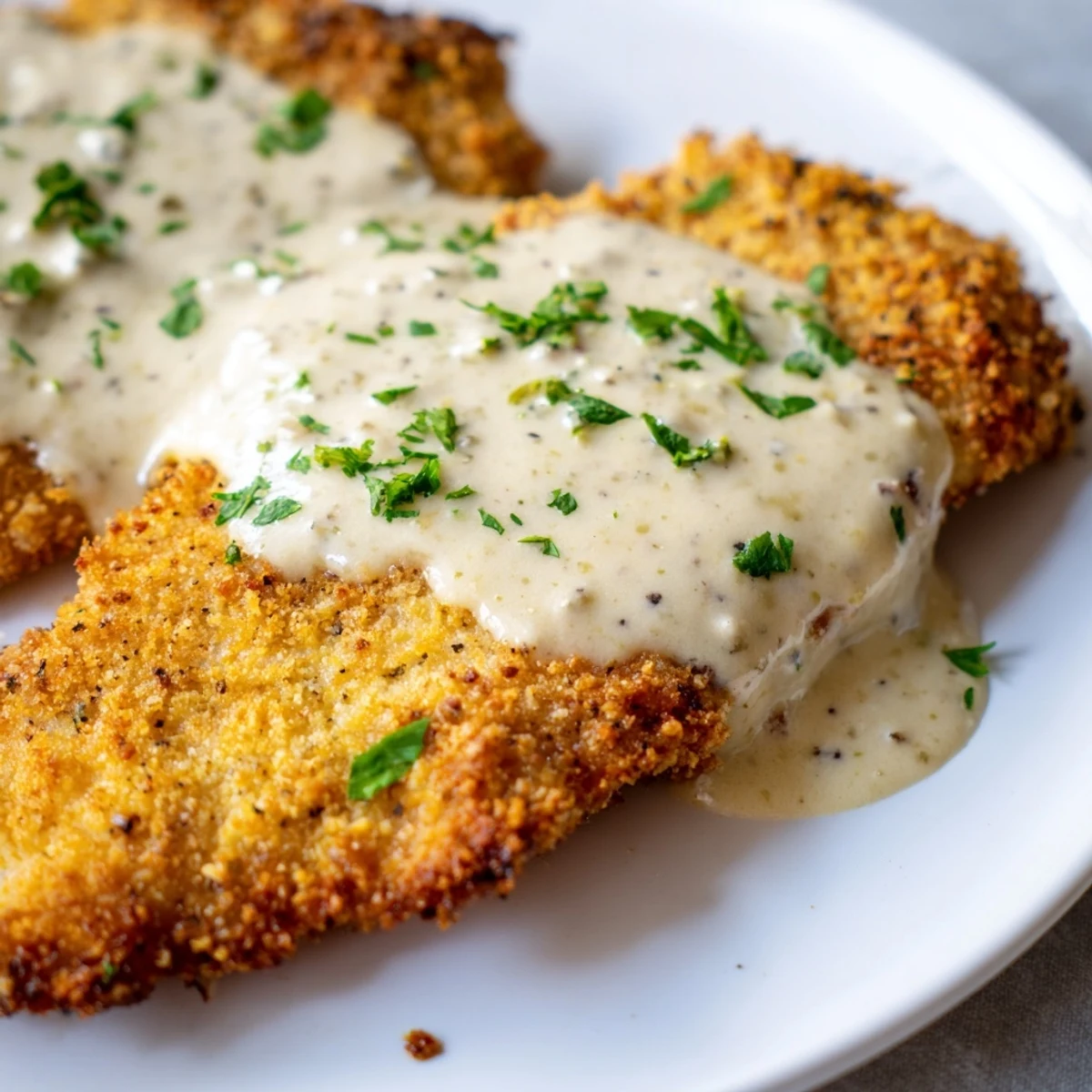
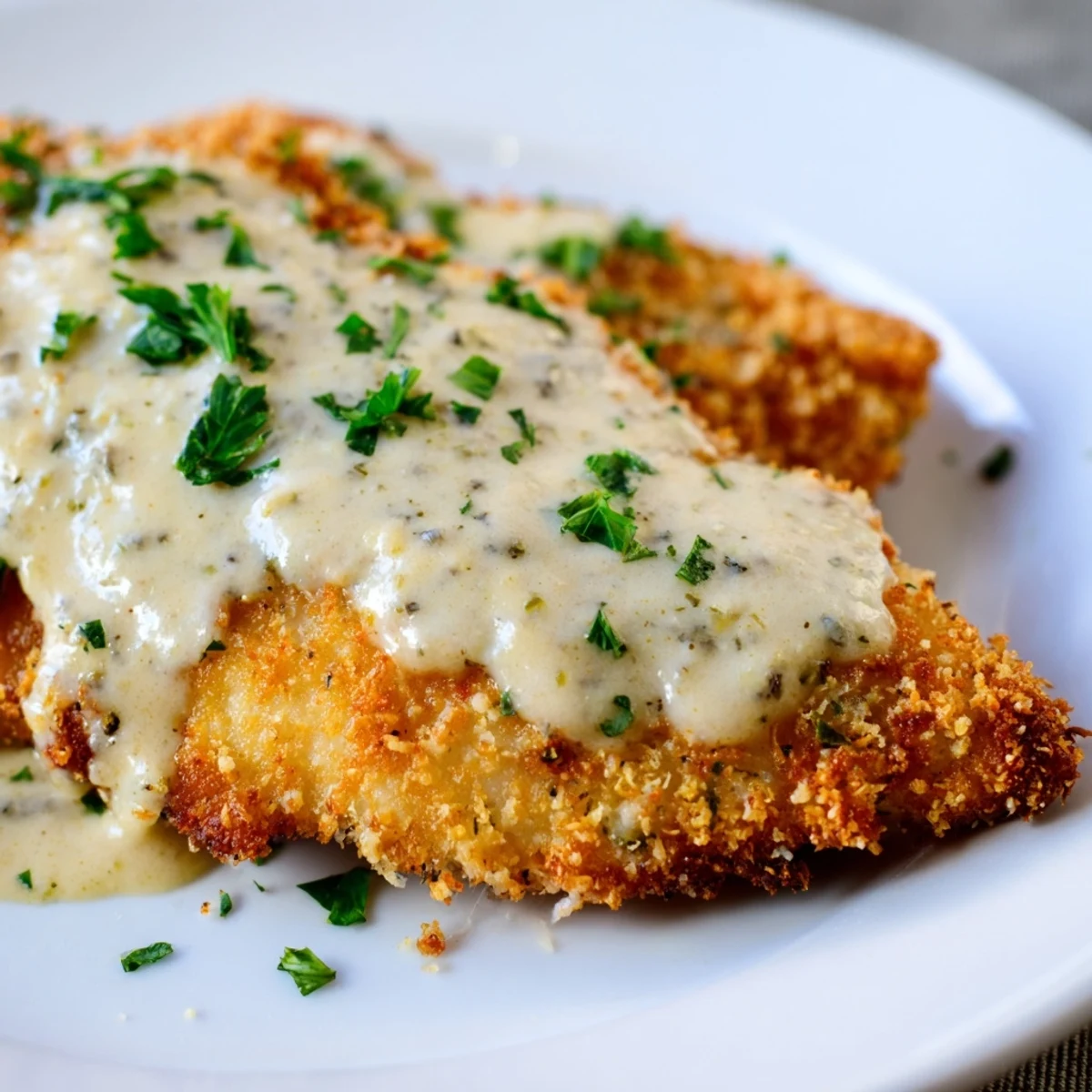
Save This dish delivers perfectly crispy, golden chicken breasts with a satisfying crunch, thanks to a panko-Parmesan coating seared then baked to perfection. The real star is the silky smooth cream sauce infused with garlic, Dijon mustard, and savory Parmesan that brings everything together. Each bite offers that irresistible contrast between the crispy exterior and tender, juicy chicken within. The sauce elevates the dish from simple comfort food to something special, perfect for weeknight dinners or casual entertaining when you want something impressive but straightforward.
The sound of chicken hitting hot oil on a Tuesday evening is oddly therapeutic, a sizzle that drowns out whatever chaos the day threw at you. I started making this crispy chicken with creamy sauce during a particularly rainy stretch last autumn when comfort food felt less like a craving and more like a necessity. The crunch of that Parmesan laced crust paired with a sauce so silky it practically melts into every crevice changed weeknight dinners forever in my house. It is the kind of meal that makes everyone linger at the table just a little longer.
My neighbor Dave knocked on my door one evening asking if I had any butter to borrow, and the aroma drifting from my kitchen distracted him so thoroughly he forgot why he came over. I ended up inviting him in and plating him a portion right there at the counter, no ceremony, just a fork and a cloth napkin. He sat on my kitchen stool eating in near silence, which I have learned is the highest compliment a home cook can receive.
Ingredients
- 4 boneless, skinless chicken breasts: Try to pick ones of roughly equal thickness so they cook evenly, or give the thick ends a gentle pounding.
- 1 cup all purpose flour: This first coat is the glue that holds everything together, so do not skip it.
- 2 large eggs: Beaten and ready in a shallow bowl, they bridge the flour and the crunchy coating.
- 1 cup panko breadcrumbs: Panko gives you that jagged, restaurant style crunch that regular breadcrumbs simply cannot match.
- 1/2 cup grated Parmesan cheese (for coating) plus 1/2 cup (for sauce): Finely grated works best in the breading, while a slightly coarser shred melts beautifully into the sauce.
- 1 tsp garlic powder and 1/2 tsp smoked paprika: Mixed into the breadcrumbs, these two seasonings quietly elevate the crust from good to where did you learn to cook like this.
- 1 tsp salt and 1/2 tsp black pepper: Divided between the flour and the breadcrumb mixture for layered seasoning.
- 4 tbsp olive oil: You need a generous amount for that initial sear since the chicken absorbs it quickly.
- 2 tbsp butter: The foundation of your sauce, giving it a rounded richness that olive oil alone would not achieve.
- 2 cloves garlic, minced: One minute in the butter is all it needs, any longer and it turns bitter.
- 1 cup heavy cream: This is what turns a thin pan sauce into something velvety and spoonable.
- 1/2 cup chicken broth: Balances the cream so the sauce is luxurious without feeling heavy.
- 1 tsp Dijon mustard: A quiet ingredient that sharpens everything and prevents the sauce from tasting flat.
- 2 tbsp chopped fresh parsley: Entirely optional but it adds a pop of color and a freshness that cuts through the richness.
Instructions
- Set up your breading station:
- Arrange three stations side by side: flour on a plate, beaten eggs in a wide bowl, and the panko mixed with Parmesan, garlic powder, smoked paprika, salt, and pepper on another plate. This assembly line keeps your hands from turning into breaded claws halfway through.
- Coat the chicken:
- Take each breast and press it into the flour, shaking off the excess, then dunk it through the egg, and finally press it firmly into the panko mixture on both sides. Really press the crumbs in with your palms so they grip the meat and do not fall off in the pan.
- Sear to golden perfection:
- Heat the olive oil in a large ovenproof skillet over medium high heat until it shimmers, then lay the chicken in carefully and let it cook undisturbed for two to three minutes per side until deeply golden. The crust should look almost too brown because it will lighten slightly in the oven.
- Finish in the oven:
- Transfer the whole skillet into an oven preheated to 200 degrees Celsius (400 degrees Fahrenheit) and bake for twelve to fifteen minutes until the internal temperature hits 74 degrees Celsius (165 degrees Fahrenheit). This ensures the chicken cooks through gently while keeping the crust intact.
- Build the creamy sauce:
- In a saucepan over medium heat, melt the butter and cook the minced garlic for about one minute until your kitchen smells incredible, then pour in the heavy cream, chicken broth, and Parmesan. Stir constantly as it simmers for three to four minutes until it coats the back of a spoon, then finish with Dijon mustard and season to taste.
- Bring it all together:
- Remove the chicken from the oven, spoon the warm sauce generously over each breast, and scatter with fresh parsley if you are using it. Serve immediately while the crust is still shatteringly crisp and the sauce is warm and flowing.
 Save
Save There is something quietly profound about watching someone close their eyes after the first bite of a meal you made with your own hands. That moment of stillness tells you everything you need to know about whether a recipe is worth keeping.
What To Serve Alongside
Mashed potatoes are the obvious choice here because they act like a sponge for that extra sauce pooling on the plate, but steamed green beans or a simple arugula salad with lemon also do wonders. The slight bitterness of greens cuts through the richness in a way that makes you want a second helping of chicken without feeling overwhelmed.
Making It A Little Lighter
Swapping heavy cream for half and half works if you simmer it a touch longer to reach the right consistency, though the sauce will be slightly less lush. I have also tried baking the breaded chicken on a wire rack instead of pan frying, and while it loses some of that aggressive crunch, it is still genuinely good for a weeknight effort.
Leftovers And Reheating
If you are lucky enough to have leftovers, store the chicken and sauce separately because nothing defeats a crispy crust faster than overnight immersion in cream. Reheat the chicken on a sheet pan in a low oven to bring back some of the crunch, then warm the sauce gently on the stove.
- A quick drizzle of water in the sauce while reheating prevents it from thickening into something closer to paste.
- Sliced cold leftover chicken on a sandwich the next day with whatever sauce remains is an unexpectedly excellent lunch.
- Always let the chicken rest for five minutes after it comes out of the oven before slicing so the juices redistribute properly.
 Save
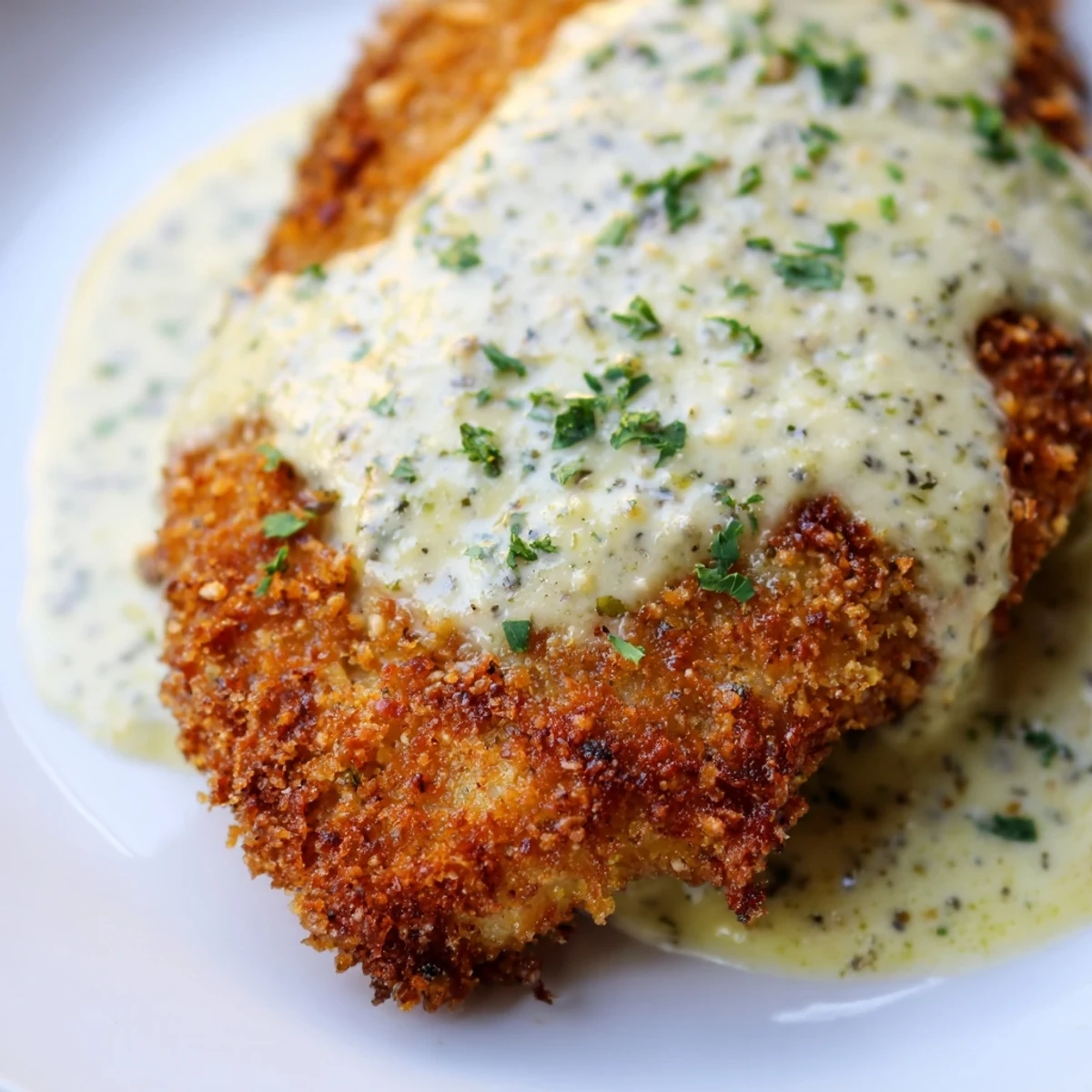
Save This is the recipe I reach for when I want dinner to feel like an event without actually requiring one. Keep the sauce warm, the chicken crispy, and seconds are guaranteed.
Recipe FAQs
- → How do I get the chicken really crispy?
-
Press the breadcrumb mixture firmly onto the chicken to ensure good adhesion. Sear in hot oil until golden before finishing in the oven—this initial high-heat sear creates that essential crispy crust that stays crunchy even after baking.
- → Can I make this ahead of time?
-
Bread the chicken up to 4 hours ahead and refrigerate. Make the sauce ahead and gently reheat, adding a splash of cream if it thickens too much. For best results, cook the chicken just before serving.
- → What sides work well with this?
-
Mashed potatoes are perfect for soaking up the extra sauce. Steamed broccoli, roasted asparagus, or green beans add fresh contrast. Pasta, rice, or crusty bread also work wonderfully to capture the velvety sauce.
- → How can I tell when the chicken is done?
-
Use a meat thermometer to check the internal temperature reaches 74°C (165°F). The juices should run clear when pierced, and the chicken should feel firm but springy when pressed. Cutting into the thickest piece should reveal opaque meat throughout.
- → Can I use chicken thighs instead of breasts?
-
Absolutely. Boneless skinless thighs work beautifully and tend to be more forgiving and juicy. Adjust cooking time slightly—thighs may need an extra 3-5 minutes in the oven depending on thickness.
- → How do I prevent the sauce from curdling?
-
Keep the heat at medium or lower once you add the cream. Avoid boiling vigorously. Stir constantly while simmering, and add the Parmesan gradually while whisking to ensure smooth incorporation.