
 Save
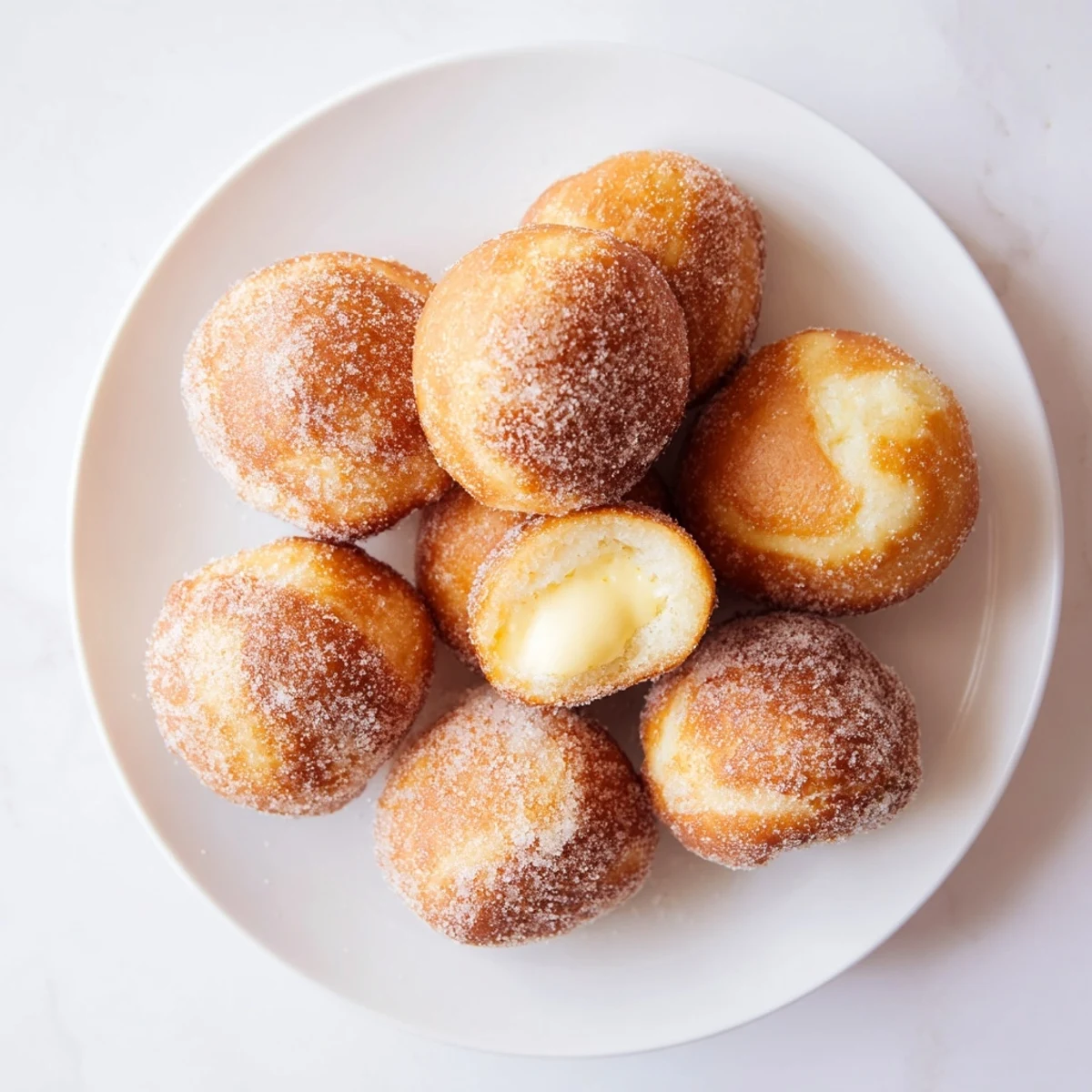
Save These classic Italian bomboloni feature incredibly soft, pillowy dough that's fried until golden and filled with a silky vanilla pastry cream. The entire surface gets coated in sparkling granulated sugar for that signature crunch. Best enjoyed fresh while still slightly warm, when the contrast between the crisp sugar coating, tender fried exterior, and cool creamy center is at its peak.
That Sunday morning when I walked past the Italian bakery on Third Street, the smell of fresh frying dough stopped me dead in my tracks. I bought three bomboloni and ate them walking home, sugar coating my chin, warm vanilla cream spilling onto my fingers. By the time I reached my apartment, I knew I had to recreate that magic in my own kitchen.
My first attempt at filling these donuts ended with pastry cream everywhere except inside the dough. I learned quickly that patience with the chilling step makes all the difference between a beautifully filled bomboloni and a kitchen disaster. Now I make them every time I need to impress someone who thinks they do not like donuts.
Ingredients
- Flour: All purpose flour gives the perfect structure, creating that light and airy texture we want
- Active dry yeast: Make sure your milk is warm but not hot, or you will kill the yeast before it can work its magic
- Whole milk: Do not substitute with low fat milk here, we need that richness for both the dough and the cream filling
- Eggs: Room temperature eggs incorporate better into the dough and create a more stable pastry cream
- Unsalted butter: Softened butter disperses evenly through the dough, adding flavor and tenderness
- Vanilla extract: Use real vanilla extract, not imitation, for that warm aromatic flavor
- Vegetable oil: A neutral oil with a high smoke point is essential for achieving that perfect golden brown exterior
- Cornstarch: This is what transforms our milk and egg mixture into a thick, luscious pastry cream
Instructions
- Mix the dough:
- Combine flour, sugar, yeast, and salt in your stand mixer, then add warm milk, eggs, vanilla, and softened butter until a soft dough forms
- Knead until smooth:
- Knead for 8 to 10 minutes until the dough is smooth and elastic, then place it in a greased bowl to rise until doubled
- Shape the donuts:
- Punch down the risen dough and roll it to three quarter inch thickness, then cut rounds with a three inch cutter and let them rise again
- Make the pastry cream:
- Heat milk until steaming, whisk egg yolks with sugar and cornstarch until pale, then slowly combine and cook until thickened
- Chill the cream:
- Stir in vanilla and butter, cover with plastic wrap touching the surface, and chill completely before filling
- Fry to golden perfection:
- Heat oil to 350 degrees Fahrenheit and fry donuts two to three minutes per side until golden brown
- Sugar coat while warm:
- Roll the warm donuts in granulated sugar immediately after draining on paper towels
- Fill generously:
- Poke a hole in the side of each cooled donut and pipe chilled pastry cream inside until they feel heavy
 Save
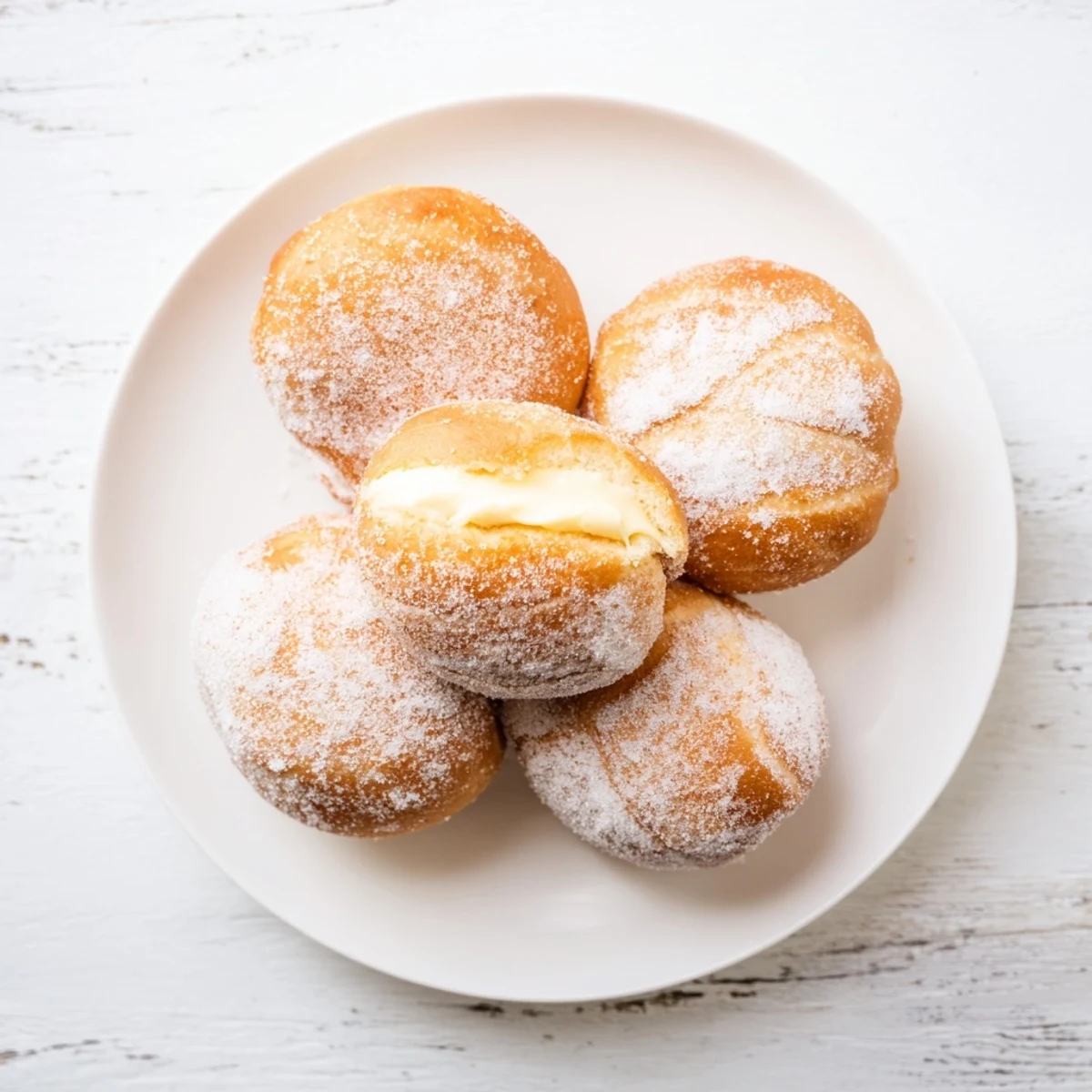
Save My grandmother always said that desserts made with patience taste sweeter, and these bomboloni proved her right. Watching my family bite into that first batch, seeing their eyes light up at the surprise of vanilla cream, made every minute of rising time worth it.
Getting The Rise Right
I used to rush the rising process until I realized that good things literally come to those who wait. Find a warm, draft free spot and let the dough do its work, resisting the urge to check on it every five minutes. The texture difference between properly risen dough and rushed dough is night and day.
Mastering Pastry Cream
The secret to silky smooth pastry cream is constant whisking and patience over medium heat. Walk away for even thirty seconds and you will end up with scrambled eggs in your milk. When in doubt, strain the cream through a fine mesh sieve to catch any accidental lumps before chilling.
Frying Like A Pro
Invest in a good kitchen thermometer because guessing oil temperature is a recipe for disaster. I keep a small bowl of sugar near the fry station so I can coat each donut immediately, which helps the sugar adhere perfectly to the warm surface.
- Never overcrowd the fryer or the oil temperature will drop dramatically
- Let donuts cool slightly before filling or the cream will melt and run out
- Eat them the same day for that legendary fresh texture
 Save
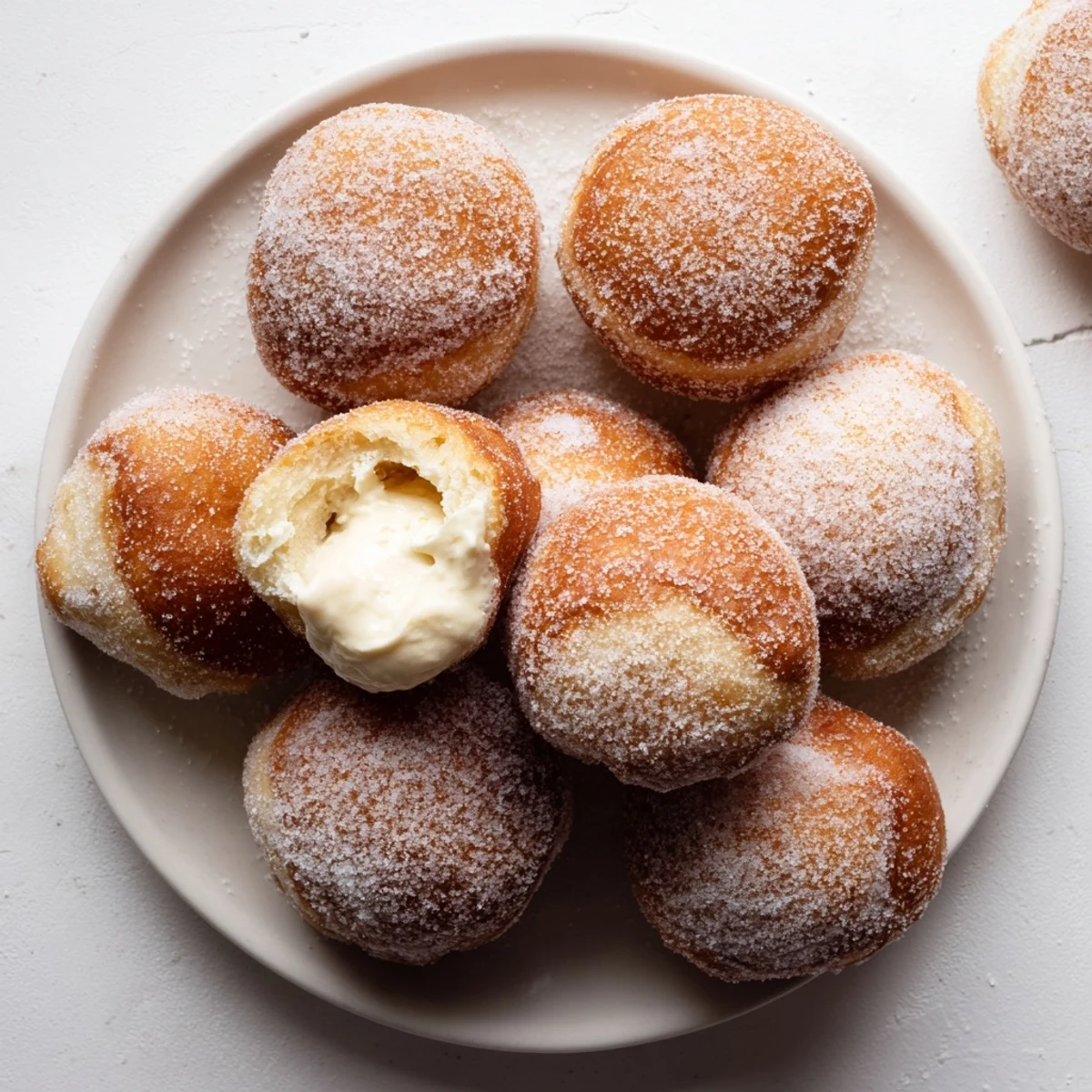
Save There is something almost magical about biting into a freshly made bomboloni, that contrast of crisp sugar and soft dough giving way to cool, fragrant cream. These Italian donuts have become my go to comfort food, the kind of treat that makes even an ordinary Tuesday morning feel like a celebration.
Recipe FAQs
- → What makes bomboloni different from regular donuts?
-
Bomboloni are Italian-style donuts that are filled with cream rather than having a hole in the center. The dough is softer and more bread-like than typical cake donuts, creating a pillowy texture that pairs perfectly with the rich pastry cream filling inside.
- → How long do these stay fresh?
-
These are best enjoyed the same day they're made, ideally within 4-6 hours of frying. The sugar coating can start to dissolve and the dough can become less crisp as they sit. You can store them in an airtight container at room temperature for up to 24 hours, but they won't have the same fresh texture.
- → Can I make the dough ahead of time?
-
Yes, you can prepare the dough and let it complete its first rise in the refrigerator overnight. This actually develops more flavor. Let the dough come to room temperature before shaping and proceeding with the second rise. The pastry cream can also be made up to 2 days in advance and kept chilled.
- → What temperature should the oil be for frying?
-
Maintain your oil at 350°F (175°C) for best results. If the oil is too cool, the donuts will absorb too much oil and become greasy. If it's too hot, they'll brown outside before cooking through. Use a kitchen thermometer for accuracy and adjust your heat as needed between batches.
- → Can I bake these instead of frying?
-
While frying is traditional and gives the best texture, you can bake them at 375°F (190°C) for 12-15 minutes. Note that baked versions won't have the same crisp exterior or characteristic flavor. Brush with melted butter before rolling in sugar to help it adhere better.
- → How do I know when the pastry cream is thick enough?
-
The cream is ready when it coats the back of a spoon and leaves a clear trail when you run your finger through it. It should be thick enough to hold its shape when piped but still smooth. Remember it will continue to thicken slightly as it cools in the refrigerator.