
 Save
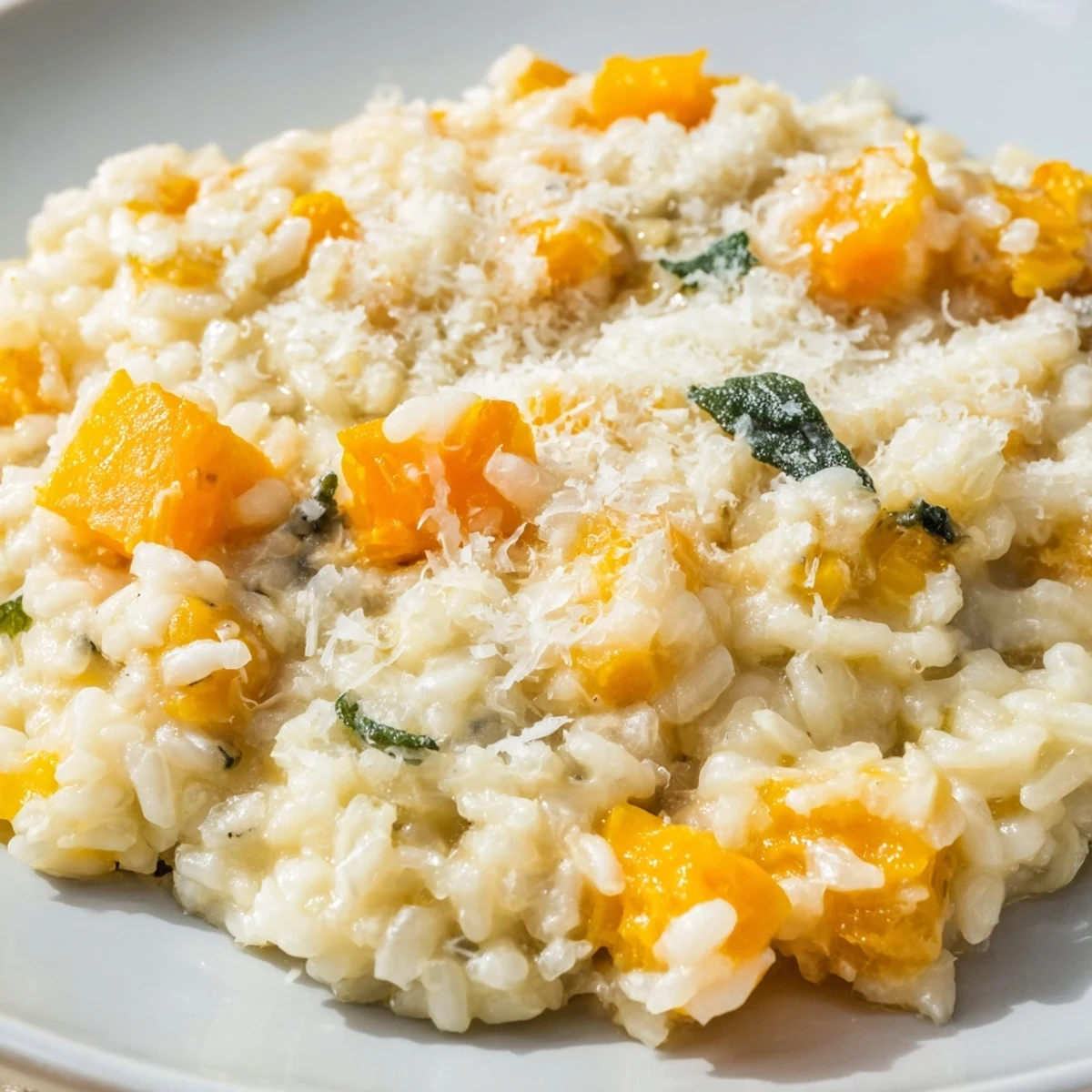
Save This dish blends tender winter squash and fresh sage with creamy grains and Parmesan cheese for a rich, comforting Italian-style meal. The winter squash softens gently while simmering with Arborio rice and aromatic broth, absorbing flavors with every stirring. White wine adds subtle acidity, balancing the richness of butter and Parmesan. Seasoned with salt and pepper, it’s ideal for a cozy, flavorful dinner that highlights seasonal produce and traditional methods.
There's something almost meditative about making risotto on a gray afternoon, the kind where you need comfort more than speed. I discovered this version one November when I had a beautiful butternut squash sitting on my counter and an urge to turn it into something warm and creamy, not just roasted. The sage came almost as an afterthought, a handful I'd frozen in September, but it transformed everything into something that tasted like autumn in a bowl.
I made this for my sister one winter when she'd had a rough week, and I'll never forget how she closed her eyes after the first bite and just sat quietly for a moment. That's when I realized risotto isn't really about technique, it's about showing up and paying attention to something for thirty minutes while someone matters to you.
Ingredients
- Winter squash (2 cups diced): Butternut is silky, but acorn works too if that's what you have. Peel it raw or roast it first if the skin fights you.
- Arborio rice (1 1/2 cups): This short, starchy grain is what makes risotto creamy. Don't skip it for long-grain rice, or you'll lose the magic.
- Vegetable broth (4 cups, kept warm): Warm broth is crucial because it helps the rice cook evenly and release its starch. Cold broth will shock the rice and slow everything down.
- Dry white wine (1/2 cup): The acid brightens everything. Pinot Grigio or Sauvignon Blanc work perfectly and make the dish taste bigger than it is.
- Onion (1 small, finely chopped): This is your flavor foundation, so don't rush it. Let it turn soft and sweet before moving on.
- Garlic (2 cloves, minced): A whisper, not a shout. One minute is all it needs or it turns bitter.
- Fresh sage (2 tablespoons chopped): If you only have dried, use half the amount. Fresh sage smells like it tastes, deeply herbaceous and a little peppery.
- Unsalted butter (3 tablespoons, divided): Most goes in at the end to finish. It's what makes the final dish glossy and rich.
- Parmesan cheese (1/2 cup, freshly grated): Pre-grated won't melt the same way. Invest two minutes and grate it yourself.
- Heavy cream (2 tablespoons, optional): Honestly, I skip it most days. The risotto is creamy enough on its own if you stir it right.
- Salt and pepper: Taste as you go because you'll need more than you think once the cheese goes in.
Instructions
- Warm your broth gently:
- Pour the broth into a saucepan and let it simmer quietly on low heat. If it cools down as you cook, your risotto will stall. Think of it as a warm embrace waiting in the background.
- Build your foundation:
- Melt two tablespoons of butter in a large, heavy skillet over medium heat. When it foams, add the chopped onion and cook for about three minutes, stirring now and then, until it turns translucent and soft. You're not rushing this part—let the onion become sweet.
- Wake up the aromatics:
- Stir in the garlic and cook for just one minute. You'll smell it shift from raw to fragrant. This is your signal to add the diced squash before anything burns.
- Soften the squash:
- Add the squash pieces and stir occasionally for about five minutes. You're looking for the edges to start surrendering, not full tenderness. This is a long cook, and the squash will continue softening.
- Toast the rice:
- Pour in the Arborio rice and stir constantly for two minutes. You'll notice the grains starting to look slightly translucent at the edges, and the pan will smell nutty and toasted. This step matters more than most recipes admit—it develops flavor and changes the rice's texture completely.
- Deglaze with wine:
- Pour in the white wine and keep stirring until it's mostly absorbed, about two minutes. The wine evaporates and leaves behind acidity and depth that brightens everything that follows.
- Add the sage:
- Stir in the chopped sage now, while the pan is hot. The warmth releases its oils, and the fragrance will convince you this dish is already worth the wait.
- The patient stir:
- Begin adding the warm broth one ladle at a time, stirring frequently. Wait until each addition is mostly absorbed (you should still see the bottom of the pan when you drag your spoon through) before adding the next ladleful. This typically takes twenty to twenty-five minutes, and honestly, this is the meditative part—there's no rushing, just stirring and tasting occasionally.
- Know when it's done:
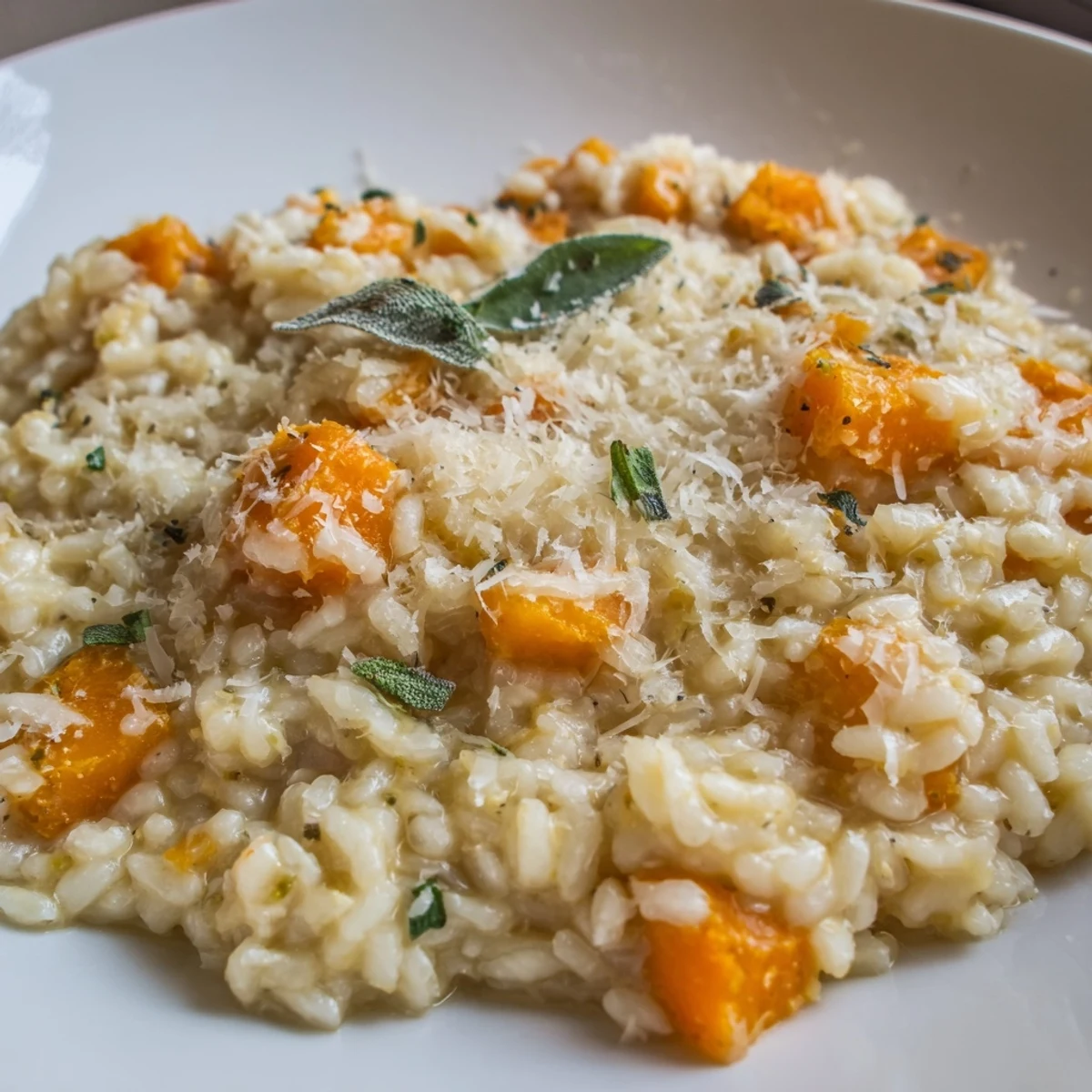
- The rice should be tender but still have a slight firmness when you bite it, and the mixture should flow like a slow wave across the plate, not sit rigid. The squash should be completely soft and almost indistinguishable from the rice.
- Finish and serve:
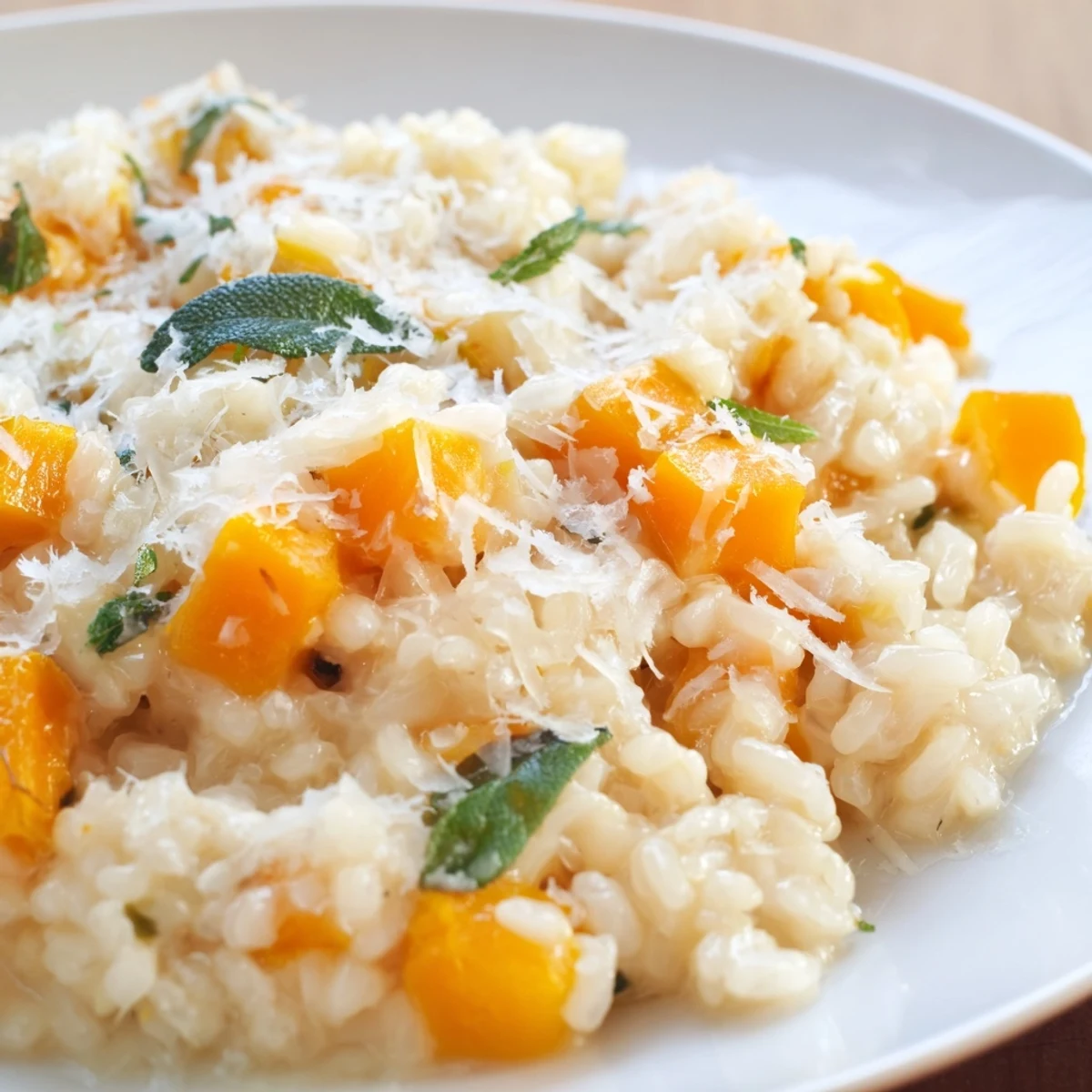
- Remove from heat and stir in the remaining tablespoon of butter, the Parmesan, and cream if you're using it. Season with salt and pepper to taste. Serve immediately in warmed bowls, topped with extra Parmesan and a few fresh sage leaves if you have them.
 Save
Save My grandmother made risotto the way some people make soup, without a recipe, tasting constantly and adjusting by feel. I finally understood what she meant the first time I made this version and stopped watching the clock, stopped worrying, and just let my hands and nose tell me when it was ready. Cooking becomes easier when you trust yourself.
Why Winter Squash Works Here
Butternut squash is naturally sweet, and that sweetness deepens as it cooks, which means it doesn't fight with the savory sage and Parmesan—it complements them. The flesh becomes so tender that it almost disappears into the risotto, creating creaminess without any cream at all. If you use acorn squash, it's slightly nuttier and less sweet, which is equally lovely, just a different mood.
The Sage Question
Sage is specific and strong, which means it's not for everyone, but I've yet to meet someone who tried this and didn't understand why it's here. The herb has a peppery, almost minty edge that cuts through the richness and keeps the dish from feeling heavy. If you're skeptical, start with less and taste as you go, but I'd encourage you to trust it.
Making It Your Own
Risotto is a framework, not a law. I've made this with roasted pumpkin when butternut wasn't available, and with brown butter for a deeper, nuttier finish. Some evenings I add crispy sage leaves on top or a drizzle of good olive oil. The core technique stays the same; everything else is negotiable.
- For a vegan version, use vegan butter, skip the cream, and replace the Parmesan with nutritional yeast or cashew cream for that same silky finish.
- Other winter squashes like kabocha or delicata work beautifully and each brings its own subtle flavor.
- Pair this with a crisp Pinot Grigio or Sauvignon Blanc, something you'd also drink while cooking.
 Save
Save There's a reason risotto has been cooked in Italian kitchens for centuries. It's not fancy or complicated, but it asks you to slow down and pay attention, and it rewards you with something warm that tastes like care. Make this when someone needs comfort, or when you need to remember that the best meals are the ones made with time and intention.
Recipe FAQs
- → What type of squash works best?
-
Butternut or acorn squash are ideal for their tender flesh and subtle sweetness, but kabocha or delicata also complement well.
- → Can I substitute Arborio rice?
-
Arborio rice is preferred for its creamy texture, but Carnaroli or Vialone Nano can be used as alternatives.
- → How does sage enhance the dish?
-
Sage adds an earthy, fragrant note that balances the richness of the squash and Parmesan perfectly.
- → Is white wine necessary?
-
White wine adds acidity and depth; if omitted, use extra broth and a splash of lemon for brightness.
- → Can this be made vegan?
-
Yes, replace butter and Parmesan with vegan alternatives and omit cream for a dairy-free version.
- → What texture should the grains have when done?
-
The grains should be creamy yet al dente, with a tender but slightly firm bite that holds well.