
 Save
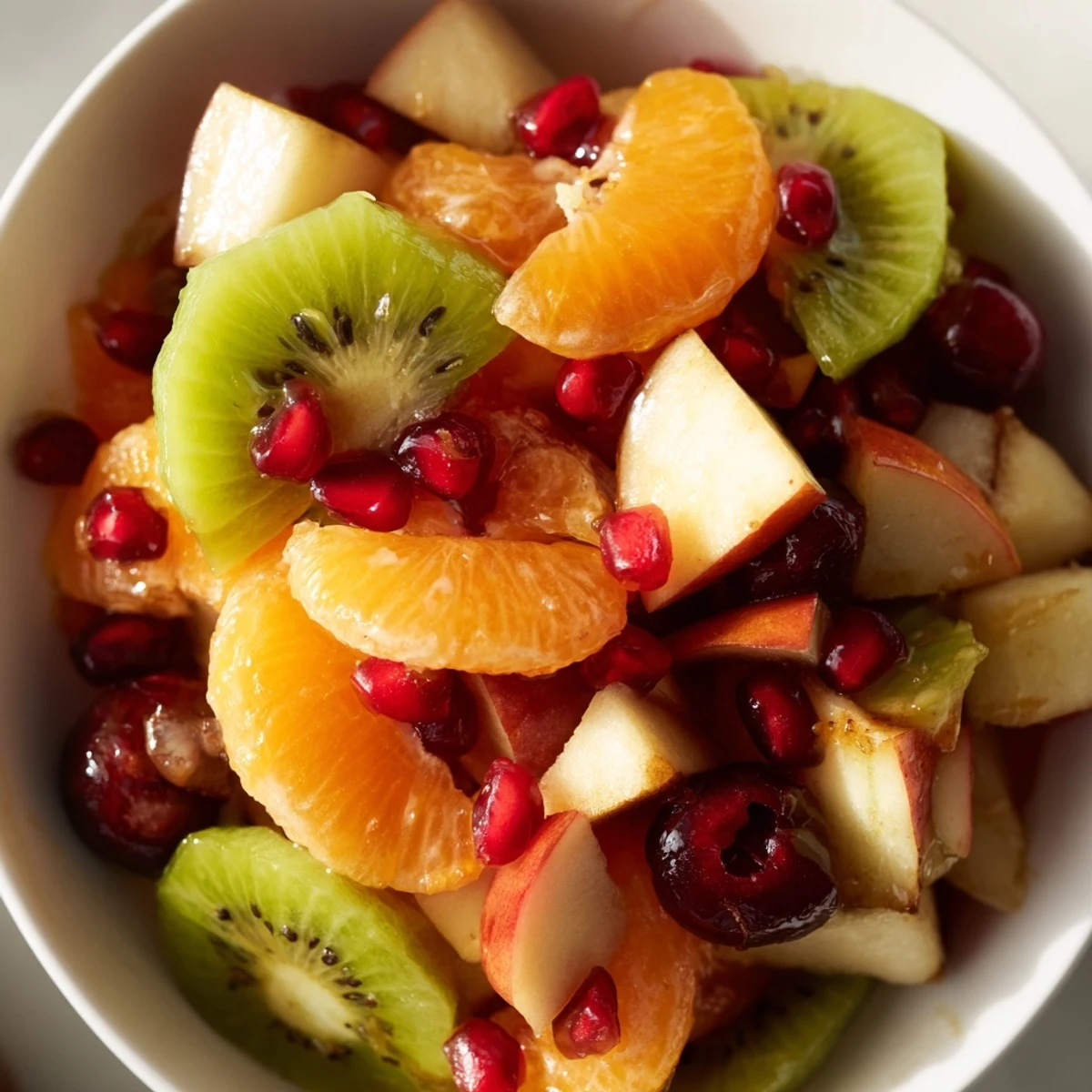
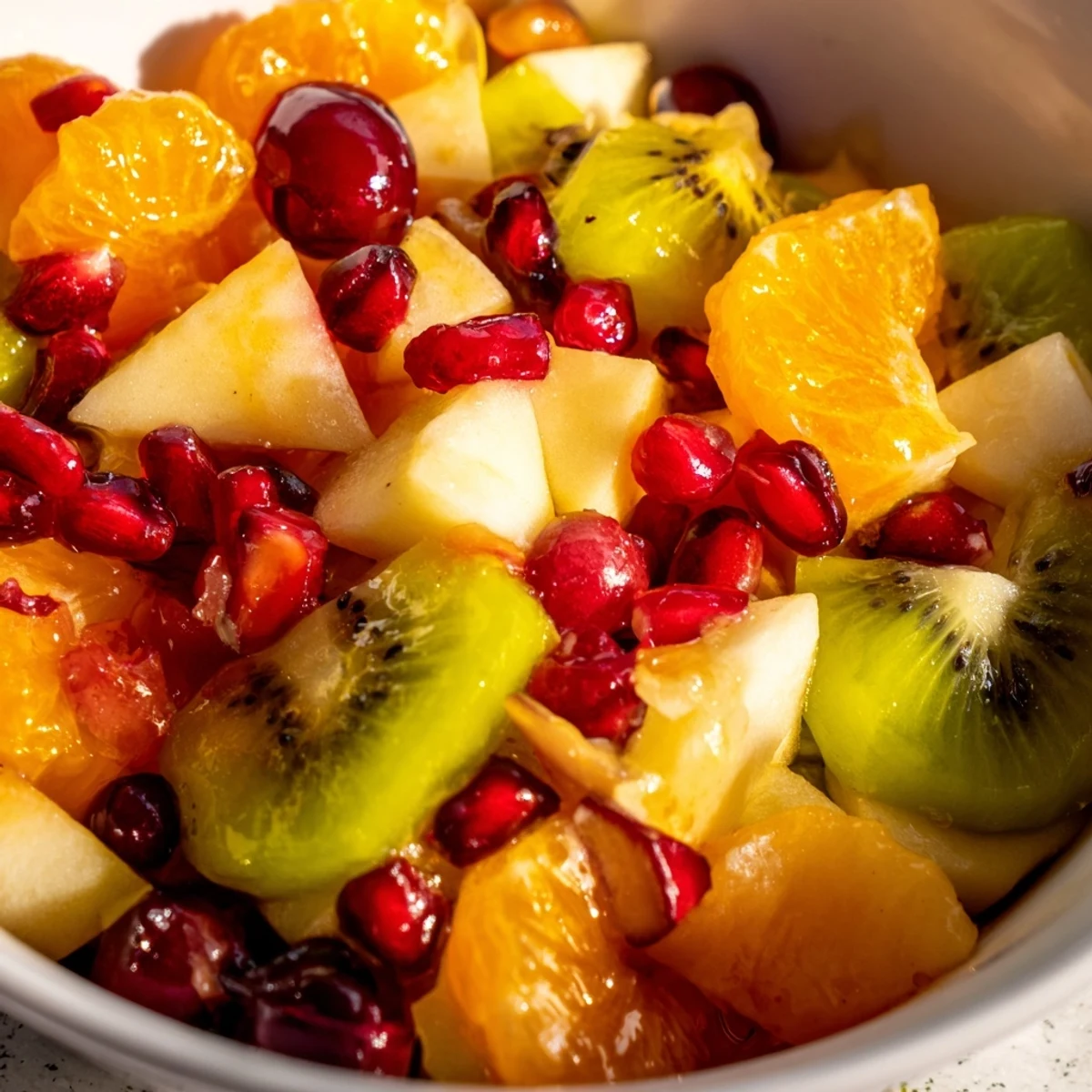
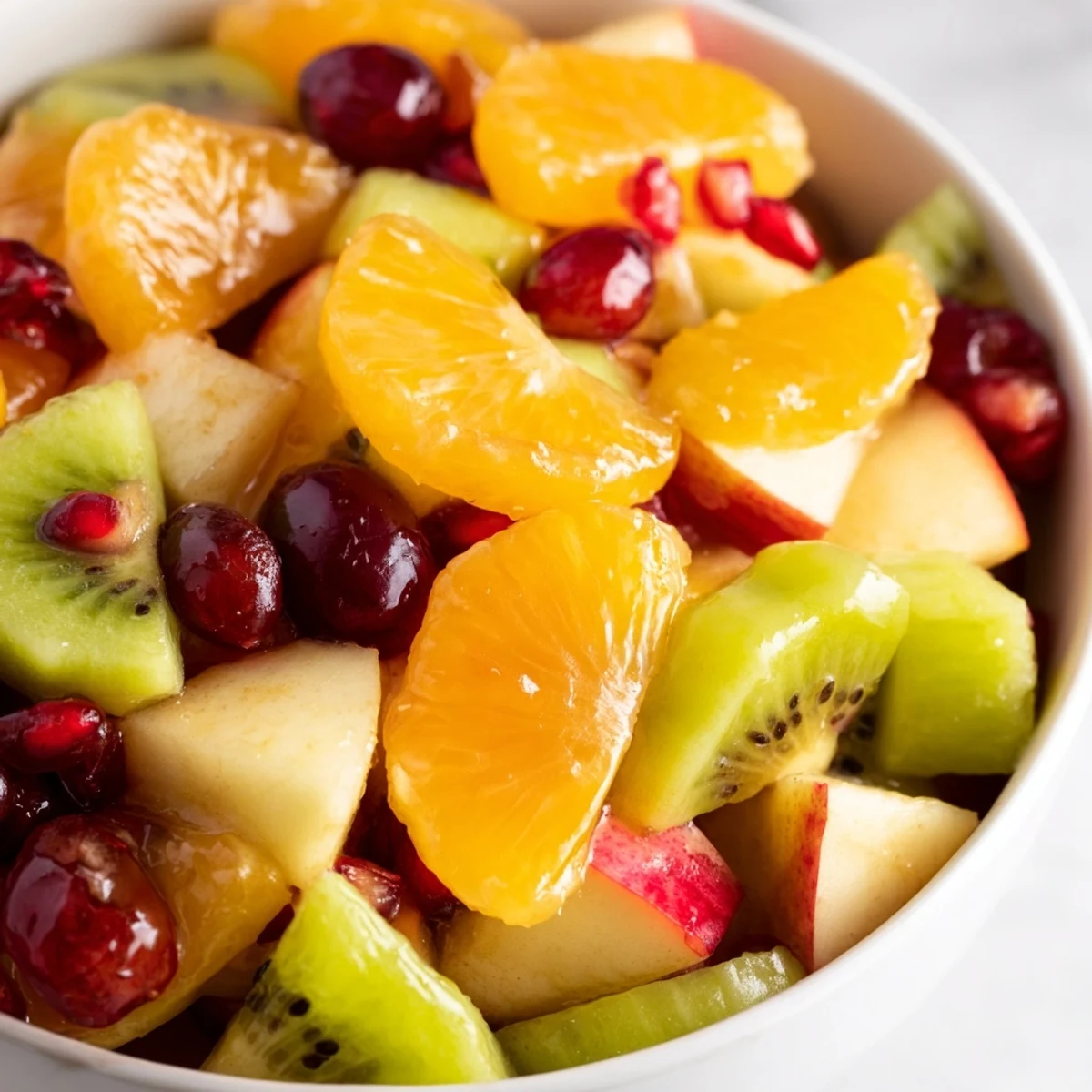
Save This vibrant salad features a colorful combination of winter fruits including oranges, kiwis, pomegranate, pear, apple, grapes, and dried cranberries. A zesty citrus dressing with fresh orange and lemon juice, honey or maple syrup, ginger, and mint brings bright, refreshing flavors that meld beautifully. Perfect served chilled or at room temperature, it's an easy, wholesome dish ideal for colder days or light meals. Optional nuts add crunchy texture, while substitutions allow seasonal variety.
There's something about winter that makes me crave brightness, so when the weather turned gray last January, I found myself standing in the produce section of my local market, drawn to the most vivid colors I could find. I loaded my basket with pomegranates, citrus, and kiwis—fruits that seemed to glow under those fluorescent lights. That evening, I tossed them together with a simple dressing, and my kitchen suddenly smelled like sunshine. It became my cure for the season's dullness.
I made this for a small brunch gathering last February, and I watched people's faces light up when they took their first bites—that moment when tartness and sweetness and texture all click together at once. One friend asked for the recipe, then another, and suddenly I realized this simple salad had become something I'd return to again and again. It became my go-to when I needed something that felt special but didn't demand hours of fussing.
Ingredients
- Oranges (2): Peeled and segmented—they anchor the dressing and provide natural sweetness without any added sugar.
- Kiwis (2): Peeled and sliced thin so they soften just slightly once dressed, giving a subtle tartness.
- Pomegranate (1 large): Arils only—these jewel-like seeds add pops of tartness and texture that make every bite interesting.
- Pear (1 large): Cored and diced while still slightly firm so it holds its shape through tossing.
- Apple (1): Cored and diced—choose a crisp variety so it doesn't turn mealy as it softens.
- Red grapes (1/2 cup): Halved to let the dressing coat them evenly and keep the texture varied.
- Dried cranberries (1/4 cup): Unsweetened if you can find them, as they add chewiness without doubling down on sweetness.
- Orange juice (from 1 orange): Fresh squeezed makes all the difference—it's the backbone of your dressing.
- Lemon juice (from 1 lemon): This cuts through richness and keeps everything tasting clean and bright.
- Honey or maple syrup (1 tablespoon): Maple syrup works beautifully if you're vegan, and it rounds out the citrus without overwhelming it.
- Fresh ginger (1/2 teaspoon grated): This is where the magic happens—a whisper of warmth that ties everything together.
- Fresh mint (1 tablespoon chopped, optional): Only add this if you have it fresh, as dried mint turns dusty and bitter in dressing.
Instructions
- Prep everything first:
- Gather all your fruit in a large mixing bowl as you cut it—this way nothing oxidizes or sits around losing texture. Work methodically through each fruit, setting each piece in the bowl as you go.
- Make your dressing:
- In a separate small bowl, whisk the fresh citrus juices together with honey, ginger, and mint if using. The dressing should taste bright and slightly sharp—taste it before you move forward.
- Bring them together:
- Pour the dressing over your fruit pile and gently toss everything so each piece gets a light coating without crushing the delicate fruits. The goal is even distribution, not aggressive mixing.
- Let it rest:
- Leave the salad alone for 5–10 minutes so the flavors start mingling and the fruit releases its own juices. This resting period is where the real transformation happens.
- Chill or serve fresh:
- You can serve this immediately at room temperature, or chill it for an hour or two if you prefer it cold. Either way, give it a gentle stir before serving.
 Save
Save I learned the value of this salad the hard way—after bringing an underdressed version to a holiday potluck, only to have people taste it politely and move on. The next time, I made the dressing bolder, gave everything time to meld, and watched the same dish disappear. It taught me that a simple recipe still needs confidence in its flavors.
The Fruit Matters More Than You Think
Winter fruit quality varies wildly depending on where you shop and when you shop, so choose your produce with intention. Pomegranates should feel heavy, with thin, papery skin—not hard and tight. Citrus should roll easily under your palm with a slight give. If you're cutting into fruit that feels cottony or tasteless, swap it for what looks vibrant instead of following the recipe rigidly.
Making the Dressing Your Own
The beauty of this dressing is how forgiving it is to small adjustments based on what you love. If you adore ginger, add more—but taste as you go. If citrus alone feels too sharp, a drop more honey smooths it. I've made this dressing with blood orange instead of regular orange, and it became something entirely different and stunning.
Variations and Serving Ideas
This salad bridges seasons beautifully—add toasted walnuts or pecans for crunch and earthiness, or toss in fresh coconut flakes for a tropical lean. Serve it alongside yogurt for brunch, or pair it with sharp cheeses and cured meats for an unexpected contrast. For a dessert moment, serve it slightly chilled in small bowls with a crisp cookie on the side.
- Toasted nuts add texture but always check for allergies before serving to others.
- You can substitute any winter fruit—persimmons, pomelo, and blood oranges all work beautifully in place of what's listed.
- Make the dressing up to 24 hours ahead and store it covered in the refrigerator, then toss with fruit just before serving.
 Save
Save This salad has become my winter ritual, the thing I return to when I need a moment of brightness in the kitchen and something beautiful on the table. It's simple enough to make on a busy Tuesday, but celebratory enough for guests.
Recipe FAQs
- → What fruits are included in the winter fruit salad?
-
The salad combines oranges, kiwis, pomegranate arils, pear, apple, red grapes, and dried cranberries for a fresh and colorful mix.
- → How is the citrus dressing prepared?
-
The dressing blends freshly squeezed orange and lemon juice with honey or maple syrup, grated ginger, and optional chopped mint for a bright and zesty finish.
- → Can I add nuts to the salad?
-
Yes, toasted chopped walnuts or pecans can be sprinkled on top to add a crunchy texture, keeping in mind any nut allergies.
- → How long should the salad rest before serving?
-
Letting the salad rest for 5 to 10 minutes allows the flavors to blend harmoniously before serving chilled or at room temperature.
- → Are there suitable substitutions for the fruits used?
-
Seasonal fruits like persimmons, mandarins, or pineapple can be used as alternatives based on availability and preference.
- → Is this dish suitable for special diets?
-
The salad is vegetarian, gluten-free, and dairy-free. Using maple syrup instead of honey makes it vegan-friendly.