
 Save
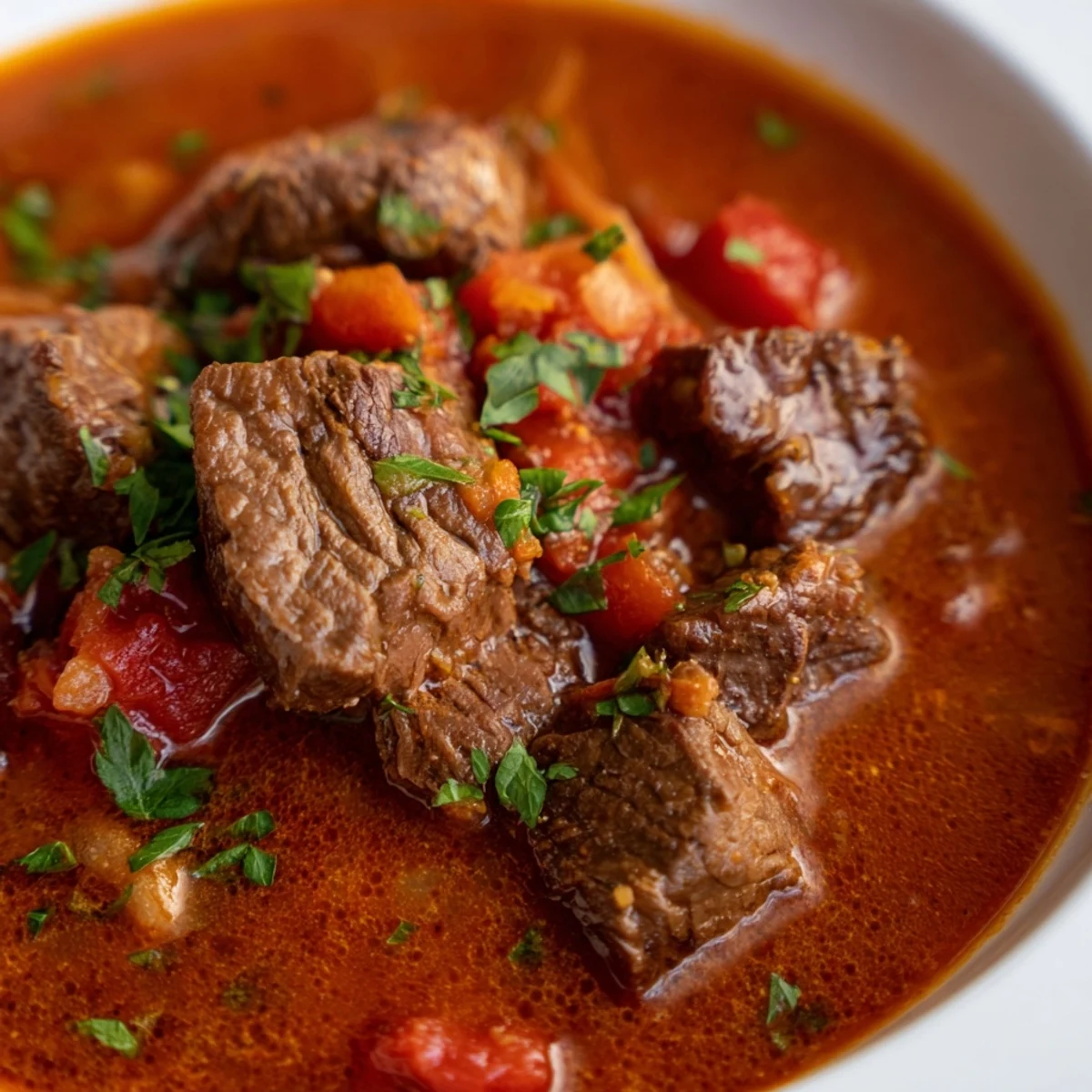
Save This slow cooker dish brings together tender beef chuck roast with potatoes, carrots, celery, and savory herbs. Cooked gently over several hours, the flavors meld into a rich, hearty meal perfect for effortless family dinners. Optional peas add a fresh touch near the end, while herbs like thyme and rosemary deepen the aroma. This one-pot comfort delivers satisfying textures and robust taste with minimal prep and easy cooking.
There's something about a slow cooker that feels like cheating in the best way possible—you dump everything in before work, and by dinner time, your whole house smells like you've been cooking all day. I discovered this particular version on a gray January morning when I had nothing in the fridge except beef, potatoes, and the vague memory of my grandmother's pot roast. Six hours later, my family gathered around the table without me having spent more than twenty minutes in the kitchen, and that's when it clicked: this was the recipe I'd make forever.
I made this for my neighbor when she brought over her newborn, and I watched her face when she took the first bite—pure relief, like she'd forgotten what real food tasted like. She called me a week later asking for the recipe, and I realized it wasn't fancy or complicated, but it was exactly what people need when life gets overwhelming.
Ingredients
- Beef chuck roast (2 lbs, cubed): Chuck is the unsung hero here—it's marbled with fat that keeps it juicy through hours of cooking, and those connective tissues break down into gelatin that makes the whole pot silky.
- Potatoes, carrots, celery (roughly 4, 3, 2 pieces): These are your flavor foundation and texture; they soften enough to be creamy but sturdy enough to hold their shape.
- Onion and garlic (1 large, 3 cloves): They almost dissolve into the broth, giving you that deep, savory backbone without tasting aggressive.
- Beef broth (2 cups): Use low-sodium if you can, so you control the salt level—store-bought broth can sneak in more than you'd expect.
- Canned diced tomatoes with juice (14 oz): The acidity brightens everything and helps tenderize the meat; don't drain them or you'll lose that moisture.
- Tomato paste (2 tbsp): A small amount goes a long way—it adds depth without making the broth acidic or thin.
- Worcestershire sauce (1 tbsp): This is the secret whisper in the background; it adds umami that makes people ask what's in this.
- Thyme, rosemary, bay leaves, salt, and pepper: Go easy on the salt initially; you can always add more, but you can't take it out.
- Frozen peas (1 cup, optional): Add these only at the very end so they stay bright green and don't turn mushy—they're the last surprise in each spoonful.
Instructions
- Brown the beef (if you have time):
- Heat a skillet over medium-high heat and sear the meat on all sides until it's golden—this takes about 10 minutes but seals in flavor. If you're running late, you can skip this; it'll still taste good, just not quite as rich.
- Build the pot:
- Throw potatoes, carrots, celery, onion, and garlic into your slow cooker, then nestle the beef on top—don't worry about layers being perfect.
- Pour in the liquid and flavor:
- Add broth, tomatoes with their juice, tomato paste, and Worcestershire sauce, then stir until the paste dissolves a bit. Sprinkle the herbs and seasonings over everything and give it a good mix so nothing settles in clumps.
- Let it do its thing:
- Cover and cook on low for 6 to 8 hours—the longer you go, the more tender everything becomes. If you're in a rush, high heat for 3 to 4 hours works, but low and slow is gentler on the meat.
- Finish strong:
- During the last 30 minutes, stir in frozen peas if you want them, taste the broth, and adjust salt and pepper—this is when you make it yours. Remove the bay leaves before serving.
 Save
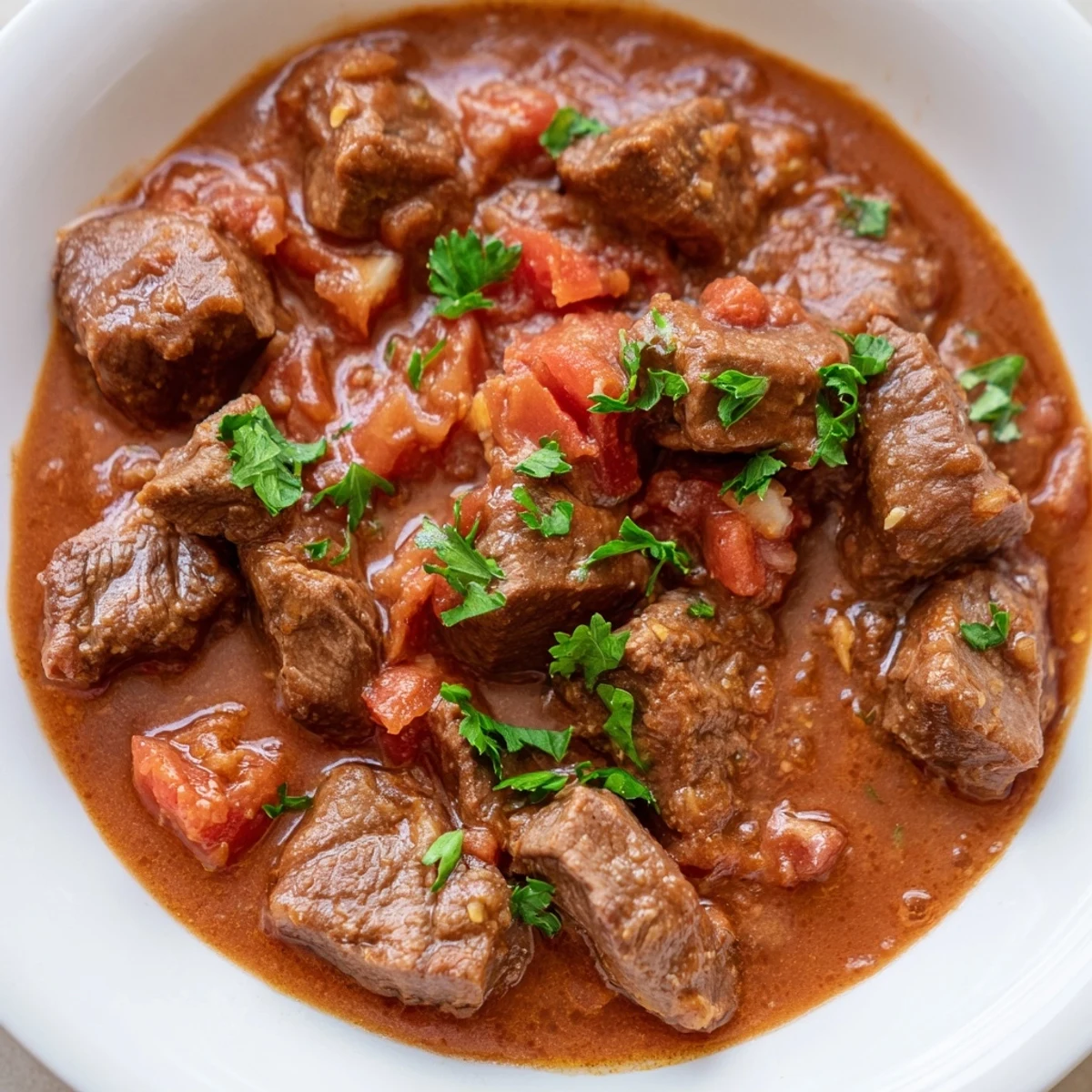
Save My son used to refuse anything that looked like it had vegetables mixed in, but he'd eat this straight from the bowl without complaint. One afternoon he asked why it tasted different from what I made last time—I hadn't changed anything, but his palate had, and he was beginning to notice how the herbs deepened the flavor. That shift, that willingness to taste before deciding, felt like a small victory in our kitchen.
Making It Your Own
This recipe is flexible in ways that feel almost forgiving. Swap the beef for chicken thighs if you want something lighter, or pork shoulder if you want a different richness—they all cook beautifully in the same time and broth. The vegetable ratio can shift based on what's in season or what your family actually eats; just keep the liquid roughly the same so the broth doesn't become too thick or thin.
Texture and Timing
The slow cooker teaches patience in a kitchen where most of us are rushing. If you want a thicker stew, mix cornstarch and cold water near the end and stir it in during those final 30 minutes—don't do it at the start or the thickener breaks down too much. The vegetables should be soft enough to break with a spoon but not so mushy they disappear into the broth; that sweet spot usually hits around the 6-hour mark on low.
Serving and Pairing
This tastes even better the next day when the flavors have settled into each other, so don't hesitate to make it on a Sunday and reheat it during the week. A crusty piece of bread is non-negotiable—you'll want it to soak up every bit of that savory broth. If you're feeling fancy, ladle it over mashed potatoes or serve it alongside a simple green salad to cut through the richness.
- A medium-bodied red wine like Merlot or Cabernet Sauvignon pairs beautifully if you want to keep the evening simple and warm.
- Garnish with fresh parsley right before serving to brighten the dish and add a little color.
- Leftovers freeze well for up to three months, so you can make double and have emergency dinner waiting.
 Save
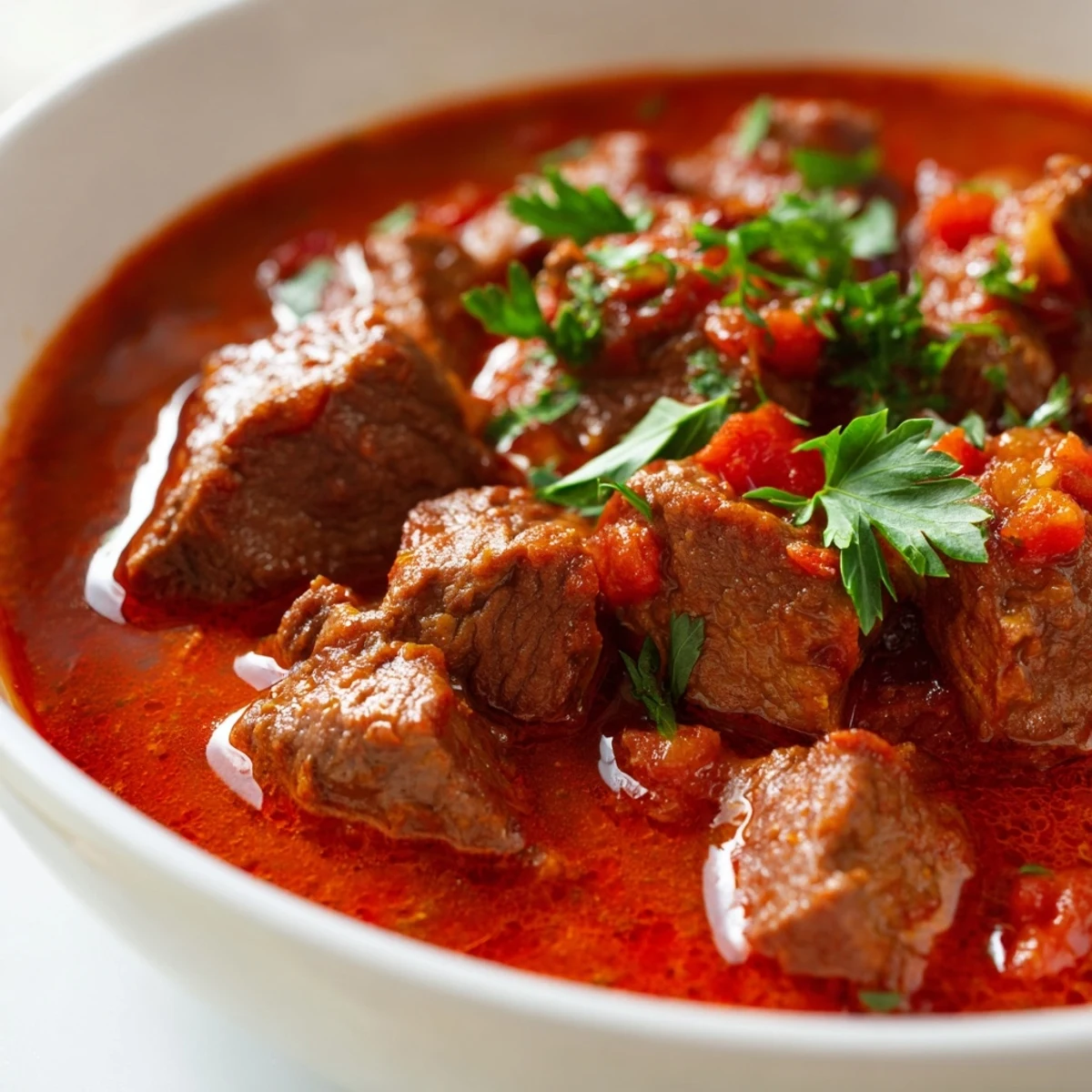
Save This is the kind of meal that makes a house feel like a home—simple, nourishing, and generous. You'll find yourself reaching for it whenever you need to feel like you've got your life together, even on the days when you barely do.
Recipe FAQs
- → Can I substitute the beef with other meats?
-
Yes, chicken thighs or pork shoulder work well as flavorful alternatives that adapt to slow cooking.
- → Should I brown the beef before slow cooking?
-
Browning enhances the flavor but is optional; it adds a richer taste and better color to the meat.
- → When should I add the frozen peas?
-
Stir frozen peas into the pot during the last 30 minutes to maintain their color and texture.
- → How can I thicken the cooking liquid?
-
Mix 2 tablespoons of cornstarch with cold water and stir it in during the final 30 minutes to thicken the sauce.
- → What herbs complement this dish?
-
Dried thyme, rosemary, and bay leaves provide aromatic depth and enhance the overall flavor profile.