
 Save
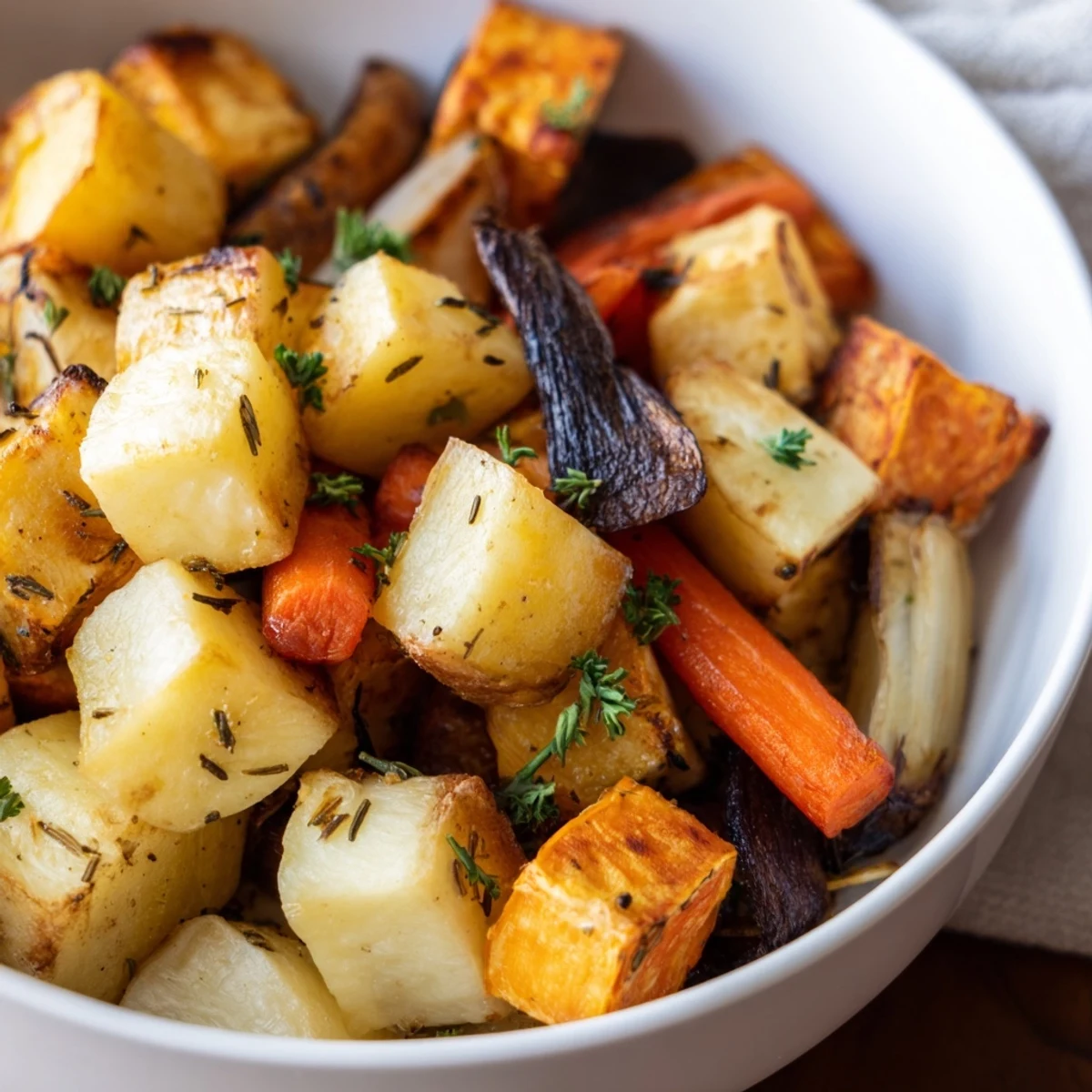
Save This dish combines a variety of root vegetables like carrots, parsnips, and sweet potatoes, all tossed with olive oil and aromatic dried herbs such as thyme, rosemary, and oregano. Roasting enhances their natural sweetness and softness while the herb blend infuses a fragrant, savory aroma. Finished with fresh parsley, it's a satisfying and colorful side or vegetarian main, complementing many meals with ease.
There's something deeply satisfying about the moment root vegetables hit a hot pan—the sizzle, the aroma of thyme filling the kitchen, that sudden shift from raw to caramelized. I discovered this medley on a chilly October evening when I had too many vegetables and not enough ideas, so I tossed them all together with whatever dried herbs were in my pantry. The result was so golden and comforting that it became my go-to side dish ever since.
I made this for my sister's potluck last winter when she specifically asked for something that wasn't a salad, and I watched people go back for thirds without realizing it was entirely vegetables. She texted me later saying her partner, who claims to hate beets, had eaten half the pan. Sometimes the best recipes are the ones that surprise people into loving what they thought they didn't.
Ingredients
- Carrots: Buy firm ones and peel them fresh—the sweetness intensifies when roasted, and you'll taste the difference.
- Parsnips: These are the secret MVP; they caramelize into something almost candy-like if you give them space on the pan.
- Sweet potato: Adds a natural sweetness that balances the earthiness of the other roots—don't skip it.
- Red onion: The purple-red color stays vibrant and the onion softens into something almost creamy.
- Golden beets: Milder than red beets and less likely to stain everything magenta, though red works just as well.
- Yukon Gold potato: Waxy and buttery even before roasting; cuts into neat pieces that brown beautifully.
- Olive oil: Use good quality here—you'll actually taste it once everything caramelizes.
- Dried thyme, rosemary, and oregano: This trio creates an herbaceous backbone that ties all the sweet vegetables together without overpowering them.
- Sea salt and black pepper: Finish seasoning just before roasting so the salt doesn't draw out moisture too early.
- Fresh parsley: A bright green finish that cuts through the richness and makes the whole dish look intentional.
Instructions
- Get your oven ready and prep the vegetables:
- Heat your oven to 425°F and line a baking sheet with parchment paper so cleanup is effortless. Cut all your vegetables into roughly 1-inch pieces—consistency matters more than perfection here, since uniform sizes mean everything roasts at the same pace.
- Combine and coat:
- Toss all the prepared vegetables together in a large bowl, then drizzle generously with olive oil and scatter the dried herbs over top. Use your hands to mix everything together, making sure each piece gets a light coating of oil and a kiss of herbs.
- Spread and roast:
- Arrange the vegetables in a single layer on your prepared baking sheet—they should be mostly touching but not crowded on top of each other. Roast for 40 to 45 minutes, stirring once halfway through, until the edges are golden and crispy and the centers yield easily to a fork.
- Finish with brightness:
- Transfer to a serving dish while still warm and sprinkle fresh parsley over the top if you have it. Serve immediately while everything is still steaming.
 Save
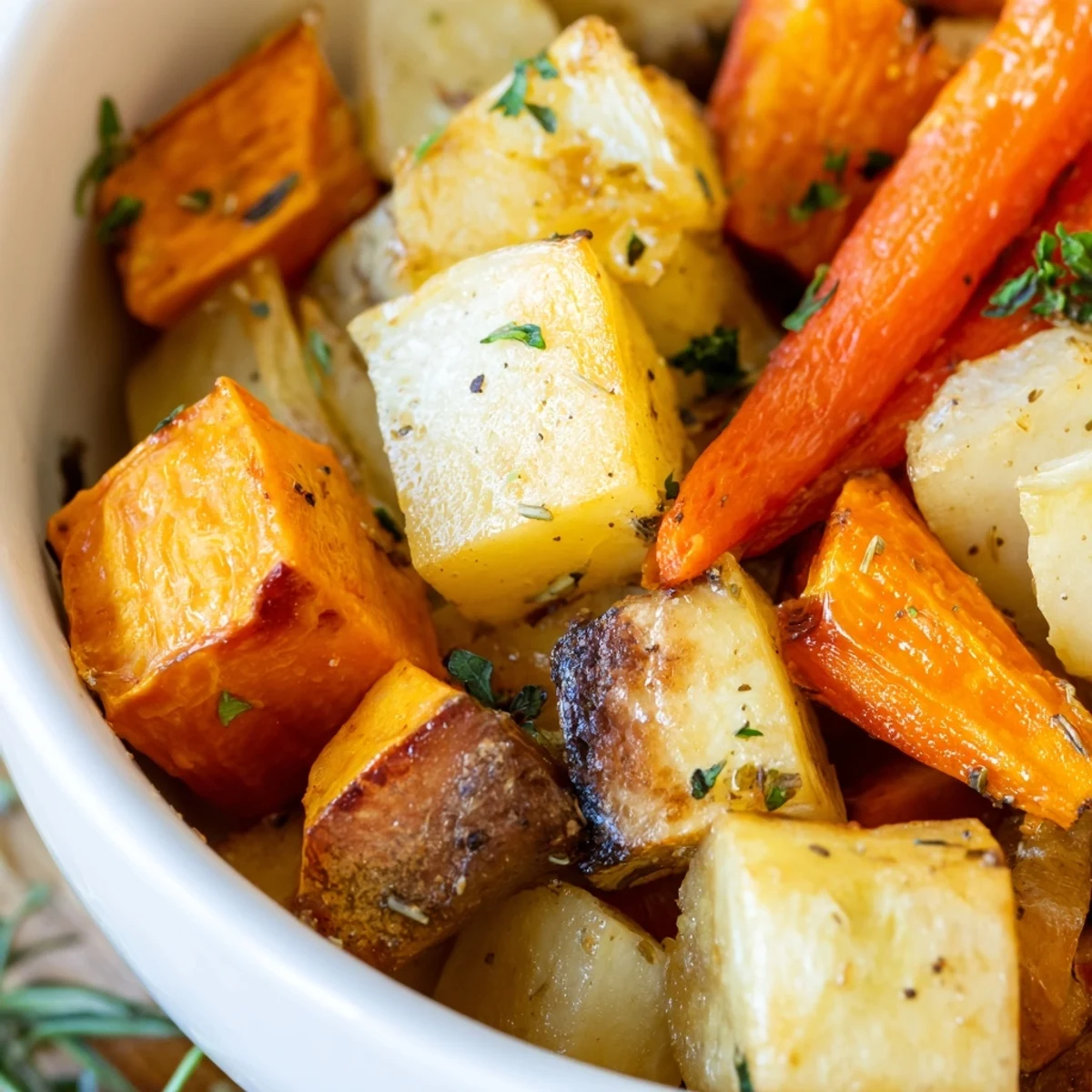
Save The real magic happened when I realized this dish doesn't need anything else to feel complete—it's not a supporting player, it's the main event. People started requesting it specifically, not as an afterthought but as something they actually craved.
Timing and Temperature Matter
I once tried rushing this recipe at 450°F thinking I'd save time, and the outside burned while the inside stayed hard. Then I learned that 425°F is the sweet spot where the Maillard reaction happens slowly enough for the centers to soften completely. If your oven runs hot or cold, check at the 35-minute mark rather than waiting the full 45.
Playing with Variations
The beauty of this recipe is how forgiving it is with substitutions. I've swapped in turnips, rutabaga, and even thick-cut celery root, and each one brings its own personality to the pan. The dried herbs are also flexible—use what you have, or lean heavier into one if it's your favorite.
Serving and Storage
This dish tastes best served warm straight from the oven, but it's equally delicious at room temperature the next day, which makes it perfect for batch cooking or taking to potlucks. Reheat gently in a 350°F oven if you want to restore some of the crispness, or eat it cold with a squeeze of fresh lemon juice.
- Pair with roasted chicken, fish, or lay it over quinoa or farro for a vegetarian main.
- Add a handful of raw spinach or arugula on top of the warm vegetables for a bright, peppery contrast.
- Store leftovers in an airtight container in the fridge for up to four days, and reheat without guilt.
 Save
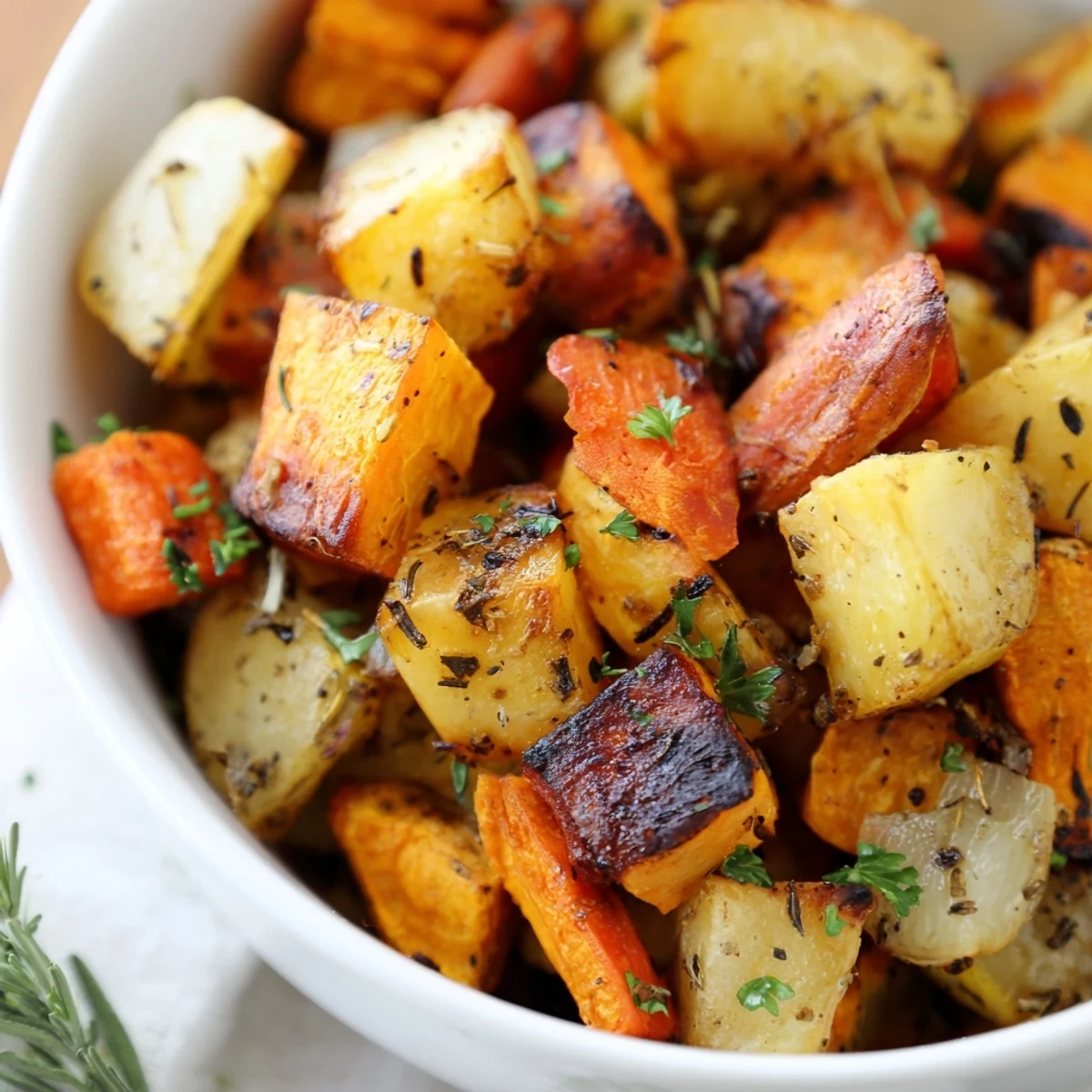
Save This is one of those recipes that quietly became essential in my kitchen, the kind you make without thinking and people always seem grateful to eat. There's real comfort in a sheet pan full of caramelized vegetables, the kind that feeds both hunger and something harder to name.
Recipe FAQs
- → What root vegetables work best for roasting?
-
Carrots, parsnips, sweet potatoes, red onions, golden beets, and Yukon Gold potatoes roast beautifully, offering a mix of textures and natural sweetness.
- → How do dried herbs affect the flavor?
-
Dried thyme, rosemary, and oregano add deep, earthy notes that complement the natural sweetness of the vegetables, creating a fragrant and balanced dish.
- → Can I add garlic for extra flavor?
-
Yes, tossing whole unpeeled garlic cloves with the vegetables before roasting adds a mellow, rich aroma without overpowering the medley.
- → What is the ideal oven temperature and roasting time?
-
Roasting at 425°F (220°C) for 40–45 minutes ensures the vegetables become tender and caramelized with a golden finish.
- → How can I serve this vegetable medley?
-
It pairs well as a side with roasted meats or as a hearty base for grains like quinoa or rice, suitable for vegetarian meals.