
 Save
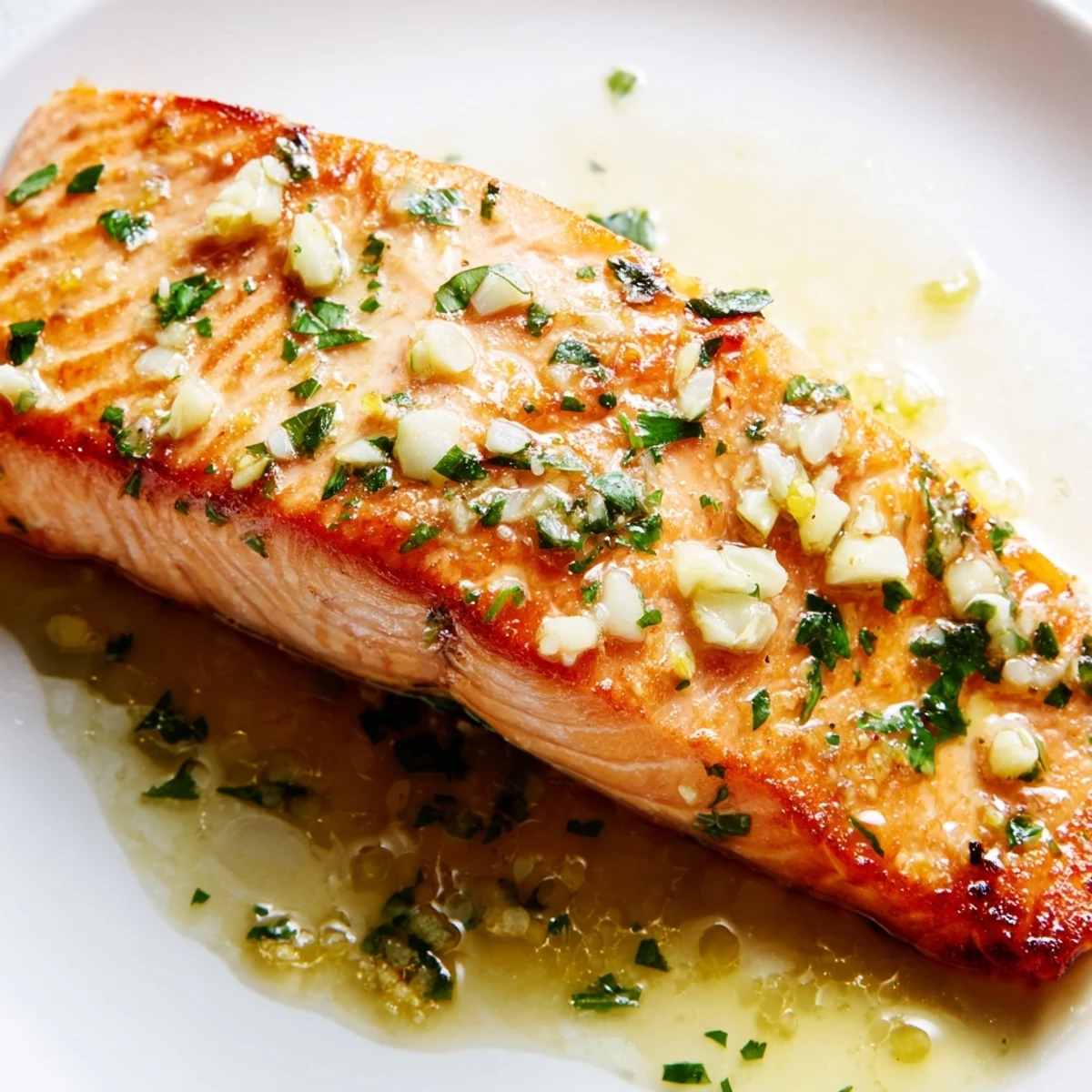
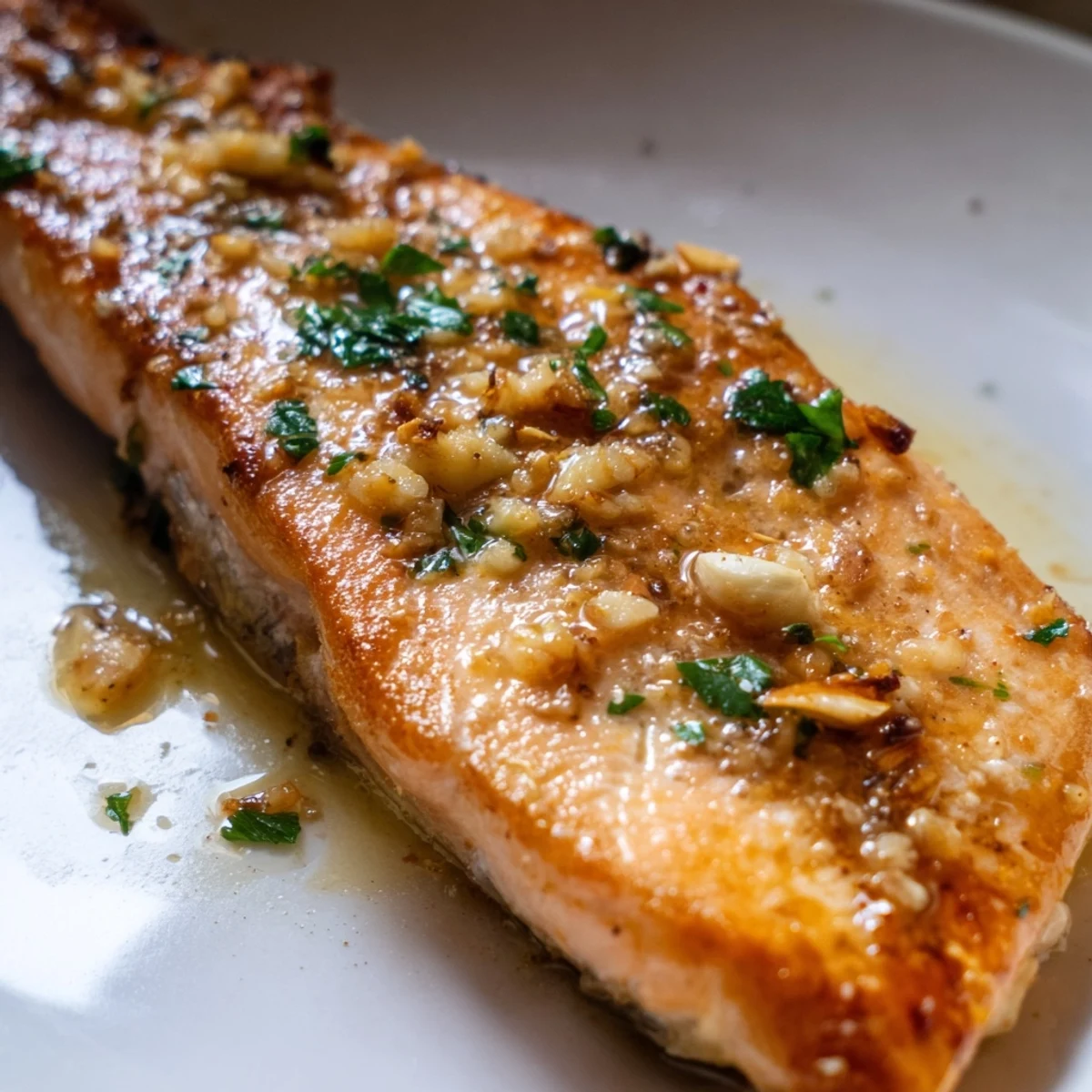
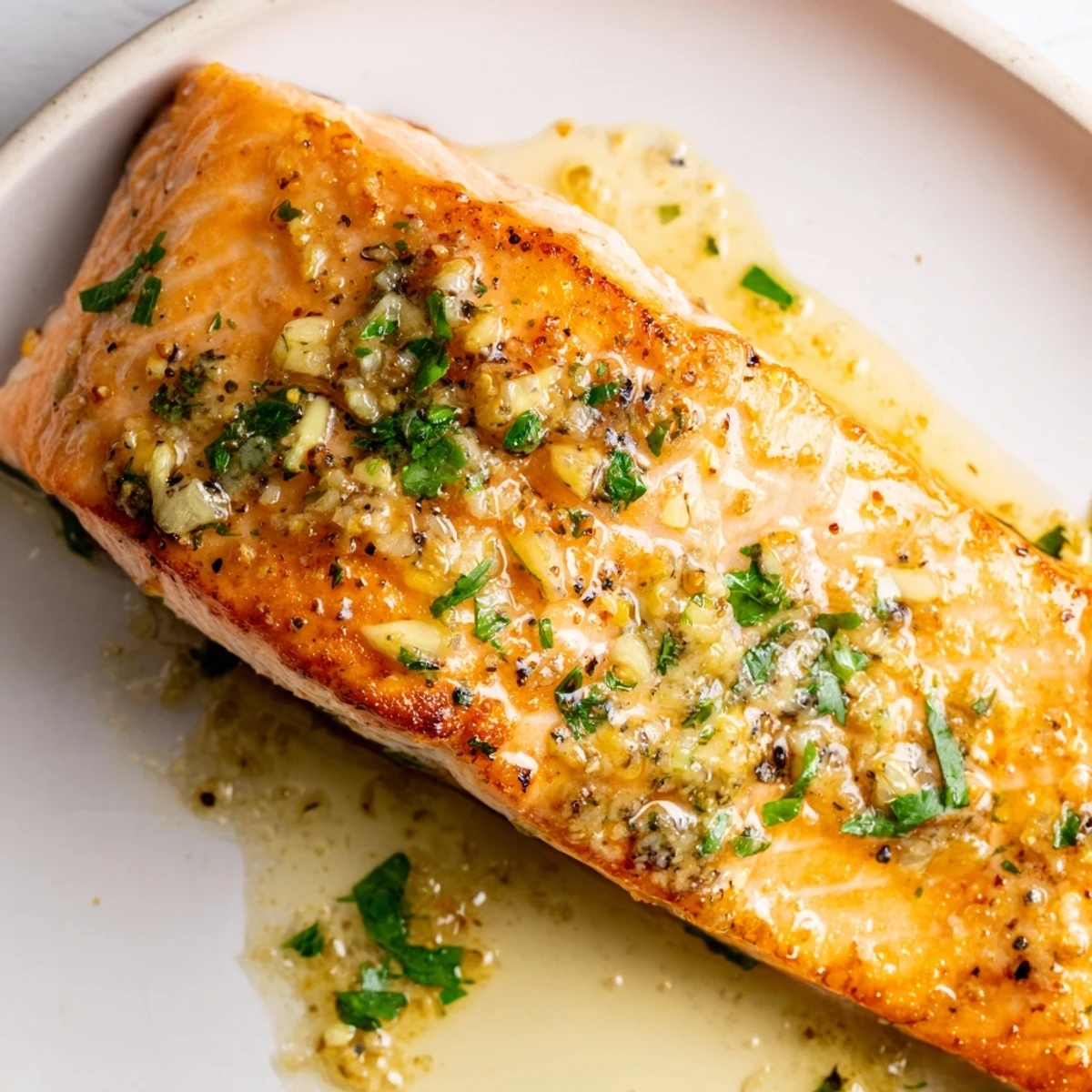
Save This elegant yet effortless dish transforms fresh salmon fillets into something extraordinary. The fillets develop beautifully crispy skin while staying moist and tender inside, achieved through a simple pan-searing technique that creates restaurant-quality results in your own kitchen.
The garlic butter sauce is the star—bubbling away in the same pan, it captures all those caramelized flavors from the salmon. Fresh parsley and bright lemon juice cut through the richness, while minced garlic infuses the butter with aromatic depth. Spoon this golden sauce over the seared fish for an irresistible finish.
Ready in just over 20 minutes with minimal prep work, this dish strikes that perfect balance between impressive enough for entertaining but practical enough for busy weeknights. Serve with steamed vegetables, rice, or a crisp salad to complete the meal.
The first time I attempted pan-seared salmon at home, I ended up with a kitchen full of smoke and fish that stuck hopelessly to the pan. My husband stood by the back door waving a dish towel, both of us laughing as the smoke detector blared. That disaster taught me everything about patience and heat control, and now this crispy-skinned salmon has become our Friday night ritual. The smell of garlic butter hitting that hot pan still makes my mouth water every single time.
Last Valentine's Day, I wanted to cook something special but didn't want to spend hours in the kitchen. This salmon was the answer. We sat at our tiny dining table, the only light coming from candles and the kitchen window, dipping each bite into that pooled butter sauce. Sometimes the simplest meals create the sweetest memories.
Ingredients
- 4 salmon fillets with skin: Skin-on is absolutely non-negotiable here, it creates that restaurant-quality crispy layer and protects the fish while cooking
- Olive oil: A neutral oil with a high smoke point prevents burning while building that golden crust
- Salt and black pepper: Be generous with seasoning, it's the foundation of flavor in such a simple preparation
- Unsalted butter: Control your salt levels and let the pure butter flavor shine through that garlic
- Fresh garlic cloves: Jarred garlic will never give you that sweet, aromatic punch that fresh minced cloves provide
- Fresh lemon juice: Brightens all that rich butter and cuts through the natural oiliness of the salmon
- Fresh parsley: Adds color and a fresh herbal note that balances the heaviness of the sauce
Instructions
- Prep those fillets:
- Pat each salmon piece completely dry with paper towels, then season generously on both sides with salt and pepper
- Get that pan hot:
- Heat olive oil in a large nonstick skillet over medium-high heat until it shimmers and dances slightly
- Start skin-side down:
- Place salmon fillets in the hot pan skin-side first, pressing gently with your spatula to ensure full contact with the pan
- Let it develop:
- Cook without touching for 4 to 5 minutes until the skin is golden and crispy, then flip and cook 3 to 4 minutes more
- Rest the fish:
- Transfer salmon to a plate and tent loosely with foil while you make that magical sauce
- Build the base:
- Lower heat to medium, add butter to the skillet, and let it melt and foam slightly before adding minced garlic
- Finish with brightness:
- Sauté garlic for just 1 minute until fragrant, then stir in lemon juice and parsley immediately
- Bring it together:
- Spoon that gorgeous garlic butter over each fillet and serve hot with extra lemon wedges on the side
 Save
Save My daughter used to refuse any fish until she watched me make this recipe one evening. She stood on her step stool, eyes wide as the skin started crackling and the butter sauce began to bubble. Now she asks for salmon at least once a week and carefully arranges the lemon wedges on everyone's plate like little garnish trophies.
Getting The Perfect Sear
Let your pan get properly hot before adding the oil and fish. I ruined so many pieces of salmon by being impatient and adding them too early. That sizzle should be immediate and dramatic when the fish hits the pan, and you should not hear a sad, sluggish sound instead.
Sauce Variations
Sometimes I throw in a pinch of red pepper flakes right when I add the garlic, especially when I want a little warmth against all that butter. Fresh dill works beautifully in place of parsley, and a splash of white wine in the sauce takes it to an entirely new level of sophistication.
What To Serve Alongside
Keep sides simple so the salmon can really shine. I love it with steamed broccoli or roasted asparagus, but crusty bread for sopping up that extra sauce is non-negotiable in our house.
- A crisp green salad with a vinaigrette cuts through the richness
- Cauliflower rice keeps it low-carb but still feels substantial
- Roasted potatoes with rosemary would be perfect for a more filling meal
 Save
Save Good food does not need to be complicated, and this salmon proves that every single time it hits our table.
Recipe FAQs
- → How do I get crispy skin on salmon?
-
Pat the fillets completely dry before seasoning, heat your skillet until properly hot, add oil, then place salmon skin-side down. Press gently with a spatula for the first minute to ensure contact with the pan. Don't flip until the skin releases easily and is golden brown—typically 4–5 minutes.
- → What temperature should salmon be cooked to?
-
Salmon is perfectly cooked when it reaches an internal temperature of 125–130°F for medium-rare to medium, or 140°F for well-done. The fillets should feel firm but still yield slightly to gentle pressure, and the flesh should appear opaque with a slight translucence in the center.
- → Can I use frozen salmon fillets?
-
Yes, but thaw completely first. The safest method is to transfer frozen salmon to the refrigerator and let thaw overnight. For quicker thawing, seal the fillets in a watertight bag and submerge in cold water for 30–60 minutes, changing water halfway through. Pat very dry before cooking.
- → What sides pair well with this dish?
-
Steamed vegetables like asparagus, broccoli, or green beans complement the rich flavors. For something more substantial, try roasted potatoes, fluffy white rice, or crusty bread to soak up the garlic butter sauce. A crisp green salad with acidic vinaigrette also balances the richness beautifully.
- → How do I know when the butter sauce is done?
-
The butter should be fully melted and foaming slightly. The garlic should smell fragrant and appear pale golden—about 1 minute of sautéing. Be careful not to brown the garlic or it will turn bitter. Once you add the lemon juice and parsley, stir immediately and remove from heat.
- → Can I make this dairy-free?
-
Substitute the unsalted butter with an equal amount of olive oil or dairy-free butter alternative. The sauce won't have quite the same creamy richness, but you can add a teaspoon of capers or a pinch of nutritional yeast to enhance the savory flavor profile.