
 Save
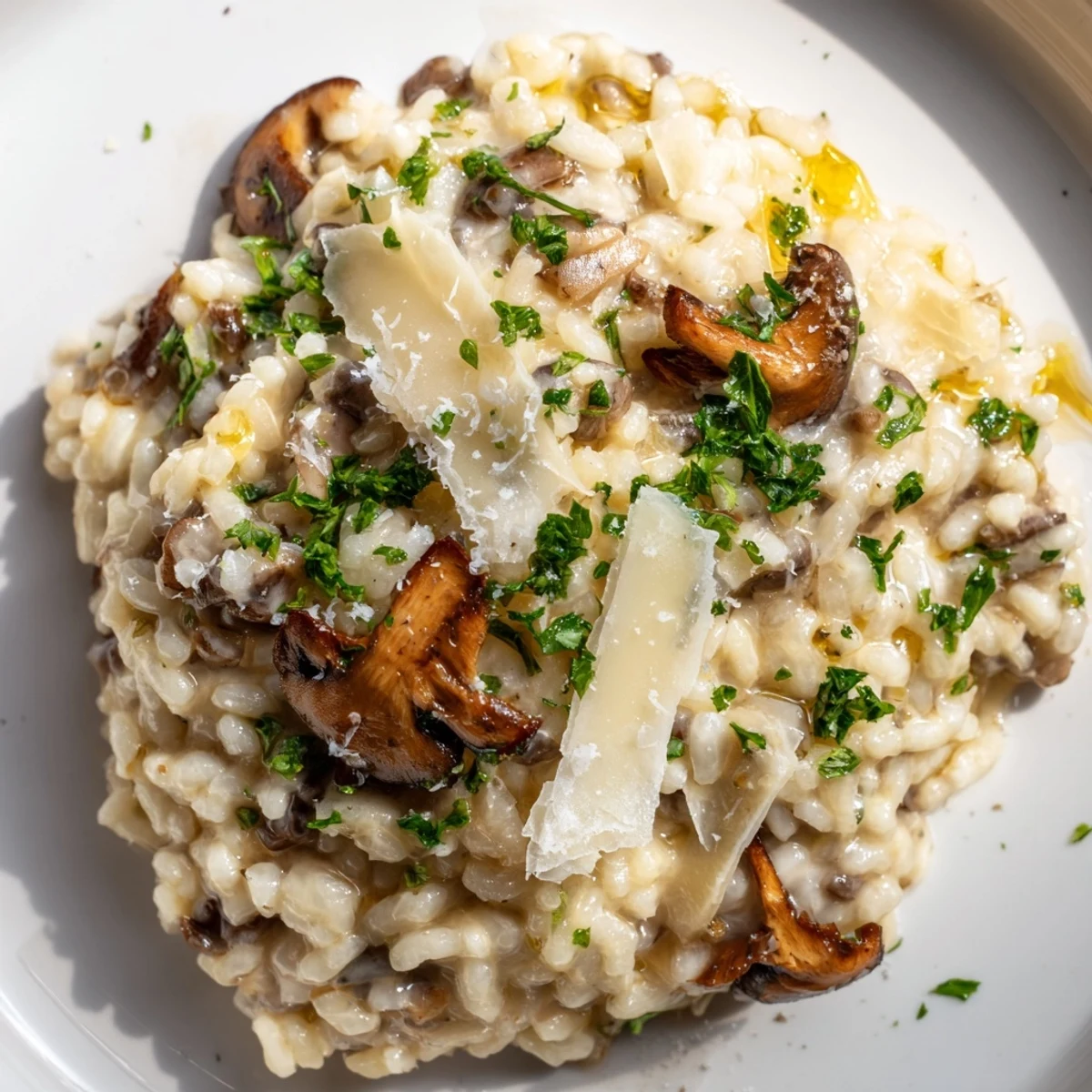
Save Slow-cooked arborio rice is combined with sautéed mushrooms and white wine, creating a rich and creamy texture. The dish is finished with butter, Parmesan cheese, and a drizzle of aromatic truffle oil for a luxurious vegetarian main course.
There's a particular moment when risotto teaches you patience—standing over a warm pot, stirring slowly while steam rises and the kitchen fills with the scent of toasted rice and earthy mushrooms. I discovered that moment on a quiet Sunday evening, ladling warm broth into arborio rice one careful measure at a time, watching it transform from individual grains into something creamy and alive. The truffle oil came last, just a drizzle, and that's when the whole dish shifted from good cooking into something that felt like a small luxury. It's the kind of dish that makes you slow down.
I made this for friends one autumn evening, and I watched their faces when they tasted it—quiet, genuine appreciation without needing to say much. Someone asked if I'd learned to cook Italian professionally, and I had to laugh because it was just patience and good ingredients. That night convinced me that risotto isn't actually intimidating; it just asks you to be present while you cook it.
Ingredients
- Arborio rice (1 ½ cups): This short-grain variety has a starch content that dissolves into the liquid, creating that signature creaminess—it's essential and worth seeking out rather than substituting.
- Mixed fresh mushrooms (14 oz): Cremini, shiitake, and button mushrooms each bring different earthy notes; the variety prevents the dish from tasting one-dimensional.
- Yellow onion (1 medium): Finely chopped so it dissolves almost invisibly into the base, adding sweetness and depth without texture.
- Garlic (2 cloves): Minced small so it infuses the oil rather than appearing as distinct pieces.
- Vegetable broth (5 cups): Keep it warm in a separate pot—adding cold broth shocks the cooking rice and disrupts the process.
- Dry white wine (¼ cup): Adds acidity and complexity; it should evaporate almost completely.
- Unsalted butter (3 tbsp total): Divided between cooking the aromatics and finishing the risotto—real butter matters here.
- Freshly grated Parmesan (½ cup): Grate it yourself just before using; pre-grated loses flavor and can clump.
- Truffle oil (2 tbsp): The final flourish that elevates the entire dish—add only at the end to preserve its aroma.
- Salt and pepper: Taste throughout and adjust; risotto seasons differently as it cooks.
Instructions
- Soften the aromatics:
- Melt 1 tablespoon of butter over medium heat and add the chopped onion. Listen for a gentle sizzle; you want them to turn translucent and just barely golden in about 3–4 minutes. Add the minced garlic and stir constantly for exactly 1 minute so it perfumes the oil without browning.
- Brown the mushrooms:
- Increase the heat slightly and add all the sliced mushrooms at once—they'll release moisture at first, then gradually brown as the liquid evaporates. This takes about 5–7 minutes and should smell rich and deeply savory. Season generously with salt and pepper once they've softened.
- Toast the rice:
- Stir the arborio rice into the mushroom mixture and keep stirring constantly for exactly 2 minutes. You'll notice the grains become slightly translucent at their edges—this toasting step develops a subtle nutty flavor that underlies the whole dish.
- Deglaze with wine:
- Pour in the white wine and stir until it's mostly evaporated and the pot is nearly dry again. This acidic moment brightens everything that comes next.
- Build the risotto:
- Add warm broth one ladleful at a time, stirring frequently and waiting until each addition is mostly absorbed before adding the next. This patient repetition—roughly 18–20 minutes total—is what creates the creamy consistency. Toward the end, add smaller amounts so you can reach that perfect balance where the risotto flows slightly but the rice still has a gentle bite.
- Finish with butter and cheese:
- Remove from heat and stir in the remaining 2 tablespoons of butter and the freshly grated Parmesan until the risotto becomes glossy and cohesive. This final step, called mantecatura, transforms it from cooked into complete.
- Truffle oil and serve:
- Drizzle the truffle oil over the risotto and give it one gentle stir to distribute the aroma without overdoing it. Taste one more time for salt and pepper, then serve immediately while the heat releases the truffle's fragrance.
 Save
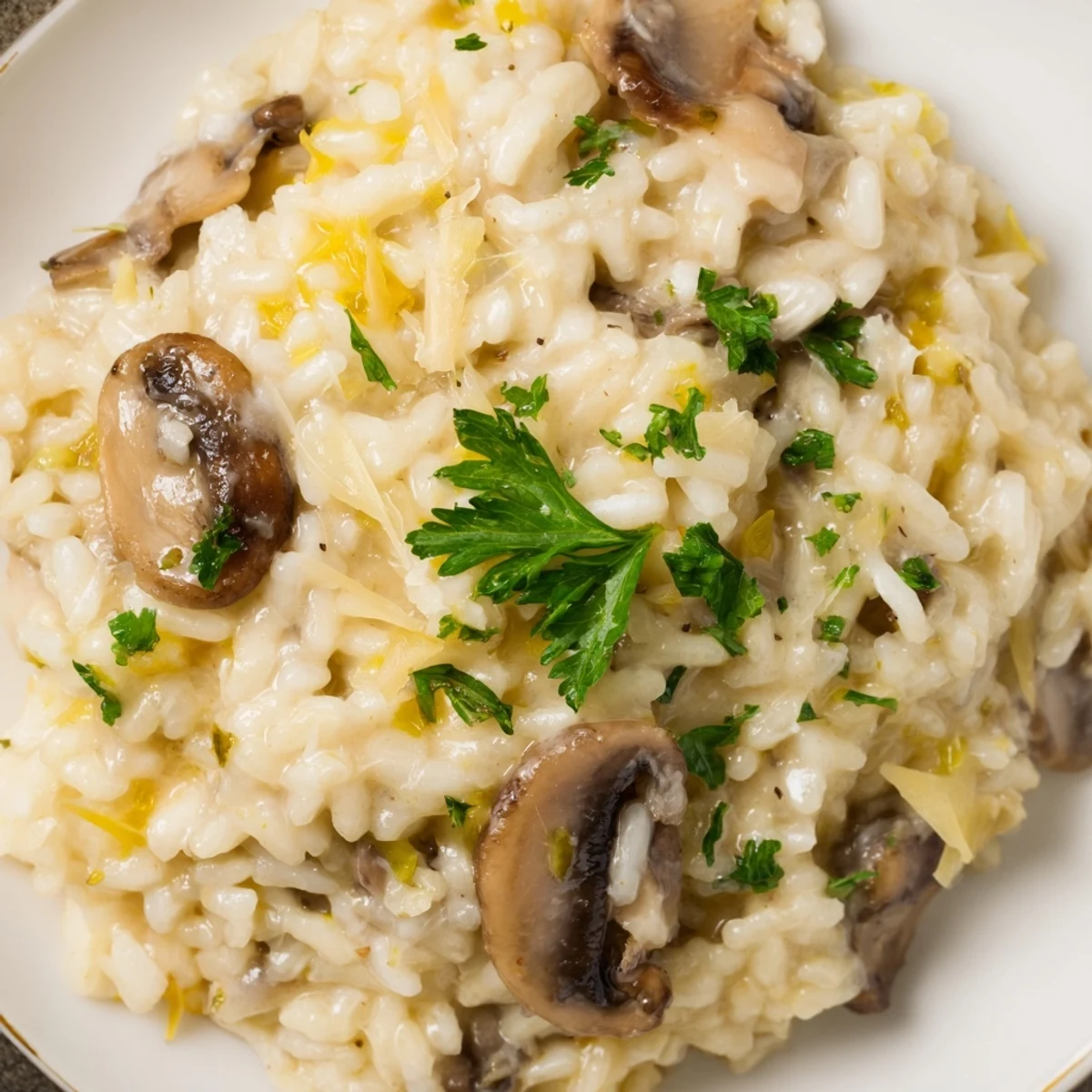
Save The transformation is what stays with me—watching individual rice grains become one unified, creamy whole. That moment when it shifts from separate components into something greater than itself feels like magic, but it's really just heat, time, and attention.
Choosing Your Mushrooms
I used to think all mushrooms were interchangeable until I tasted the difference a mixed batch makes. Button mushrooms are mild and tender, cremini add deeper earthiness, and shiitake brings an almost smoky umami that transforms the entire dish. If you can find them, porcini mushrooms (fresh or dried and rehydrated) add a complexity that feels almost luxurious. The combination matters more than perfection—use what's fresh at your market, but vary the types rather than sticking to one.
The Rhythm of Risotto
Risotto asks something unusual of home cooks: it demands presence. You cannot walk away, check your phone, or reduce the heat and forget about it. There's something almost meditative about this—the repetition of stirring, the gradual absorption, the small decisions about when to add more broth. Some people find this tedious, but I've come to love it because it transforms dinner from something rushed into something intentional. The 20 minutes at the stove becomes a pocket of calm in an otherwise chaotic day.
Wine Pairing and Serving
This risotto pairs beautifully with a crisp, dry white wine—Pinot Grigio, Sauvignon Blanc, or even a light Vermentino cuts through the richness without overwhelming the delicate truffle aroma. Serve it as a main course in shallow bowls so the creamy rice spreads slightly, and finish each bowl with a tiny shower of freshly grated Parmesan and a small handful of fresh parsley for color. A simple green salad on the side provides brightness, but honestly, this risotto stands entirely on its own.
- Pour the wine you're serving with dinner into the risotto itself—it should be something you'd actually want to drink.
- Use shallow, warm bowls to showcase the creamy texture rather than deep ones that hide it.
- If you're cooking for guests, prepare everything up to the broth-adding step in advance, then do the final cooking just before serving so it's at peak creaminess.
 Save
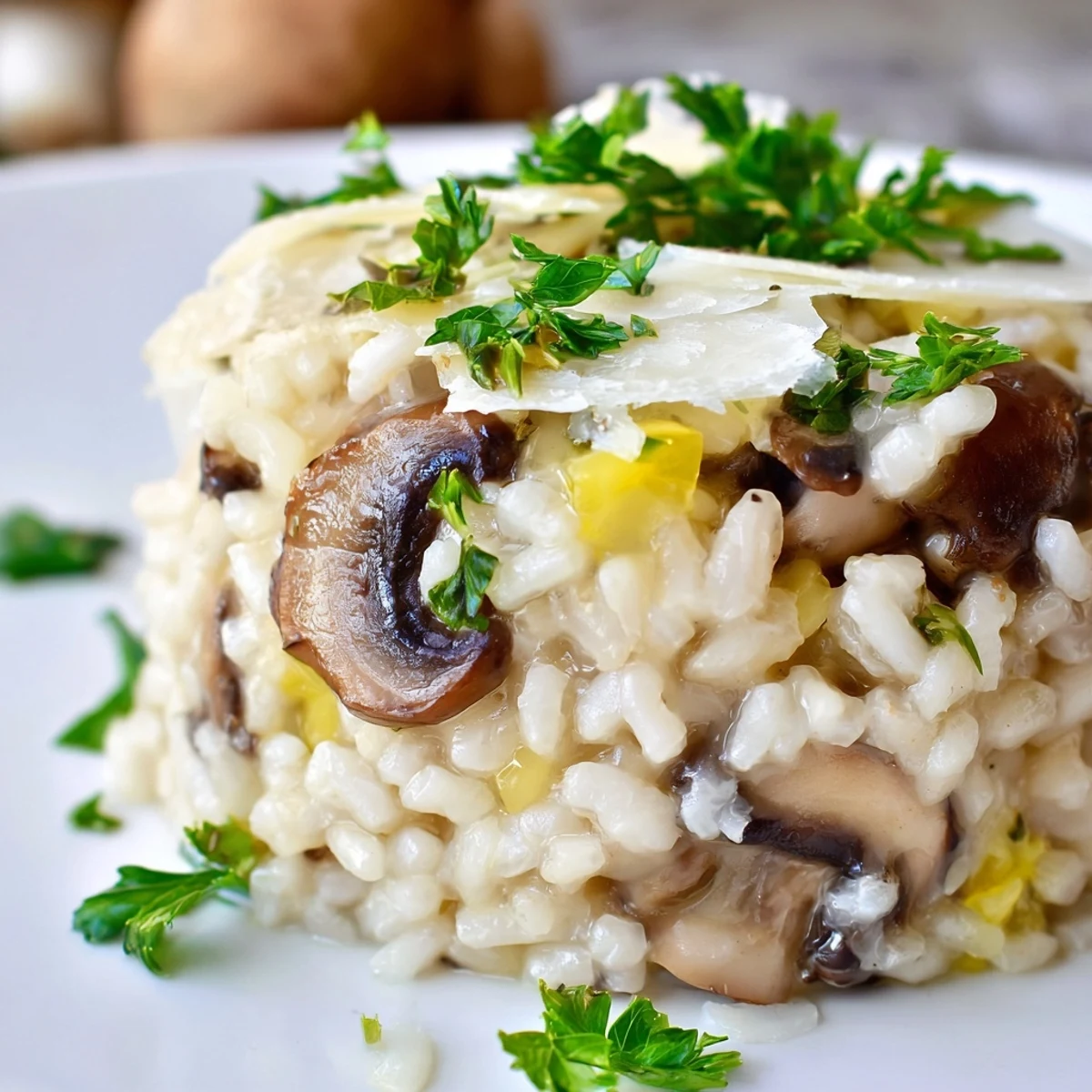
Save Risotto is the kind of dish that quietly makes people feel cared for, not through fussiness but through genuine attention. Make this when you want dinner to feel like something more than fuel.
Recipe FAQs
- → Can I use regular rice?
-
No, arborio rice is essential for its high starch content, which creates the signature creamy texture.
- → Is the truffle oil strong?
-
Yes, truffle oil is potent. Add it at the end as a finishing touch to avoid overwhelming the dish.
- → How do I store leftovers?
-
Store in an airtight container in the refrigerator for up to 3 days. Reheat with a splash of broth.
- → Can I make it vegan?
-
Substitute butter with olive oil and use nutritional yeast or vegan cheese instead of Parmesan.
- → Do I have to use wine?
-
You can replace white wine with extra vegetable broth, though wine adds acidity and depth of flavor.