
 Save
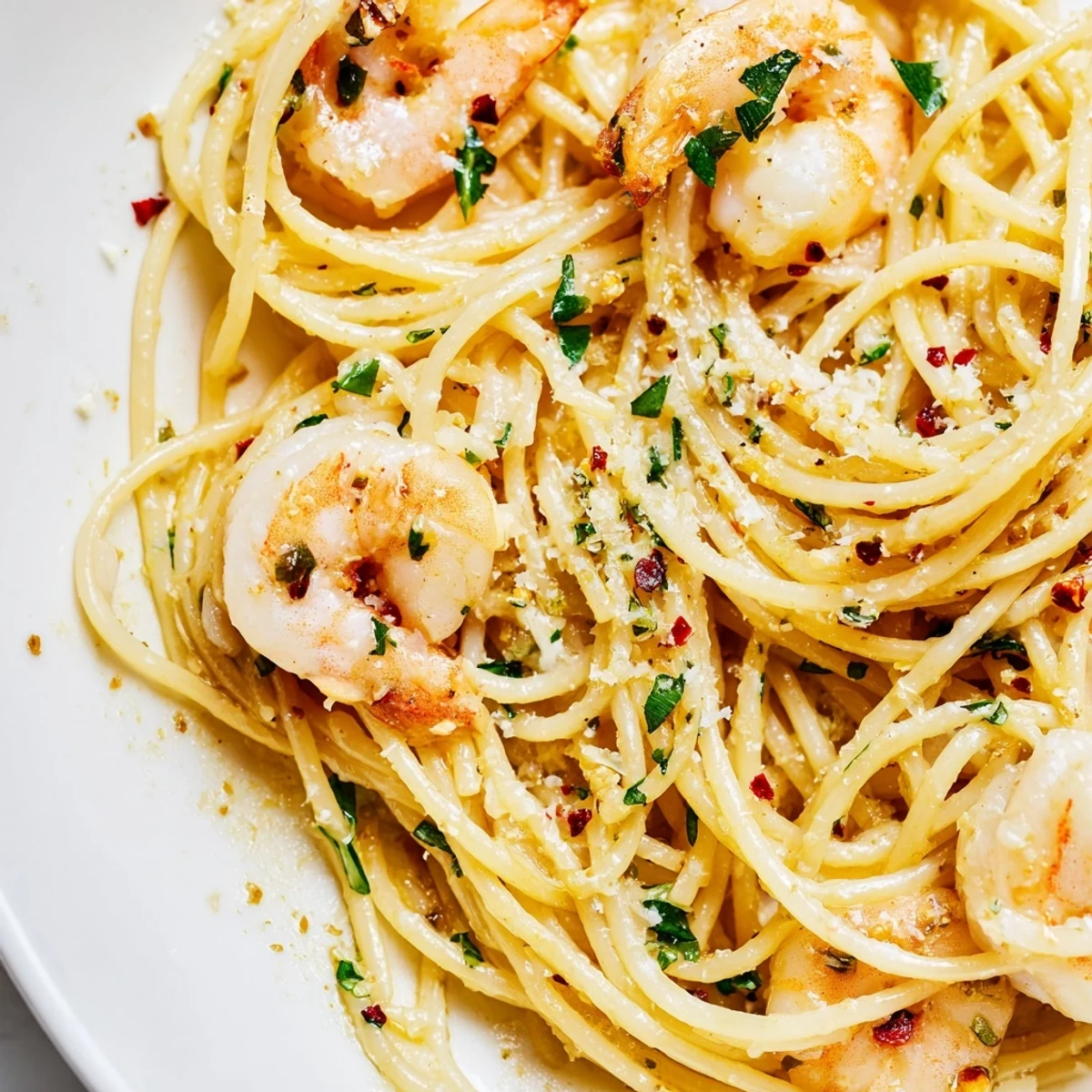
Save This bright and zesty pasta features tender shrimp gently cooked with garlic and shallot, combined with fresh lemon zest and juice. Tossed with al dente spaghetti, butter, and Parmesan, it delivers a balanced, flavorful dish perfect for a quick and easy dinner. The touch of red pepper flakes adds optional warmth, while fresh parsley brightens the final presentation.
Preparation involves cooking the pasta until just firm, sautéing shrimp until pink, and creating a tangy sauce using lemon and reserved pasta water to blend flavors smoothly. The combination of seafood, citrus, and subtle spice makes this dish a vibrant choice for those craving a light but satisfying meal.
There's something about the smell of garlic and lemon hitting a hot pan that makes you feel like you've got the afternoon figured out. I discovered this shrimp pasta on a Tuesday when I had exactly fifteen minutes to cook something that didn't taste rushed, and somehow those three ingredients—butter, lemon, shrimp—turned into something so clean and bright it felt like eating sunshine. Now I make it whenever I need to remember that cooking doesn't have to be complicated to be really, truly good.
I remember cooking this for my sister when she came home from a long week and wanted something that tasted like relief on a plate. She stood at the counter watching the shrimp turn pink, and by the time we sat down to eat, she'd already asked for the recipe. That's when I knew this dish was the kind that sticks with people.
Ingredients
- Spaghetti or linguine (340 g / 12 oz): Al dente pasta is your best friend here—it catches the sauce and stays a little springy under your teeth. Don't shy away from the pasta water when you drain it; those starches turn the sauce silky.
- Large shrimp (450 g / 1 lb), peeled and deveined: Pat them completely dry before cooking or they'll steam instead of sear. This tiny step makes the difference between rubbery and tender.
- Garlic (3 cloves, minced) and shallot (1 small, finely chopped): The shallot softens first and adds sweetness, then garlic joins the party for depth. Don't skip the shallot thinking garlic alone is enough—they're a team.
- Lemon zest and juice (1 large lemon): The zest carries flavor the juice alone can't reach, so use a microplane or the finest side of your grater. This is where the brightness lives.
- Fresh parsley (2 tbsp, chopped): Stir it in at the very end so it stays vibrant and doesn't lose itself to the heat.
- Unsalted butter (3 tbsp) and extra-virgin olive oil (2 tbsp): The combination emulsifies into a silky coating that clings to every strand. Butter alone would burn; olive oil alone would taste thin.
- Grated Parmesan cheese (40 g / 1/4 cup): Room temperature cheese melts faster and distributes more evenly than cold cheese straight from the fridge.
- Crushed red pepper flakes (1/2 tsp, optional) and salt and black pepper to taste: Start small with the heat—you can always add more, but you can't take it back.
Instructions
- Get the pasta started:
- Fill a large pot with salted water—it should taste like the sea—and bring it to a rolling boil. The salt seasons the pasta from the inside out, so don't skip this step.
- Cook pasta to al dente:
- Add spaghetti and cook according to package instructions, stirring occasionally. When it's done, reserve a full half cup of that starchy water before draining; you'll use it to build the sauce.
- Prep the shrimp:
- While pasta cooks, pat your shrimp dry with paper towels and sprinkle generously with salt and pepper. Dry shrimp means they'll actually get a golden crust instead of releasing water and steaming.
- Build the flavor base:
- Heat olive oil and 2 tablespoons of butter in a large skillet over medium heat until the butter foams. Add the chopped shallot and let it soften for about a minute, then add minced garlic and cook for another 30 seconds until the kitchen smells incredible.
- Sear the shrimp:
- Add shrimp to the pan in a single layer—don't crowd the pan or they'll stew instead of sear—and cook for 1 to 2 minutes per side until they turn pink and just feel firm to the touch. The second you see pink, get them off the heat; overcooked shrimp is tough shrimp.
- Build the sauce:
- Pour in lemon juice, add the zest, and scatter in the red pepper flakes if you're using them. Use your tongs to scrape up all those golden bits stuck to the bottom of the pan; that's pure umami flavor.
- Bring it together:
- Reduce heat to low, add the drained pasta with the remaining 1 tablespoon of butter, and pour in about half the reserved pasta water. Toss everything gently until the sauce coats every strand and looks cohesive instead of dry.
- Finish the dish:
- Return the shrimp to the skillet, sprinkle in the Parmesan, and toss gently until the cheese melts into the sauce. If it looks too thick, add more pasta water a splash at a time.
- Final touch:
- Stir in the fresh parsley, taste, and adjust salt and pepper to your liking. Serve immediately in warm bowls with extra Parmesan and a few parsley leaves on top.
 Save
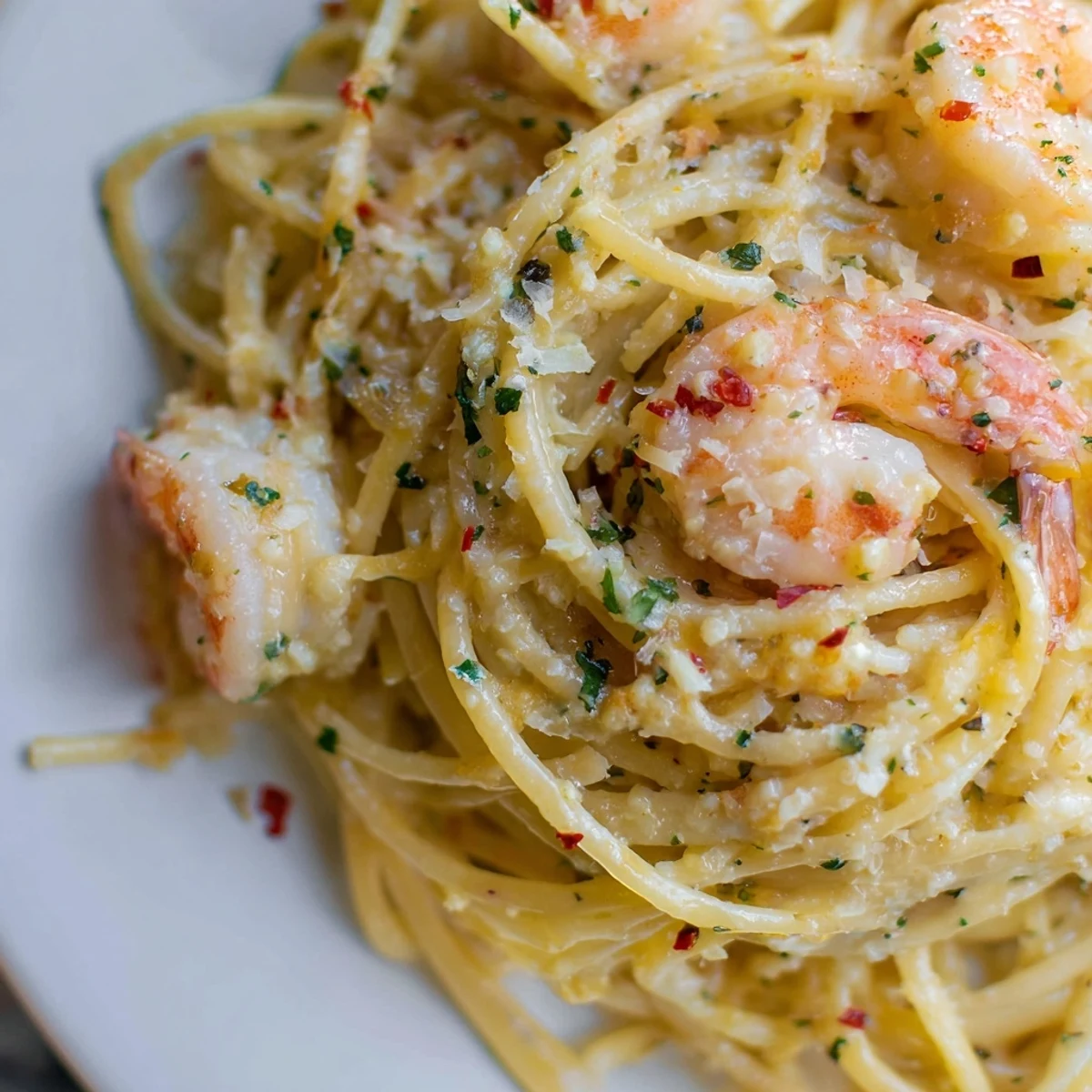
Save The best part about this dish is that moment when you toss everything together and suddenly see that silky sauce coating every strand, and you realize you're about to eat something restaurant-quality in your own kitchen. That's when I know the thirty minutes was worth it.
Why This Tastes So Good
This recipe works because it respects the shrimp instead of overpowering it. The lemon doesn't overpower; it illuminates. The butter and olive oil work together to create a sauce that's rich without being heavy, and the Parmesan adds just enough savory depth to make you want another bite. Every element has a reason for being there, and nothing fights for attention.
Timing Is Everything
The magic of this dish happens when everything finishes cooking at nearly the same moment. The pasta reaches al dente just as the shrimp turns pink, and both hit the skillet when the sauce is ready to embrace them. It's one of those recipes that teaches you to trust timing and temperature over recipe perfectionism.
Ways to Make It Your Own
Once you've made this a few times, you'll start seeing possibilities everywhere. A splash of dry white wine after the garlic adds sophistication. A handful of baby spinach wilts into something tender and earthy. A pinch more red pepper flakes if you like heat, or a touch of honey if you want to round out the acid. This recipe is flexible enough to bend to what you have and what you're craving.
- Try adding a splash of dry white wine right after the garlic for depth.
- Fresh spinach or arugula stirred in at the end adds a green earthiness that balances the brightness.
- Pair it with a crisp Pinot Grigio or Sauvignon Blanc that echoes the lemon flavors.
 Save
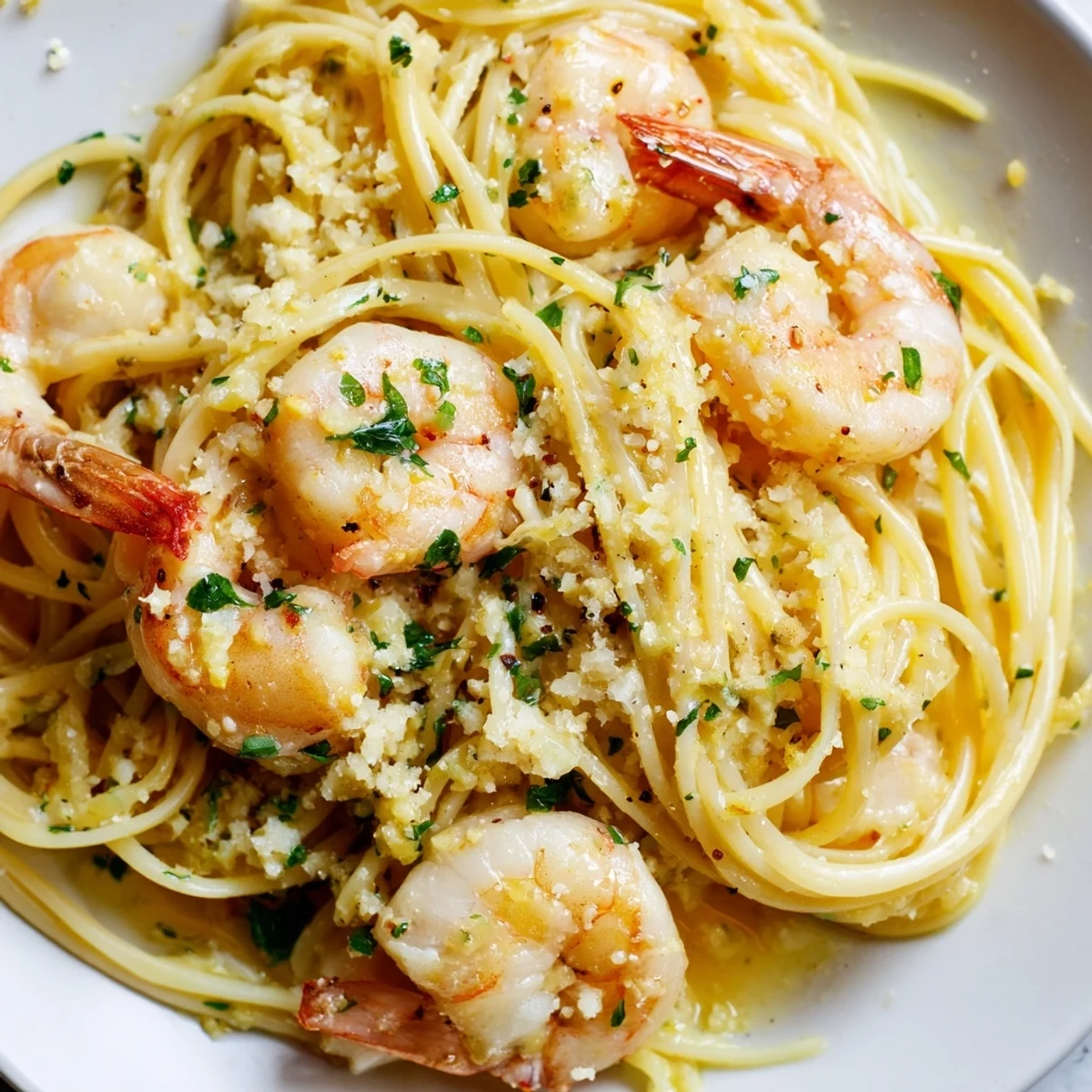
Save This is the kind of dish that earns a permanent spot in your regular rotation because it delivers every single time. Make it once, and you'll understand why it's become a go-to for anyone who wants to cook something delicious without the fuss.
Recipe FAQs
- → How can I prevent shrimp from overcooking?
-
Cook shrimp just until they turn pink and opaque, usually 1–2 minutes per side. Overcooking makes them rubbery.
- → Can I use a different pasta type?
-
Yes, linguine or fettuccine work well as alternatives to spaghetti for this dish.
- → What adds acidity to the dish?
-
Fresh lemon juice and zest provide a bright, tangy flavor that complements the shrimp and pasta.
- → Is it necessary to reserve pasta water?
-
Yes, reserved pasta water helps create a smooth sauce that clings to the noodles beautifully.
- → What can I add for a bit of heat?
-
Crushed red pepper flakes offer a subtle kick and can be adjusted to taste or omitted for a milder profile.