
 Save
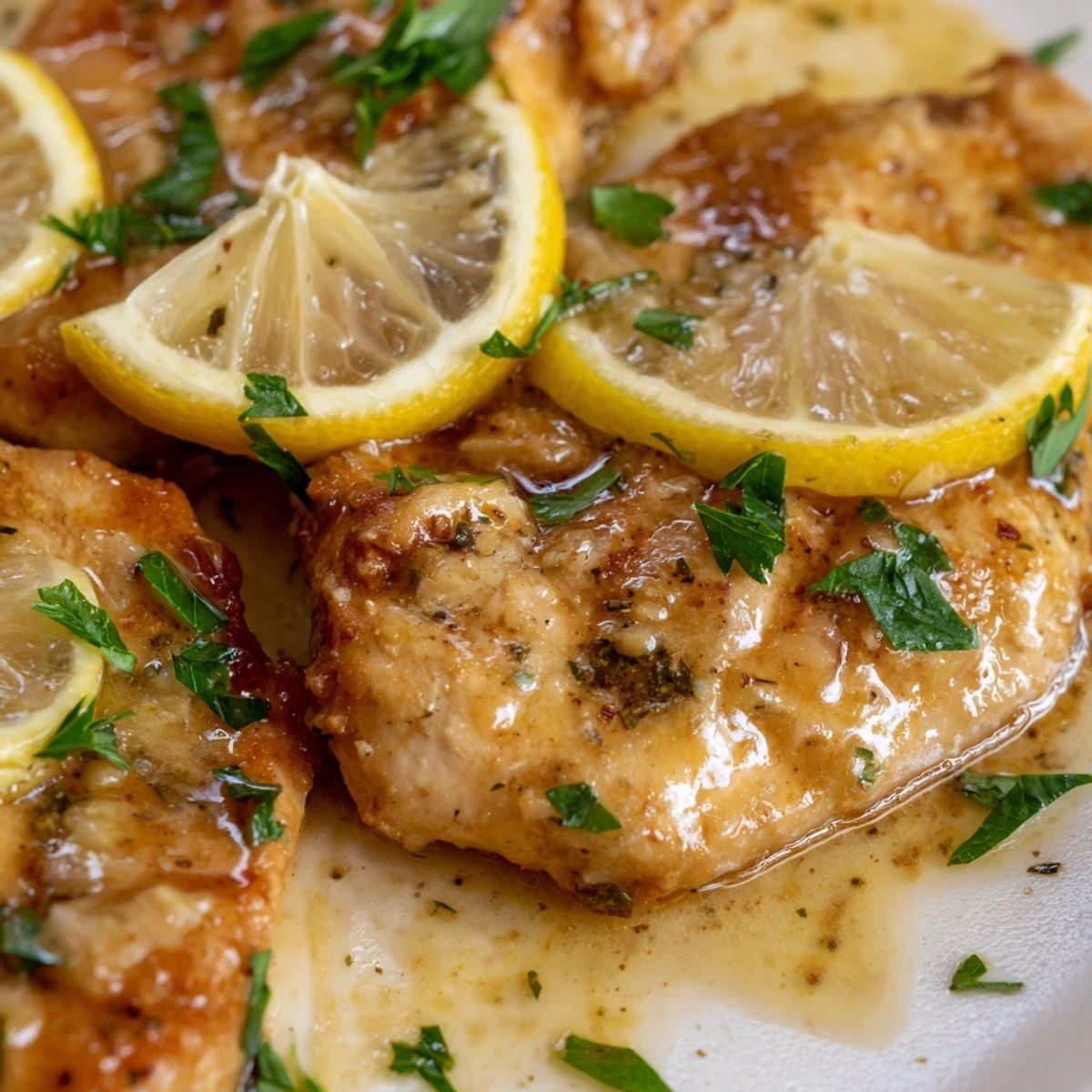
Save This dish features tender, boneless chicken breasts cooked quickly in a bright lemon-garlic sauce. The marinade blends olive oil, lemon juice, garlic, mustard, honey, and oregano, infusing the chicken with fresh, zesty flavors. After searing, the sauce is simmered with chicken broth and butter for richness. Garnished with parsley and lemon slices, it balances tanginess and savory notes. Ideal for a quick, flavorful weeknight meal or an elegant dinner, it pairs well with rice, roasted vegetables, and crisp white wines.
There's a moment when you're standing at the stove and the kitchen suddenly smells like a sun-soaked Mediterranean afternoon—that's when I knew this lemon chicken was going to be something special. My neighbor once described lemon as the brightest flavor, and after watching it transform plain chicken into something I actually looked forward to eating, I finally understood what she meant. The sharpness of fresh lemon juice paired with garlic and that whisper of honey creates a sauce so clean it feels almost effortless, yet somehow tastes like you've been cooking all day.
I made this for my sister on a Tuesday when she'd had one of those days where everything felt gray, and watching her face light up at the first bite reminded me how food can quietly shift a whole mood. She kept saying it tasted like something from a restaurant, which made me laugh because the only magic here is letting good ingredients speak for themselves.
Ingredients
- Chicken breasts: Four boneless, skinless breasts around 150 g each keep everything quick and honest—they'll cook through evenly without drying out if you pay attention.
- Olive oil: Two tablespoons of good quality makes the marinade silky and helps the chicken get golden.
- Fresh lemon juice and zest: Three tablespoons juice plus one tablespoon zest—don't skip the zest, it holds onto the lemony essence and makes the sauce feel complete.
- Garlic: Three cloves minced fine will perfume everything without overpowering the brightness.
- Dijon mustard: Just one teaspoon acts like a silent backbone, deepening the flavors without announcing itself.
- Honey: One teaspoon softens the acid just enough to make the sauce taste balanced and natural.
- Oregano: One teaspoon dried oregano whispers Mediterranean warmth into every bite.
- Salt and pepper: Half a teaspoon salt and a quarter teaspoon freshly ground pepper season everything properly.
- Unsalted butter: Two tablespoons total—one for the pan, one for finishing the sauce with silky richness.
- Chicken broth: Half a cup low-sodium lets you build sauce without overpowering the lemon.
- Fresh parsley and lemon slices: For garnish—they're not just pretty, they remind you with every glance what this dish is really about.
Instructions
- Build your marinade:
- In a bowl, whisk together the olive oil, lemon juice, zest, minced garlic, mustard, honey, oregano, salt, and pepper until everything is smooth and fragrant. This is your flavor foundation, so take a moment to smell it—you'll know it's right when it makes you hungry.
- Marinate the chicken:
- Lay your chicken breasts in a shallow dish and pour half the marinade over them, turning to coat completely. Let them sit for at least 10 minutes while you get your skillet ready, or up to an hour if you have the time—either way works beautifully.
- Sear until golden:
- Heat one tablespoon of butter in a large skillet over medium-high heat until it foams gently. Remove the chicken from the marinade (discard what touched the raw chicken) and place it skin-side down in the hot pan. Listen for that satisfying sizzle—it means the heat is right. Cook 5 to 6 minutes per side until the outside is golden and the internal temperature hits 165°F.
- Build the sauce:
- Move the cooked chicken to a plate and tent it loosely with foil to stay warm. Pour the reserved marinade and chicken broth into the same skillet, scraping up all those caramelized bits from the bottom—that's pure flavor. Let it bubble away for 3 to 4 minutes until it reduces slightly and tastes a little less sharp.
- Finish with butter:
- Remove the pan from heat and whisk in the remaining tablespoon of butter, which makes the sauce silky and complete. Return the chicken to the pan, spoon sauce over everything, and let it warm through for just a minute.
- Plate and serve:
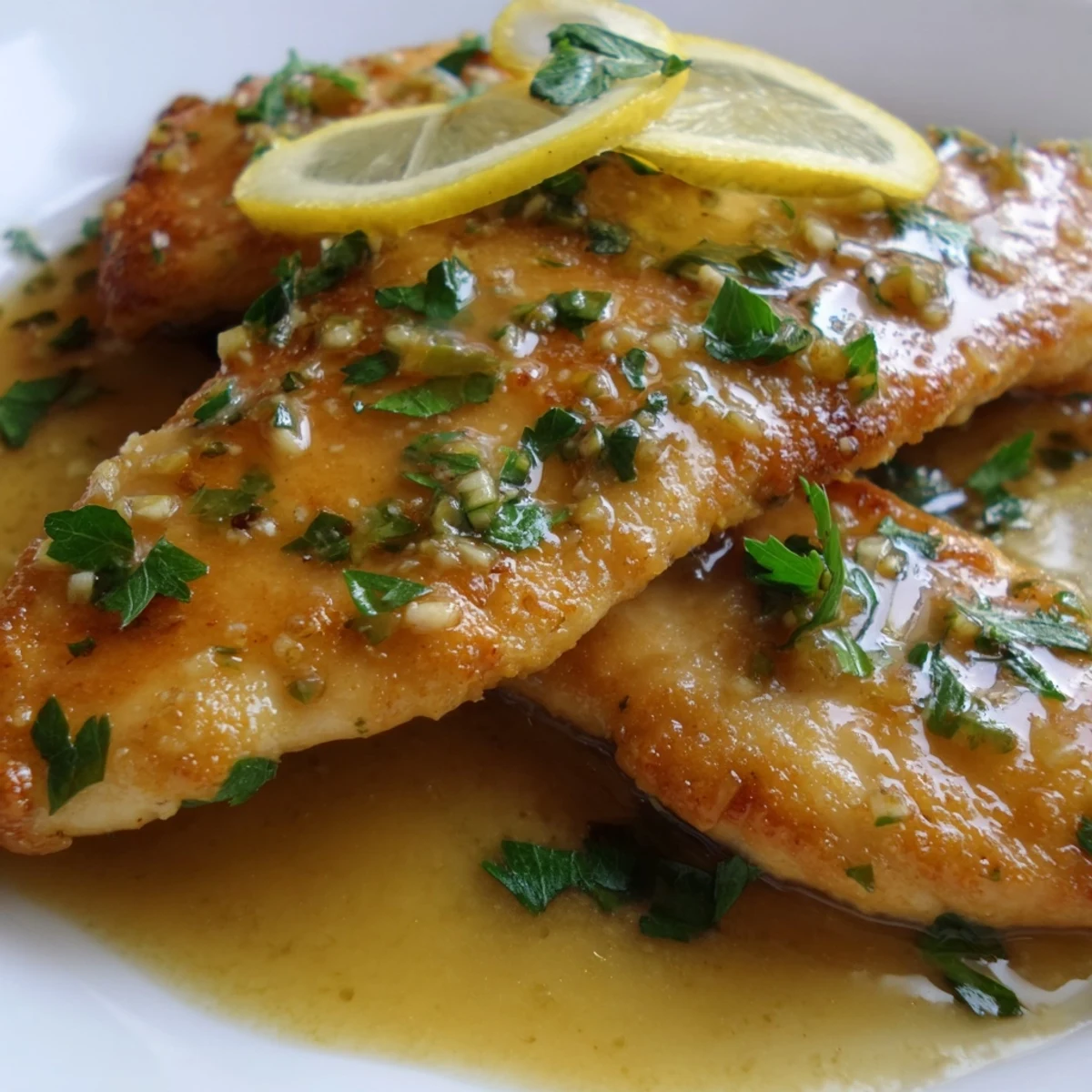
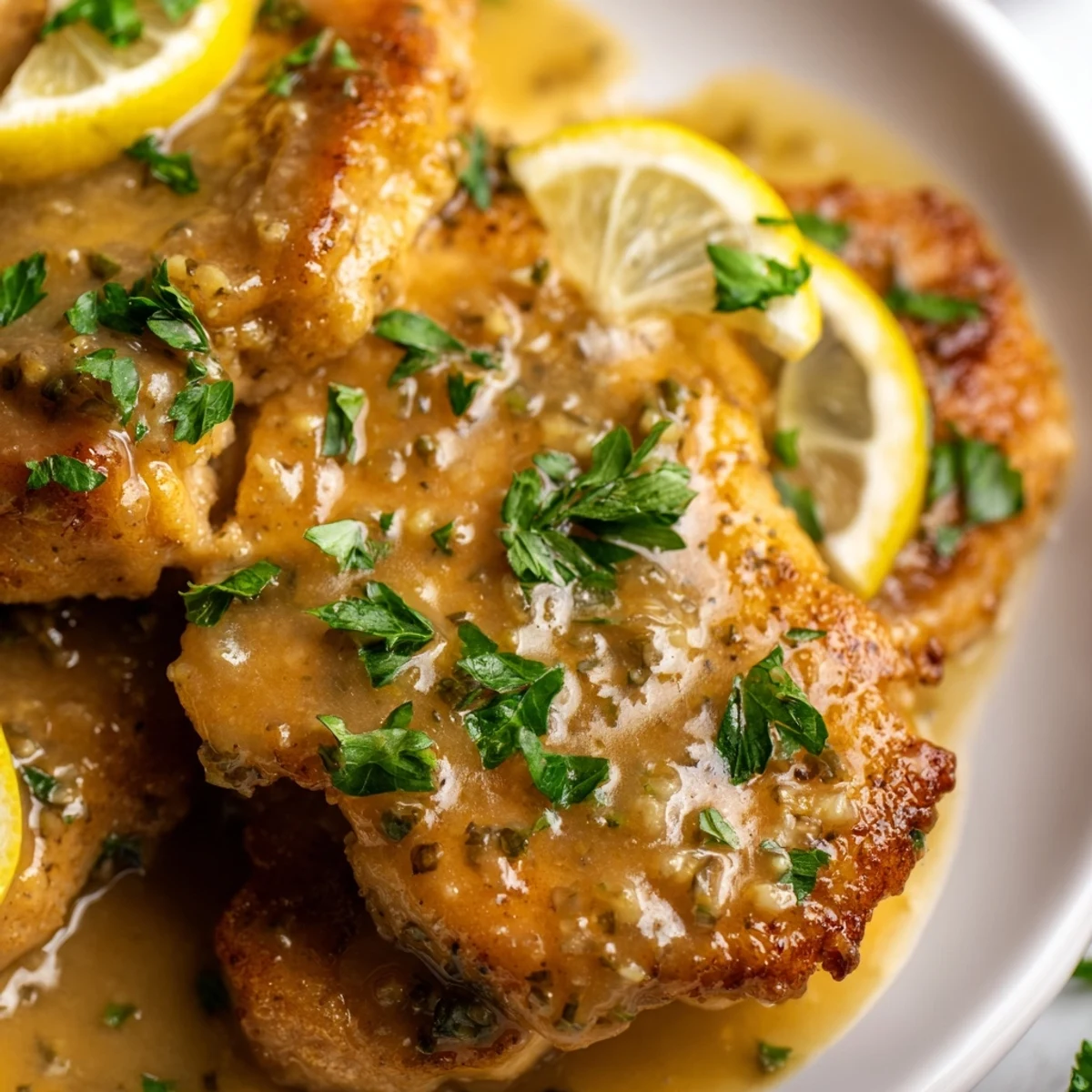
- Set each chicken breast on a plate, spoon the sauce around it, and finish with a scatter of fresh parsley and a few lemon slices for a final pop of brightness.
 Save
Save There's something almost quiet about serving this dish—no loud spices competing, no complicated techniques to worry about, just clean flavors that make you feel a little smarter and brighter. It's the kind of meal that reminds you why people cook in the first place.
Why This Sauce Works So Well
The magic here is balance—lemon provides brightness, garlic adds depth, mustard creates umami undertones, and honey smooths everything into harmony. I learned early on that fighting against the acid with too much salt doesn't work; instead, a tiny bit of honey and that final whisper of butter turn the sauce into something that tastes intentional and complete. The butter at the end isn't just richness, it's the moment when sharp flavors suddenly feel like they belong together.
Timing and Temperature Matter
Chicken breasts are forgiving if you're careful, but overcook them by even a few minutes and they turn dry and sad. An instant-read thermometer removes the guesswork entirely—165°F is the target, and pulling the chicken at exactly that temperature is the difference between good and genuinely delicious. I used to cut into chicken at the table to check, which was both inefficient and embarrassing.
Beyond the Basic Recipe
This is a foundation that welcomes small changes depending on what you have and what you're craving. Some nights I stir in a splash of heavy cream for something richer, other times I let the sauce stay bright and pure. The dish works equally well with chicken thighs if you prefer darker meat with deeper flavor, just add a few extra minutes to the cooking time. Pair it with rice to soak up sauce, roasted potatoes for comfort, or steamed vegetables if you want to keep things light.
- A crisp Sauvignon Blanc or Pinot Grigio makes everything taste even fresher, which is worth remembering at dinner time.
- Leftovers keep beautifully for two days and actually taste better as the flavors settle, making this a sneaky good meal-prep option.
- Fresh parsley is non-negotiable at the end—it's the final reminder that this dish is about brightness and life.
 Save
Save This lemon chicken has become my answer to the question 'what should we eat?' because it delivers restaurant-quality flavor without the stress or time commitment. It's proof that simplicity, when done with care and good ingredients, is never boring.
Recipe FAQs
- → How long should I marinate the chicken?
-
Marinate the chicken for at least 10 minutes to infuse it with flavor, but up to 1 hour allows for deeper taste absorption.
- → Can I use chicken thighs instead of breasts?
-
Yes, chicken thighs can be used. Adjust cooking time slightly to ensure they are cooked through and tender.
- → What can I serve alongside this dish?
-
Rice, roasted potatoes, or steamed vegetables complement the bright flavors beautifully.
- → How can I make the sauce creamier?
-
Stir in 2 tablespoons of heavy cream at the end of cooking to add richness and creaminess.
- → What wines pair well with this dish?
-
A crisp Sauvignon Blanc or Pinot Grigio enhances the lemon and garlic flavors without overpowering them.