
 Save
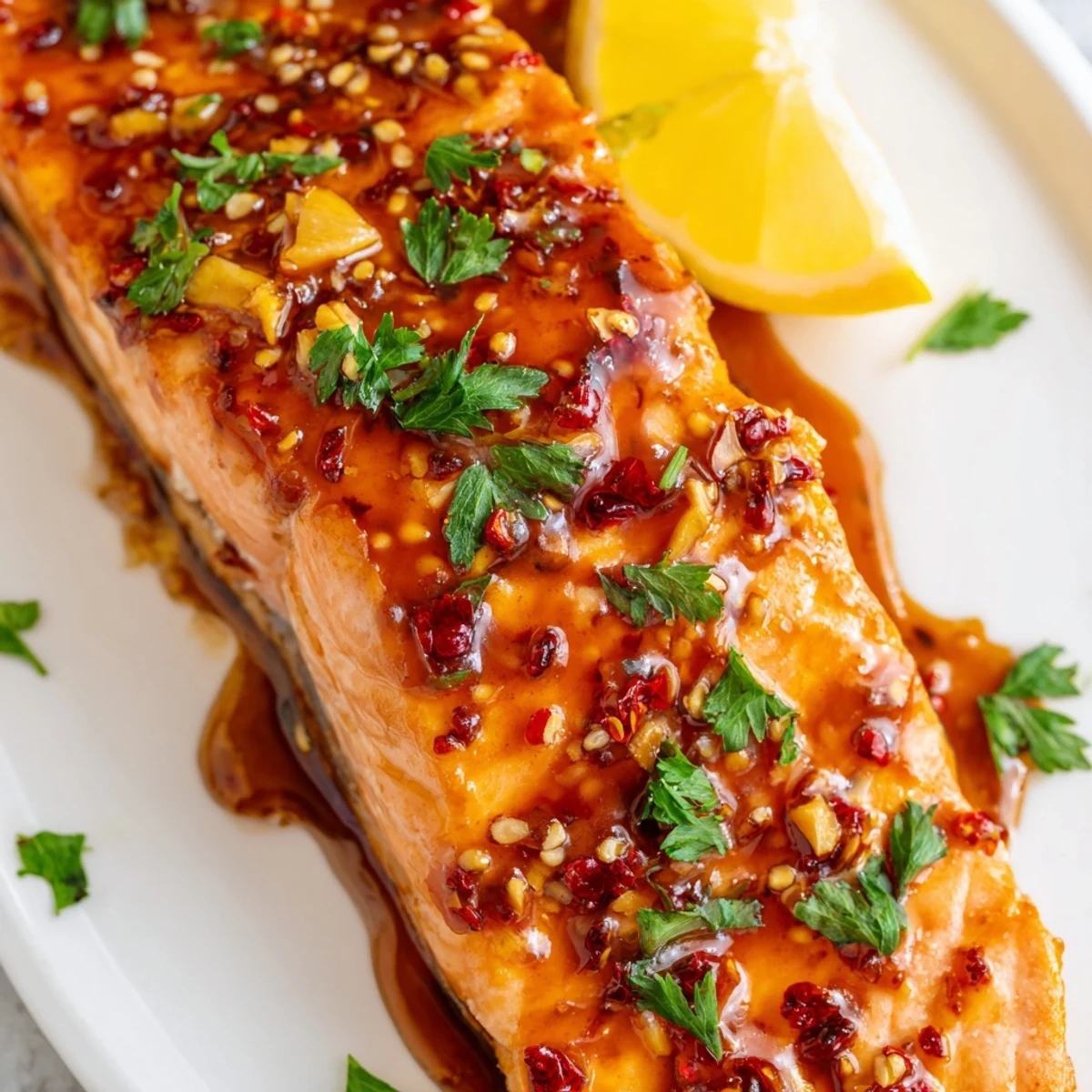
Save This dish creates perfectly flaky salmon with a rich, sticky glaze. Start by seasoning fresh fillets and brushing them with a savory honey garlic mixture. Bake until the fish is opaque and tender. Simmer the remaining sauce to thicken it, then pour it over the cooked fish for a burst of sweet and tangy flavor in every bite.
There's something about the smell of salmon hitting a hot pan that instantly reminds me of my aunt's kitchen on Sunday afternoons, where she'd somehow make dinner feel like an occasion even on the busiest days. She taught me that good fish doesn't need much—just heat, a touch of acid, and something sweet to balance it all out. I've been making this honey garlic version for years now, tweaking it slightly each time until it became the one thing people actually request when they know I'm cooking. It's become my go-to proof that elegant food doesn't require hours or complicated techniques.
I made this last spring for my partner's coworkers who were visiting, and I remember being nervous about keeping salmon moist—it's the one thing home cooks seem genuinely afraid of. But this method, where the sauce goes on halfway through, creates this protective glaze that keeps everything tender while the edges get slightly caramelized and sticky. Everyone went quiet during that first bite, which is always the best compliment a cook can get.
Ingredients
- Salmon fillets: Look for ones that are roughly the same thickness so they bake evenly; thinner ends cook faster and can dry out if you're not careful.
- Olive oil: Just enough to create a light barrier between fish and pan, nothing extravagant here.
- Salt and black pepper: Don't skip the seasoning step; it wakes up the natural flavors of the salmon before the sauce even arrives.
- Honey: The sweetness mellows out the sharp garlic and creates that glossy, sticky finish you're after.
- Soy sauce: This is your umami anchor, the thing that makes the sauce taste deep and intentional rather than just sweet.
- Garlic: Minced fine so it distributes evenly through the sauce and gets slightly caramelized when simmered down.
- Fresh lemon juice: The brightness cuts through richness and keeps the dish from feeling heavy, even though it's genuinely satisfying.
- Red pepper flakes: Optional but worth the tiny jar space; they add a whisper of heat that balances everything beautifully.
- Fresh parsley: A handful scattered on top looks intentional and adds a fresh green note that feels sophisticated without being fussy.
Instructions
- Get your oven ready and your salmon dry:
- Preheat to 400°F and line your sheet with parchment—this prevents sticking and makes cleanup feel like a bonus prize. Pat the salmon completely dry with paper towels because moisture is the enemy of a good sear on the edges; any water drops will steam instead of caramelize.
- Season and oil your fillets:
- Place them skin-side down on your prepared sheet, then drizzle lightly with olive oil and season generously with salt and pepper. This is when the fish starts to tell you it's ready to be transformed, and you can already sense the flavors building.
- Mix your magic sauce:
- Whisk together honey, soy sauce, minced garlic, lemon juice, and red pepper flakes in a small bowl until everything looks glossy and combined. Taste it with a clean spoon—it should make your mouth water, not pucker or cloy.
- Apply the first coat:
- Spoon about half the sauce directly over each fillet, letting it pool slightly around the edges. This first application will bake right into the fish and set the flavor foundation.
- Bake until just done:
- Slide everything into the oven for 12 to 15 minutes; you're looking for the flesh to turn opaque and flake easily when you test it with a fork. Overcooked salmon becomes dry and disappointed, so start checking at the 12-minute mark.
- Finish the sauce:
- While the salmon cooks, pour the remaining sauce into a small saucepan and bring it to a gentle simmer over medium heat for 2 to 3 minutes. You'll watch it thicken slightly and deepen in color, concentrating all those flavors into something irresistible.
- Final glaze and serve:
- Pull the salmon from the oven and brush or spoon the thickened sauce over each fillet, letting it pool in all the right places. Scatter parsley on top and serve immediately with lemon wedges on the side.
 Save
Save There was one winter evening when I made this for someone I was trying to impress, and I remember how they paused mid-bite and said, simply, that it tasted like something they'd remember—and that's when I realized this recipe had become more than just efficient cooking. It was a small gesture that somehow conveyed care, attention, and confidence all at once.
The Secret Life of Glazes
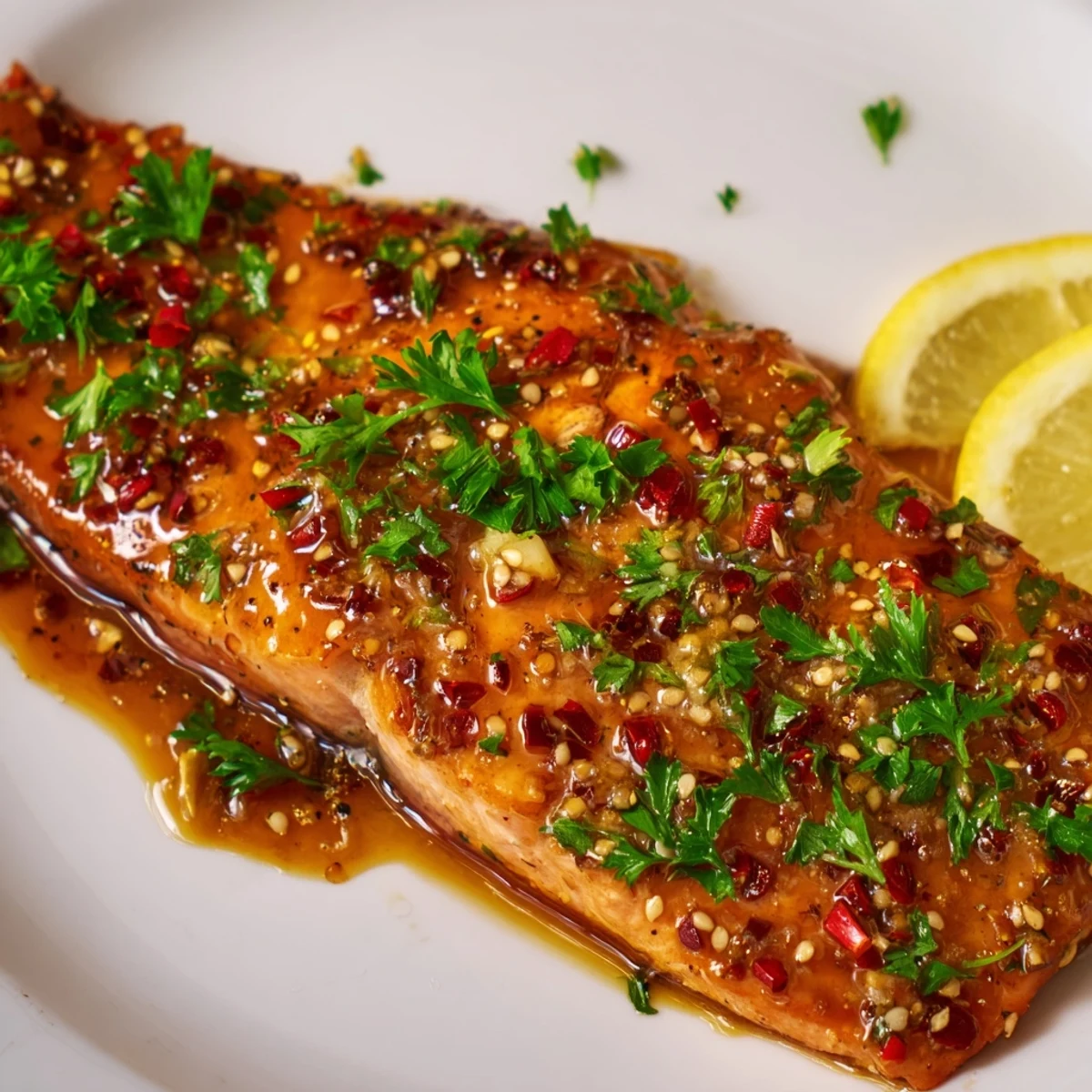
The real magic happens when you split your sauce into two parts—the raw one that bastes the fish and the cooked one that becomes syrupy and concentrated. This approach is something I borrowed from my years of experimenting with different techniques, and it changed everything about how my salmon turns out. The baked-on first layer flavors the fish from within, while the simmered second coat becomes this glossy, almost caramelized finish that catches the light and makes people think you've been cooking all day.
Why This Works on Any Night
I keep coming back to this recipe because it solves a problem most home cooks face: how to make something that feels restaurant-quality without stress or difficult techniques. The timeline is honest—25 minutes from nothing to plated—and every single step is something you can watch and adjust, not something hidden away in the oven. It's the kind of meal that works on a random Tuesday or when people are coming over, which is the highest compliment I can give any recipe.
Serving and Substitutions
The sauce pairs as beautifully with rice as it does with roasted vegetables, which makes this endlessly flexible depending on what you have in the pantry and what your mood calls for. Some nights I steep it with steamed bok choy, other times with quinoa that soaks up every drop of sauce, and those variations have become part of the recipe's charm rather than departures from it.
- If you want deeper sweetness, swap in maple syrup for the honey and watch the sauce take on a different amber richness.
- Fresh ginger minced alongside the garlic adds warmth and complexity that elevates the whole dish without making it feel unfamiliar.
- A crisp white wine like Sauvignon Blanc is the obvious pairing, but even a light rosé works beautifully if that's what's open on the counter.
 Save
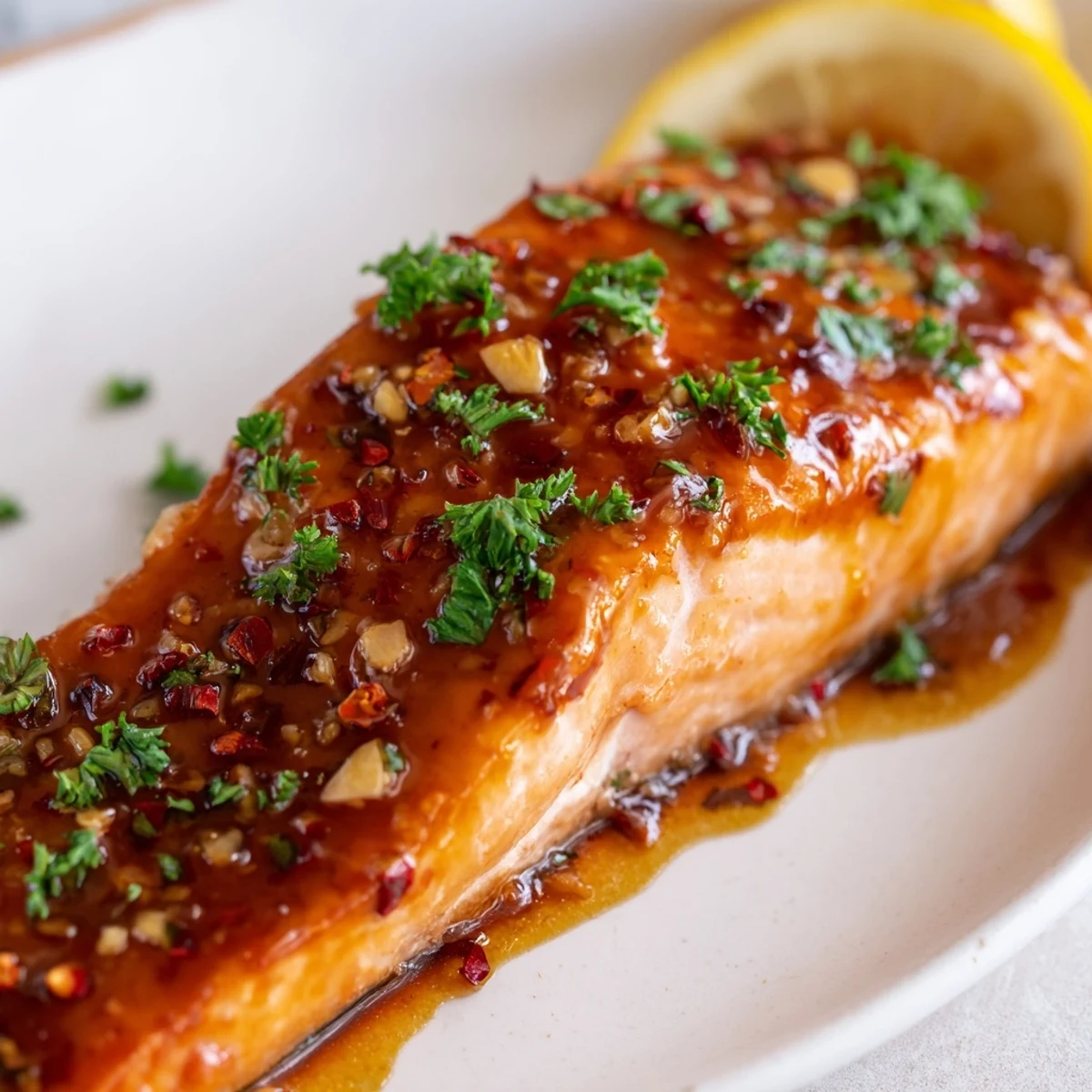
Save This is the meal I reach for when I want to feel like I'm taking care of someone, including myself—it's nourishing, honest, and never pretentious. Every time I make it, I'm grateful for how a few simple ingredients can create something that tastes both timeless and entirely mine.
Recipe FAQs
- → How do I know when the salmon is fully cooked?
-
The salmon is ready when it flakes easily with a fork and the flesh is opaque throughout.
- → Can I use frozen salmon fillets?
-
Yes, ensure you thaw the fish completely in the refrigerator overnight and pat it dry before applying the glaze.
- → What can I substitute for honey?
-
Maple syrup is an excellent alternative that provides a slightly deeper woodsy sweetness to the dish.
- → Is this dish spicy?
-
It is not inherently spicy, but you can adjust the heat by adding more or less crushed red pepper flakes.
- → How should I store leftovers?
-
Place leftovers in an airtight container and refrigerate for up to two days, though it is best enjoyed fresh.