
 Save
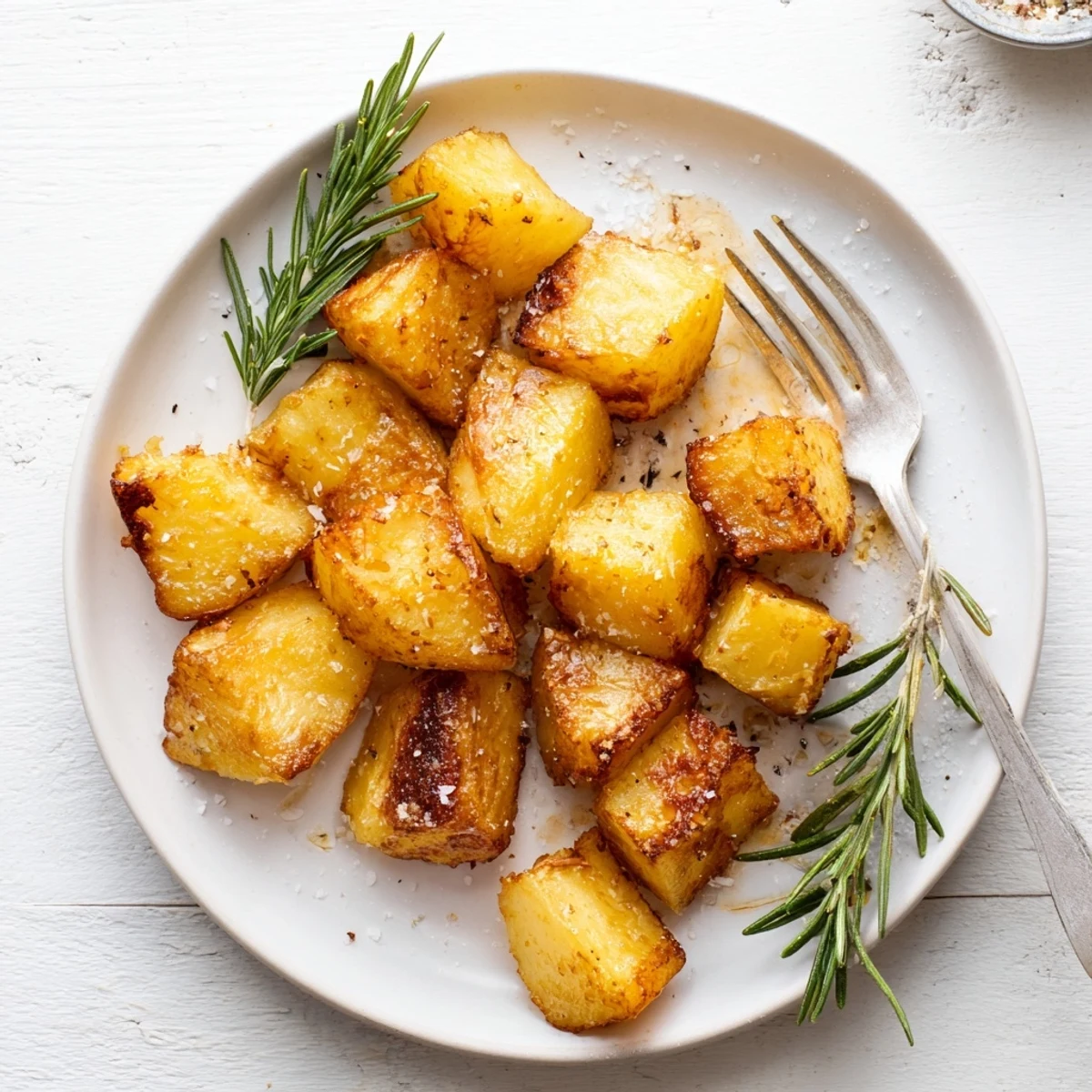
Save Master the art of creating perfect roast potatoes with golden crispy exteriors and light fluffy interiors. This classic British technique uses floury potatoes like Maris Piper or Yukon Gold, parboiled to roughen the edges then roasted in hot duck fat or vegetable oil until beautifully bronzed and crisp.
The secret lies in heating your fat and roasting tray before adding the potatoes, ensuring instant sizzling contact for maximum crunch. Season with sea salt flakes and fresh herbs like rosemary or thyme for aromatic depth. These versatile potatoes complement any main course, from Sunday roasts to weekday dinners.
Last Christmas, my uncle leaned over the serving dish and whispered, 'These are the only reason I come to dinner.' A bit dramatic, sure, but when you've spent forty years perfecting roast potatoes, you learn to take the compliment. The secret isn't some mysterious technique—it's patience and really hot fat.
I made these for my vegetarian friend who'd resigned herself to sad side dishes at dinner parties. Watching her face light up after the first bite—she actually said she'd take these over roast chicken any day. That's when I knew a truly great roast potato can steal the entire show.
Ingredients
- Floury potatoes: Maris Piper or Yukon Gold work beautifully here because their high starch content creates that irresistible fluffy interior we're all after.
- Salt for boiling: This seasons the potatoes from the inside out, so don't skip it even if it feels excessive.
- Vegetable oil or animal fat: Duck or goose fat delivers incredible flavor, but good vegetable oil creates excellent crispiness for a vegetarian option.
- Sea salt flakes: These finish the potatoes with a satisfying crunch and distribute more evenly than fine table salt.
- Fresh rosemary or thyme: Optional, but tossing a few sprigs into the hot fat infuses the potatoes with aromatic warmth that guests will notice.
Instructions
- Preheat your roasting tray:
- Get that tray screaming hot in a 220°C (430°F) oven while you prep everything else. This initial blast of heat is what creates the golden crust immediately upon contact.
- Parboil the potatoes:
- Simmer the chunks for about 10 minutes until the edges start to soften but centers remain firm. Drain and let them steam dry for a couple of minutes—excess water prevents crisping.
- Roughen the edges:
- Return the potatoes to the warm pan and give them a gentle shake. This creates little rough surfaces that will become wonderfully crispy in the hot fat.
- Coat with fat:
- Pour your hot oil or fat over the potatoes and toss carefully until each piece is glistening and evenly coated. The fat should sizzle as it hits the potatoes.
- Roast to golden perfection:
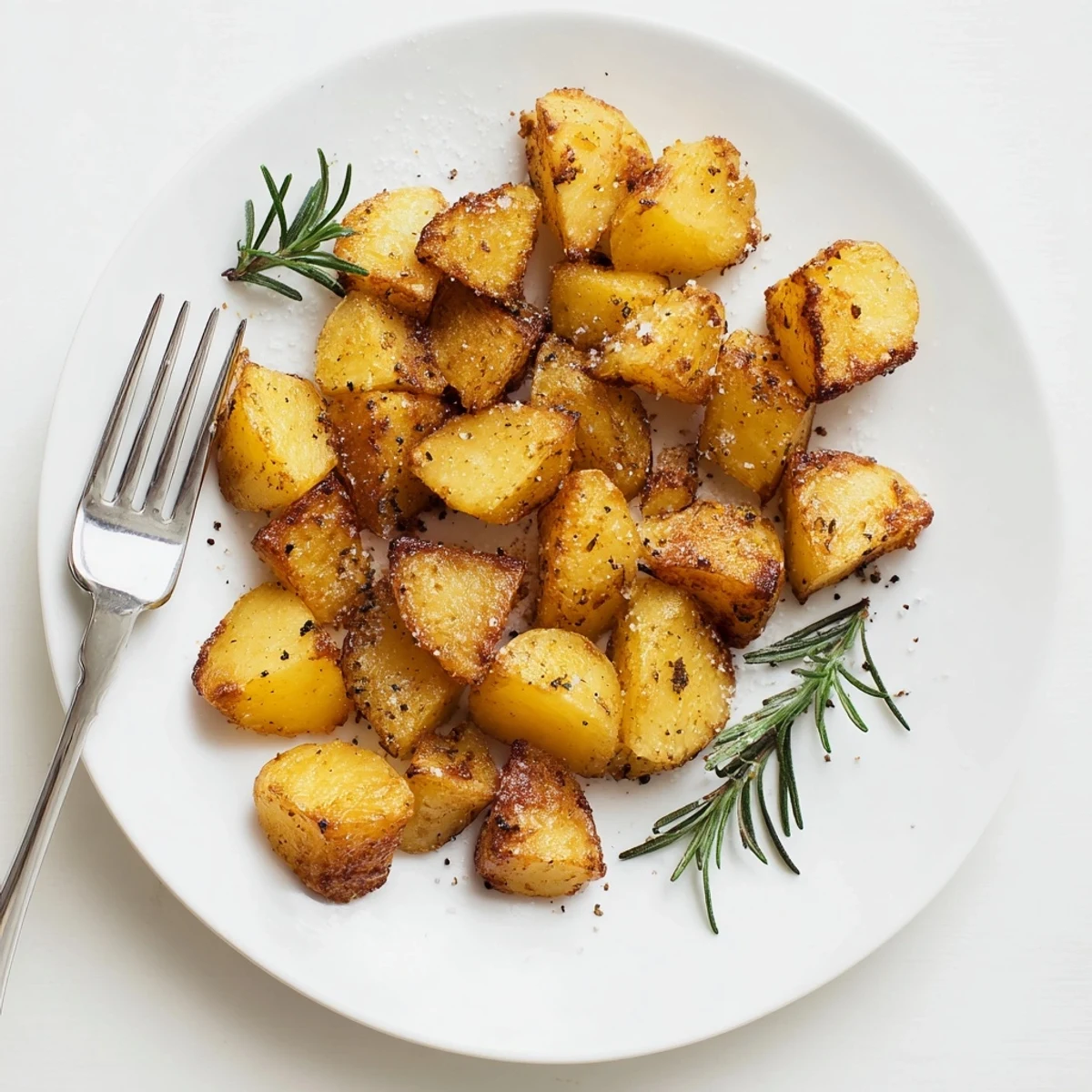
- Spread the potatoes in a single layer on your preheated tray and roast for 45 minutes total, turning every 20 minutes or so, until they're deeply golden and crisp all over.
 Save
Save These became a Christmas tradition after my sister refused to eat roast potatoes for years because she'd only ever had soggy disappointments. Now she requests them for every holiday gathering, and I've learned that sometimes the simplest dishes carry the most emotional weight.
Choosing Your Fat
Animal fats like duck or goose have been traditional for centuries because they create an unparalleled crispiness and add rich depth. Vegetable oil works exceptionally well too, especially if you're cooking for vegetarians or want a lighter option. I've experimented with coconut oil, which adds subtle sweetness but requires attention because it browns faster at high temperatures.
The Parboiling Process
Starting potatoes in cold water helps them cook evenly throughout, preventing that unpleasant raw center while the exterior falls apart. The roughening step might seem fussy, but those ragged edges are exactly where the crispy magic happens. I once tried skipping this step to save time, and everyone noticed the difference immediately.
Serving and Storage
Roast potatoes lose their irresistible texture quickly, so serve them immediately while they're still sizzling hot. If you're planning ahead, parboil and roughen the potatoes then freeze them—they roast beautifully from frozen and actually crisp up even better. Just add a few extra minutes to the cooking time and adjust seasoning before serving.
- Keep them in a warm oven (not too hot or they'll dry out) if you need to hold them briefly before serving.
- Leftovers make an excellent breakfast hash with a fried egg on top.
- Never refrigerate leftover roast potatoes unless you plan to repurpose them, as the texture will become disappointingly soft.
 Save
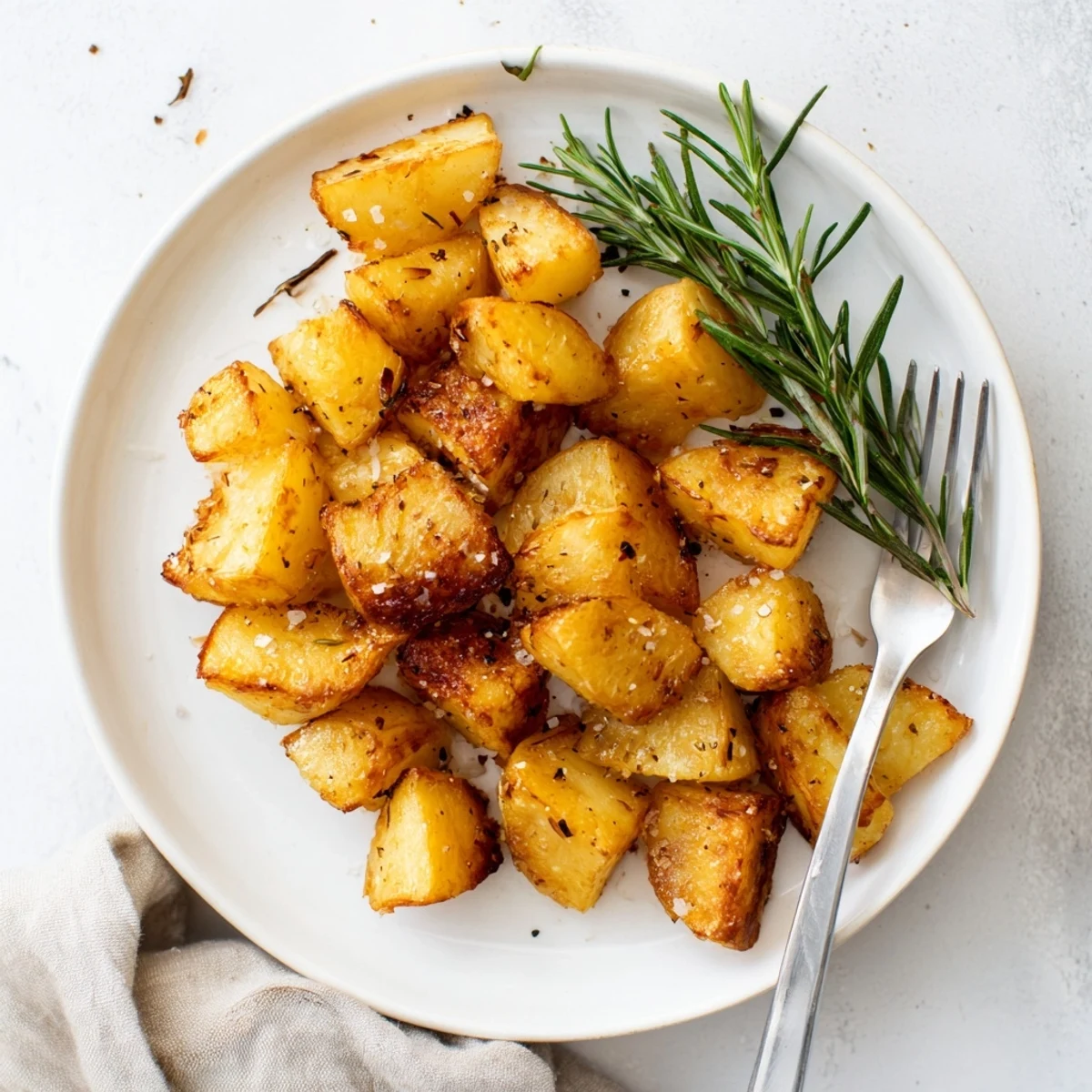
Save There's something deeply satisfying about serving a platter of perfectly roasted potatoes and watching them disappear. Simple food, done with care, is often what people remember most fondly.
Recipe FAQs
- → Which potatoes are best for roasting?
-
Floury varieties like Maris Piper, Yukon Gold, or Russet work best. Their high starch content creates fluffy interiors while developing crispy exteriors during roasting.
- → Why parboil potatoes before roasting?
-
Parboiling softens the edges and creates a rough surface when shaken. This textured exterior ensures better fat absorption and superior crisping during the roasting process.
- → Can I prepare these potatoes ahead?
-
Yes, parboil and roughen the potatoes then freeze them uncooked. Roast directly from frozen, adding 5-10 minutes to the cooking time for convenience.
- → What fat makes the crispiest potatoes?
-
Duck or goose fat delivers exceptional flavor and crispiness due to their high smoke point and rich taste. Vegetable oil works perfectly as a vegetarian alternative.
- → How do I prevent soggy roast potatoes?
-
Always drain parboiled potatoes well and let them steam dry for 2 minutes. Shake to roughen edges, use piping hot fat, and arrange in a single layer without overcrowding the tray.
- → What temperature should roast potatoes be cooked at?
-
220°C (430°F) provides the ideal heat for creating crispy skins while cooking the interior through. High heat ensures proper caramelization and golden coloring.