
 Save
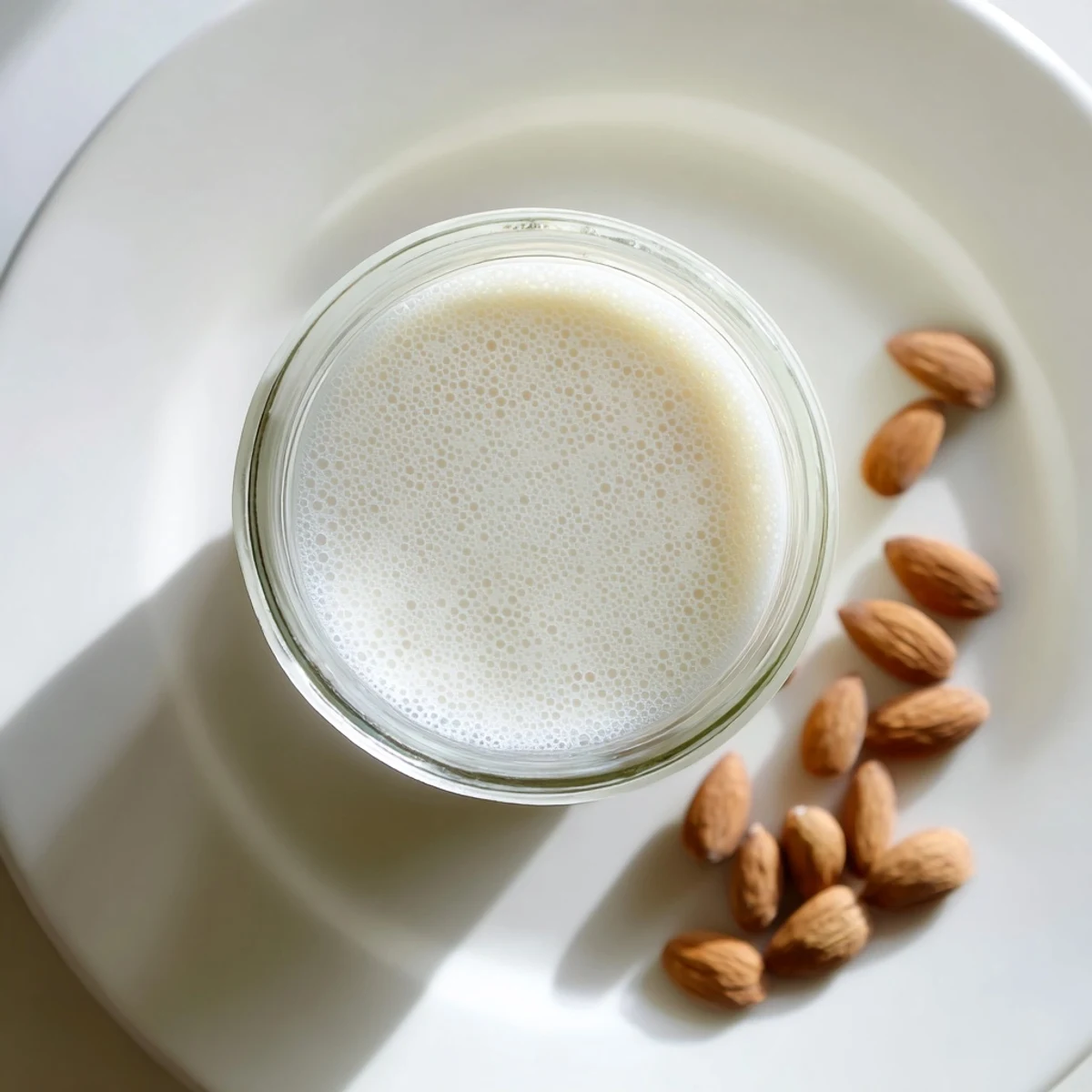
Save This creamy almond milk comes together in just 10 minutes using simple raw almonds and filtered water. The process involves soaking the nuts overnight, blending until smooth and frothy, then straining through a nut milk bag or fine mesh strainer for silky results. Customize with maple syrup, vanilla, or dates for sweetness. Store in the refrigerator for up to 4 days and shake well before serving. Save the leftover almond pulp for smoothies, baking, or energy balls.
The blender roared at six in the morning, shaking the entire countertop, and my roommate stumbled out of her bedroom convinced I was remodeling the kitchen. All I wanted was fresh almond milk for my coffee. That first batch turned out so silky and sweet that I never went back to the carton stuff again.
I started making this every Sunday, filling old maple syrup bottles with fresh milk and lining them up in the fridge like little trophies. My neighbor caught wind of the routine and started trading me sourdough bread for a liter every week. That barter system lasted an entire winter.
Ingredients
- Raw almonds (1 cup): Use truly raw, not roasted or salted, because the soak depends on it and the flavor stays clean and delicate.
- Filtered water (4 cups): Good water matters here since it is half the recipe and tap water can introduce off flavors.
- Maple syrup (1 to 2 tablespoons, optional): A gentle sweetener that blends seamlessly and keeps things vegan if that matters to you.
- Vanilla extract (1 teaspoon, optional): Adds warmth and rounds out the flavor beautifully without overpowering the almond.
- Sea salt (a pinch, optional): Just enough to make the sweetness pop and deepen the overall taste.
- Pitted dates (1 to 2, optional): Blend these in for a caramel like sweetness that maple syrup cannot quite replicate.
Instructions
- Soak the almonds:
- Cover the almonds with plenty of water and leave them on the counter overnight, or for at least eight hours, until they look plump and you can pinch one apart easily.
- Drain and rinse:
- Dump the soaking water and rinse the almonds thoroughly under the tap until the water runs clear and all the cloudy residue is gone.
- Blend everything:
- Toss the soaked almonds into your blender with four cups of fresh filtered water and any optional flavorings, then run it on high for one to two minutes until the mixture looks creamy, pale, and frothy on top.
- Strain the milk:
- Pour the blended mixture through a nut milk bag or fine mesh strainer into a large bowl, then squeeze with all your might to extract every last drop of liquid gold.
- Store and enjoy:
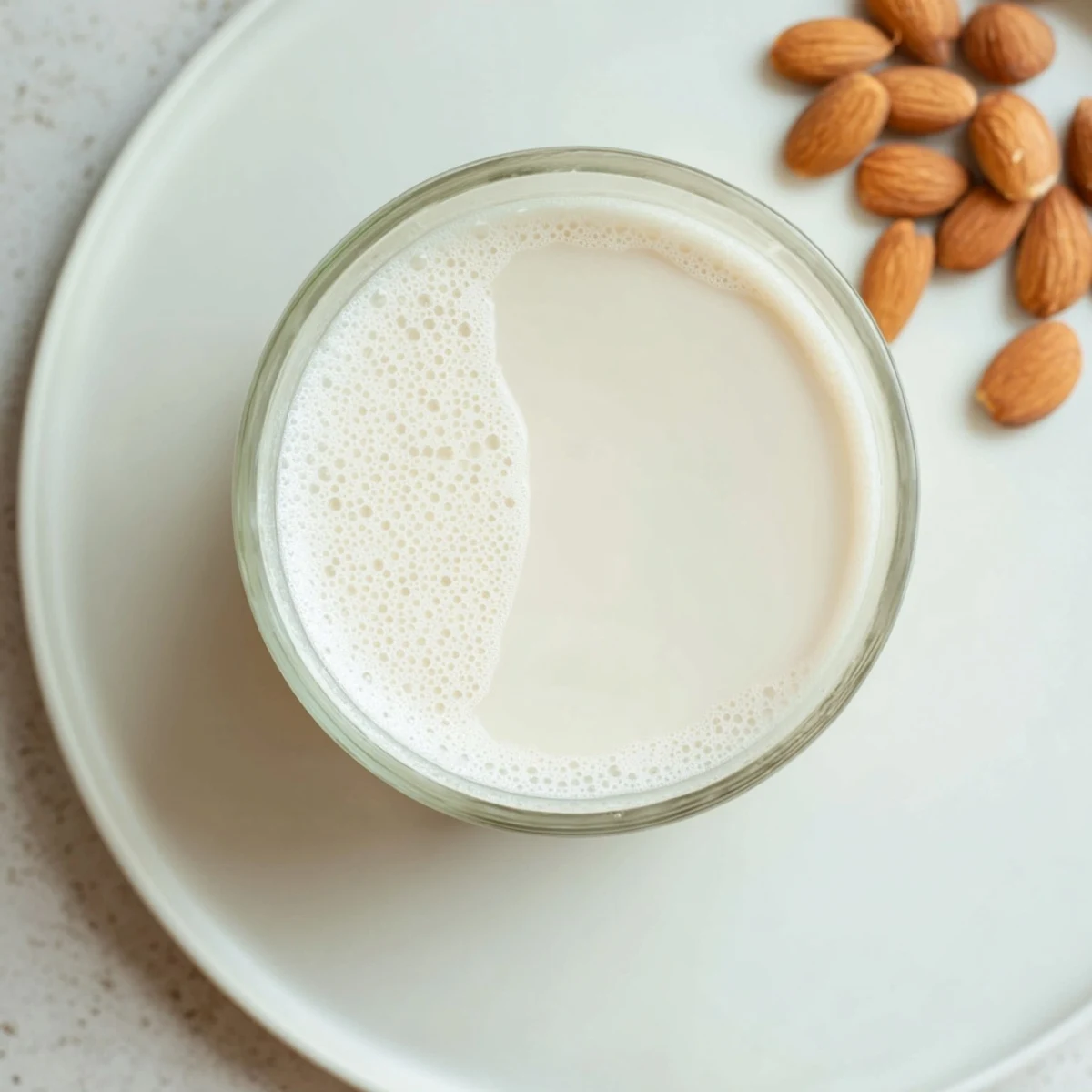
- Transfer the strained milk into a clean glass bottle or jar, pop it in the refrigerator, and give it a vigorous shake before each use since separation is completely natural.
 Save
Save The almond pulp left behind is not garbage. I spread it on a baking sheet, dried it low and slow in the oven, and ended up with homemade almond flour that made the best cookies I have ever awkwardly attempted at midnight.
Getting the Texture Right
The ratio of almonds to water controls everything about the final consistency. Four cups of water to one cup of soaked almonds gives you something close to whole milk, rich enough for coffee and cereal alike. If you want something lighter, bump it to five or even six cups, but go too far and you end up with something that tastes like almond flavored water.
Flavor Variations Worth Trying
A tablespoon of cocoa powder blended in at the end turns this into a chocolate milk that children and adults will fight over. Cinnamon, a splash of strong coffee, or even a handful of frozen berries create entirely different drinks from the same base recipe. I went through a phase where I added a pinch of cardamom every morning and it made my oatmeal taste like it came from a fancy cafe.
Storage and Shelf Life
Fresh almond milk lasts about four days in the refrigerator, which sounds short until you realize how quickly you will go through it. Label your bottle with the date if you tend to lose track of time in the fridge.
- Freeze extra milk in ice cube trays for smoothies later in the week.
- Never store it in the blender jar because the residual blade friction warms it unevenly.
- Trust your nose above any date label because fresh milk smells sweet and off milk smells sourly unmistakable.
 Save
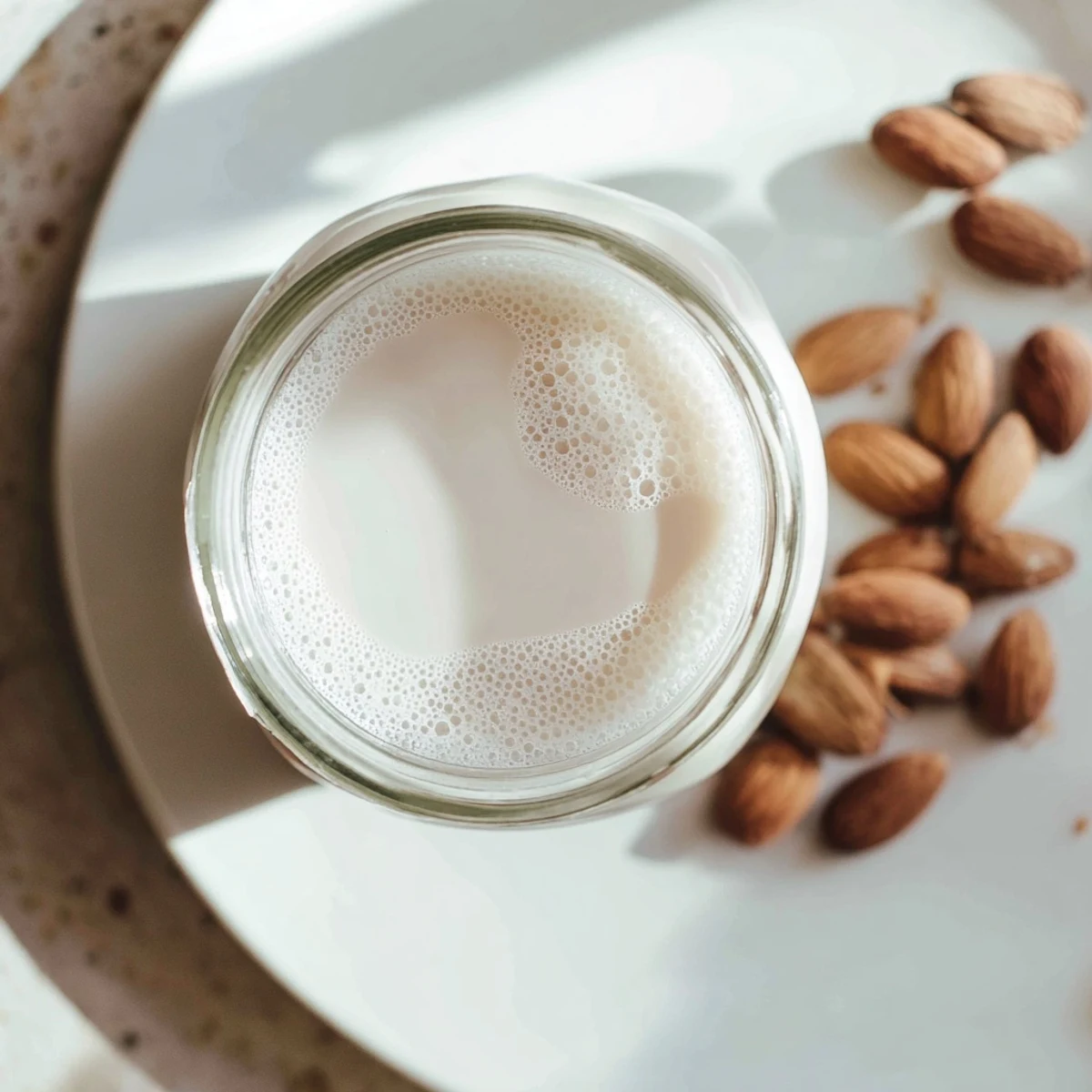
Save There is something deeply satisfying about pouring milk you made yourself, knowing exactly what went into it and tasting the difference with every sip. Your morning coffee deserves this upgrade.
Recipe FAQs
- → Do I really need to soak the almonds overnight?
-
Yes, soaking softens the almonds and makes them easier to blend, resulting in smoother milk. Aim for at least 8 hours, or up to 12 hours for the creamiest texture.
- → Can I make almond milk without a nut milk bag?
-
A nut milk bag works best, but you can use a fine mesh strainer, cheesecloth, or even a clean thin dish towel. Press firmly to extract all the liquid.
- → How long does homemade almond milk last?
-
Keep refrigerated in a sealed glass container and use within 4-5 days. Shake well before pouring, as separation is natural.
- → What can I do with the leftover almond pulp?
-
Don't toss it! Dry the pulp in the oven at low temperature and use in baking, smoothies, energy balls, or as a flour substitute in recipes.
- → Can I skip the sweeteners?
-
Absolutely. Plain almond milk has a naturally subtle sweetness. Add maple syrup, dates, or honey only if you prefer it sweeter.
- → Is homemade cheaper than store-bought?
-
Yes, making your own costs significantly less per liter and you control exactly what goes into it—no preservatives or additives needed.