
 Save
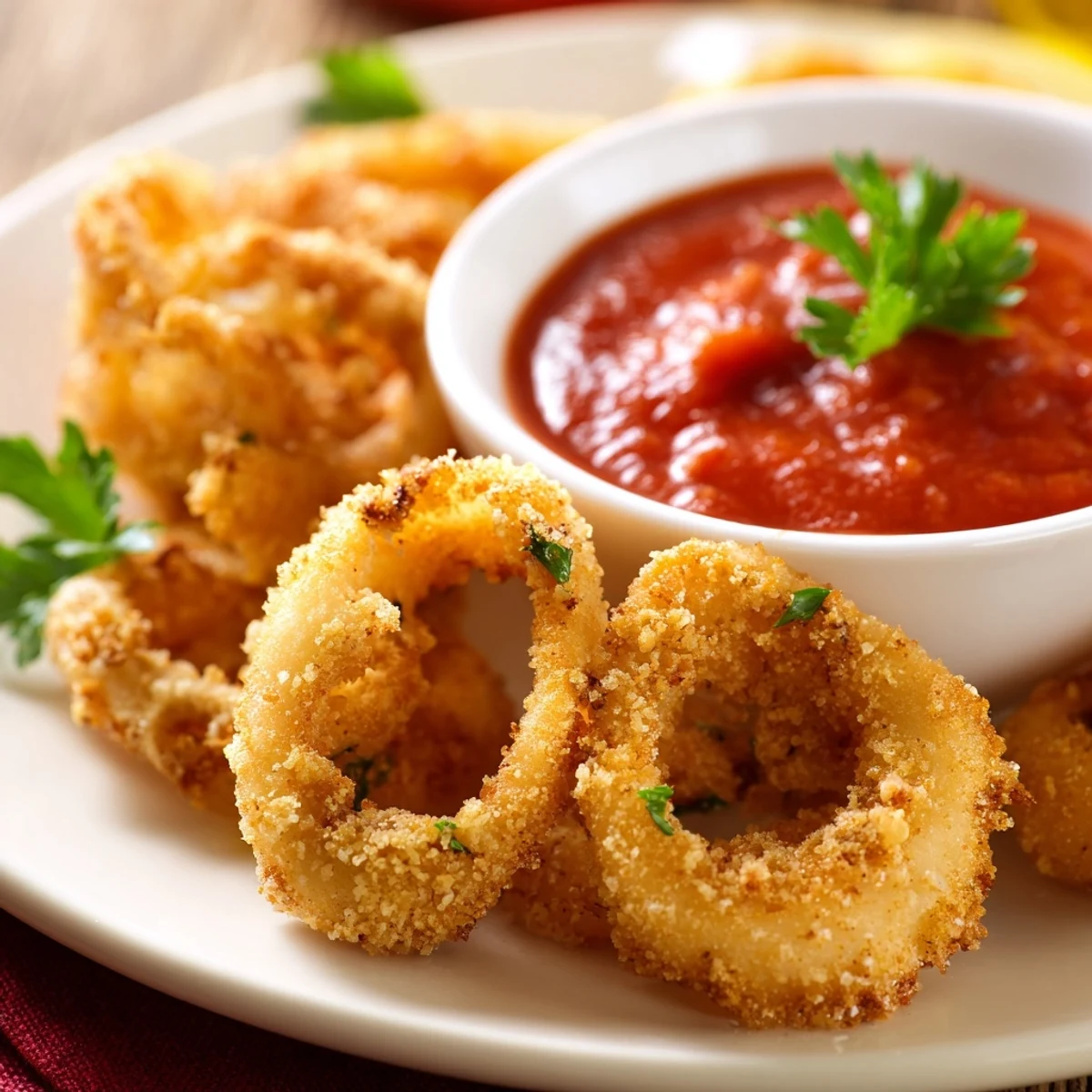
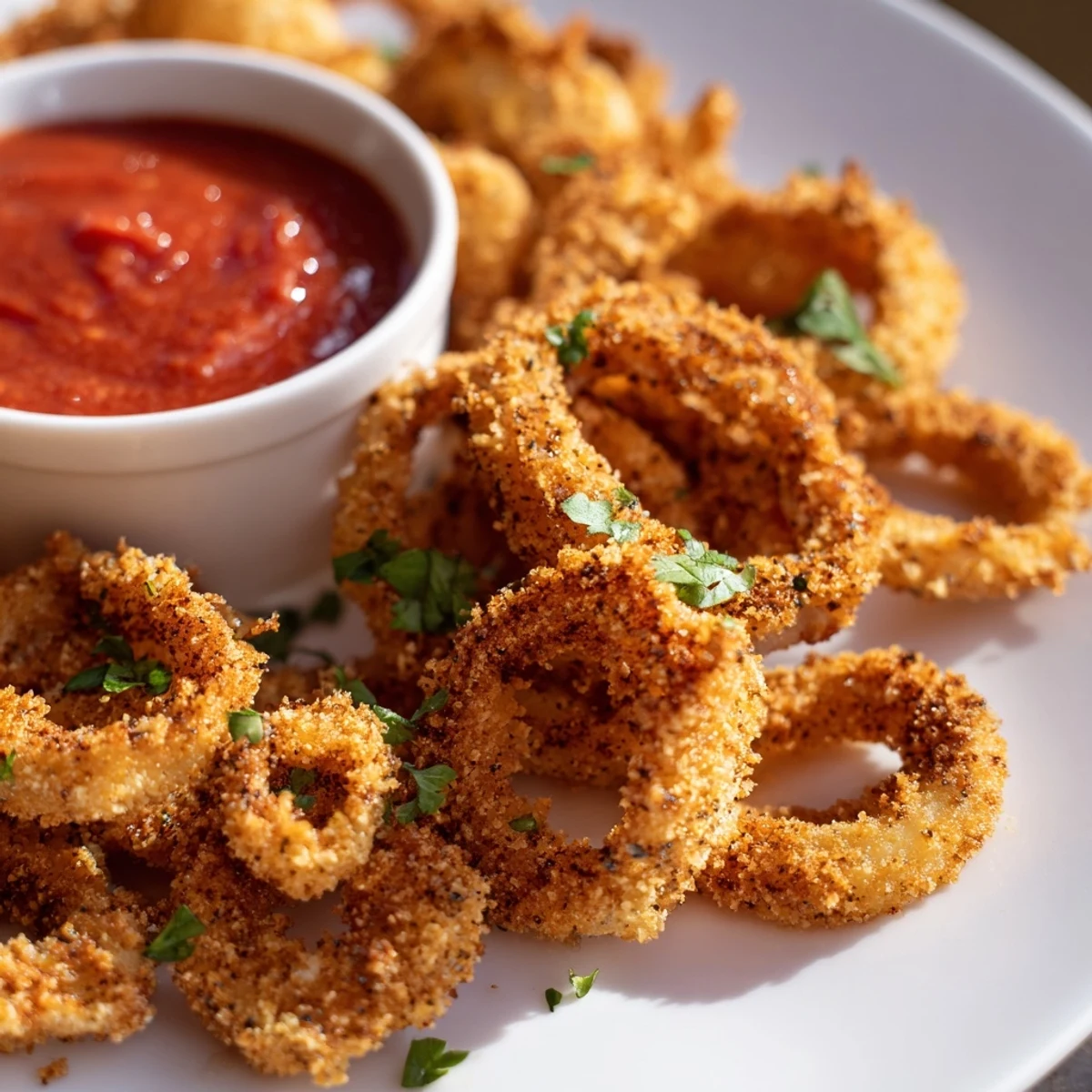
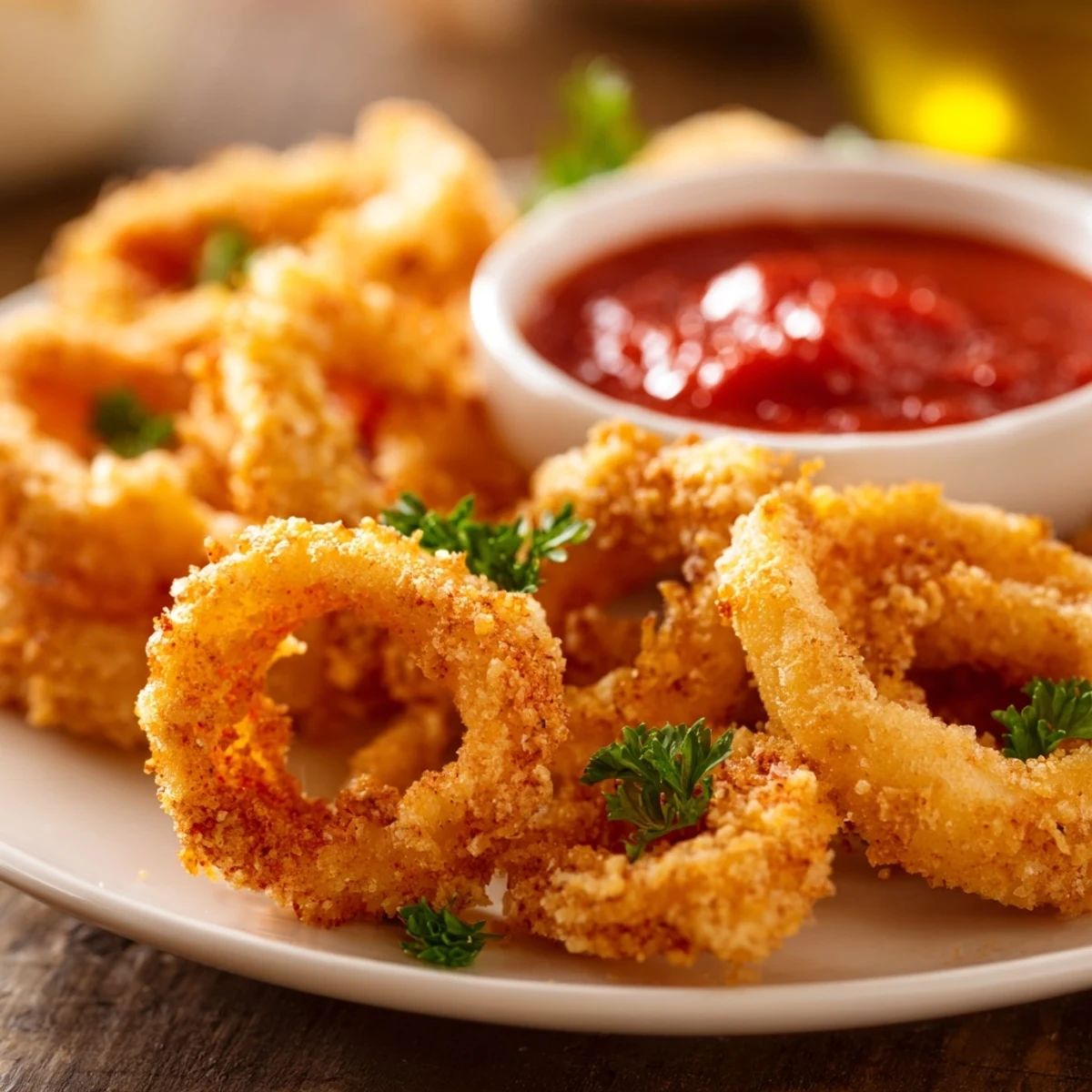
Save Experience tender calamari rings soaked in buttermilk, lightly breaded with flour and cornmeal, then fried to a golden crisp. Accompanied by a zesty marinara sauce made from crushed tomatoes, garlic, and aromatic herbs, this dish balances crunchy textures and rich, savory flavors. Ideal as a shareable Italian-style appetizer, it pairs beautifully with fresh parsley garnish and lemon wedges to brighten each bite. The marinara’s subtle sweetness and herbaceous notes complement the deep-fried calamari, making every mouthful satisfying and vibrant.
There's something about the sizzle of calamari hitting hot oil that instantly transports me back to a tiny trattoria in Naples, where I watched an elderly chef work with such casual precision that I barely understood what was happening until the plate arrived. The golden rings were impossibly tender inside their delicate, crispy shell, and I realized that day that this dish isn't about fancy technique—it's about respecting the calamari and not overthinking it. Years later, I finally cracked the code: buttermilk, a screaming hot pan, and the patience to fry in small batches. Now it's become my go-to appetizer, the one friends always ask for.
I made this for a dinner party last spring when a friend mentioned she'd never had good calamari—only the rubbery stuff from chain restaurants. Watching her face when she bit into the first piece was worth every second of prep, and honestly, that's when I knew this recipe belonged in my regular rotation. Now it's the appetizer I make when I want to feel like I have my life together.
Ingredients
- Fresh calamari, cleaned and cut into rings: Buy it from a fishmonger if possible and ask them to clean it for you—it saves time and you'll get better quality. The 1 cm thickness is crucial because thinner pieces dry out and thicker ones won't cook through evenly.
- Buttermilk: This is your secret weapon for tenderness; it works on calamari the same way it works on chicken, breaking down the proteins gently while adding subtle tang.
- Salt and black pepper: Season the buttermilk mixture generously—this is your only chance to season the calamari itself before breading.
- All-purpose flour and cornmeal: The cornmeal adds crunch and keeps the coating from absorbing oil, which is the difference between crispy and greasy.
- Paprika, garlic powder, and cayenne: These flavor the coating so every bite tastes intentional, not just deep-fried.
- Vegetable oil: Use a high-heat oil and don't cheap out here—good oil means cleaner flavor and less greasiness.
- Garlic, crushed tomatoes, and herbs for the sauce: Fresh garlic matters; jarred garlic turns bitter when it hits the heat too long, which I learned the hard way.
Instructions
- Soak the calamari in buttermilk:
- Toss your calamari rings with buttermilk, salt, and pepper, then cover and refrigerate for 15 minutes. This seems like a small thing, but it's the step that separates tender calamari from tough, rubbery disaster.
- Mix your breading blend:
- Combine flour, cornmeal, paprika, garlic powder, and cayenne in a shallow dish and give it a quick stir. You want everything evenly distributed so no batch is bland or heavily spiced.
- Get your oil to temperature:
- Heat vegetable oil in a deep skillet to 180°C (350°F)—use a thermometer because eyeballing this is how you end up with pale, greasy calamari. While it heats, you'll have time to start the sauce.
- Build the marinara sauce:
- Heat olive oil, add minced garlic, and let it toast for 30 seconds until fragrant, then add crushed tomatoes, oregano, basil, sugar, salt, and pepper. Simmer uncovered for 10–12 minutes, stirring occasionally, so the flavors meld and the sauce tastes like it's been simmering all afternoon instead of just minutes.
- Coat and fry in batches:
- Remove calamari from buttermilk, let excess drip off, then dredge each piece in the breading, making sure it's fully coated. Fry in small batches—overcrowding the pan drops the temperature and you'll get soggy results instead of that perfect golden crunch.
- Drain and finish:
- Use a slotted spoon to transfer calamari to paper towels the moment it's golden, which is usually 1½–2 minutes. Serve it immediately while it's still crackling, with warm marinara alongside.
 Save
Save There was this moment at a family dinner when my nephew, who's always skeptical about seafood, quietly asked for seconds without making it weird, and I realized that good food has this quiet power to change minds. That's what this dish does—it converts people.
The Buttermilk Secret
Buttermilk isn't just a tenderizer; it's an attitude shift about how you approach cooking seafood. Instead of trying to mask what calamari is, buttermilk celebrates it by making it silky and approachable, which is why restaurants that skip this step end up with that infamous rubber texture. I've tried lemon juice, yogurt, and plain milk, and nothing comes close to what buttermilk does—it's almost forgiving in how much it improves the outcome.
Why the Cornmeal Matters
Cornmeal was the ingredient that finally gave me that restaurant-level crunch I'd been chasing for years. Regular flour gets soggy because it absorbs moisture too easily, but cornmeal stays crispy even as steam escapes during frying. The texture it creates is almost feathery, and once you notice it, you can't unsee how much better it is than plain flour breading.
Serving and Pairing
Serve the calamari the second it comes out of the oil, still steaming, with warm marinara on the side for dipping and lemon wedges nearby for brightness. A sprinkle of flaky sea salt and fresh chopped parsley over the top isn't just garnish—it adds another textural layer and reminds people that even fried food can feel fresh. Pair it with a chilled Pinot Grigio or a crisp lager, and you've got an appetizer that feels both indulgent and refined.
- Fresh lemon wedges aren't optional; they cut through the richness and wake up your palate between bites.
- If you make the marinara ahead, reheat it gently before serving so it doesn't break or get too thick.
- Leftover calamari is never as good, so plan quantities carefully—this makes about 4 servings as a generous appetizer or 2 as a light main course.
 Save
Save This is the dish that taught me that simplicity and respect for your ingredients beats complicated techniques every single time. Make it for people you want to impress, and watch how something so straightforward becomes the conversation piece of the meal.
Recipe FAQs
- → How do I achieve extra tender calamari?
-
Soaking calamari in buttermilk for up to an hour before breading helps tenderize it by breaking down proteins, resulting in a softer bite.
- → What is the best frying temperature for crispy calamari?
-
Fry calamari at 180°C (350°F) to ensure a golden crisp exterior while keeping the inside tender without absorbing excess oil.
- → Can I add spices to the breading mix?
-
Yes, incorporating paprika, garlic powder, and optional cayenne pepper enhances flavor and adds a subtle spicy kick to the crust.
- → How do I prevent calamari from becoming rubbery?
-
Avoid overcooking by frying calamari just 1½ to 2 minutes until golden. Quickly remove from oil to keep it tender and crispy.
- → What ingredients give the marinara sauce its zesty flavor?
-
Fresh garlic sautéed in olive oil, combined with crushed tomatoes, oregano, basil, and a touch of sugar balances acidity and creates a bright, tangy sauce.