
 Save
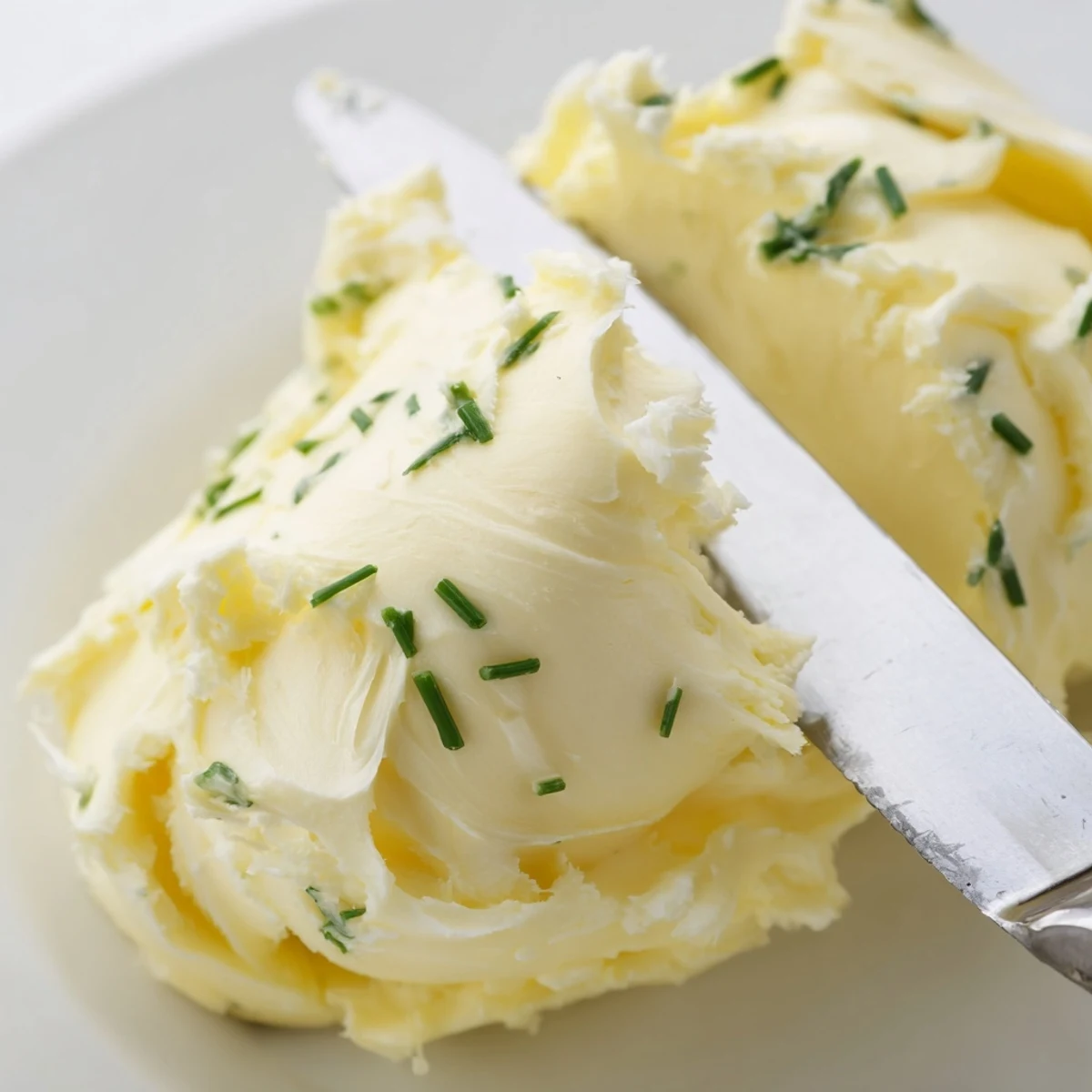
Save This creamy salted butter is made by whipping chilled heavy cream until it separates, forming fresh butter and buttermilk. After draining and rinsing, sea salt is mixed in for flavor. Optional fresh herbs or lemon zest can be folded in to add brightness and depth. This versatile butter spreads easily on bread and complements vegetables, meats, and various dishes. Quick to prepare and ideal for enhancing everyday meals with rich, smooth texture and balanced seasoning.
There's something almost magical about watching cream transform in a bowl—one moment it's silky and whipped, the next it's surrendering into butter and buttermilk before your eyes. I first made this at home on a whim, curious whether I could actually pull off what seemed like kitchen alchemy, and the result was so ridiculously good that I've been making it ever since. That first taste of warm, freshly made butter melting on still-warm bread from the oven spoiled me for store-bought entirely. Now, whenever I want something to taste less like a recipe and more like care, I make this.
I made this for my neighbor's dinner party once, shaped into a small log and dusted lightly with fleur de sel, and it sat on the bread board untouched for exactly thirty seconds before everyone descended on it like it was treasure. She asked me for the recipe that night, and when I told her it was just cream and patience, she looked genuinely betrayed that butter could be this simple.
Ingredients
- Heavy cream (2 cups, chilled): This is everything—use the coldest cream you can find, with at least 35% fat, because warm cream won't cooperate and low-fat cream simply won't become butter no matter how long you whip.
- Fine sea salt (1/2 teaspoon): Start here and taste as you go; salt brings out the cream's sweetness rather than making it salty.
- Fresh herbs, chopped (1 tablespoon, optional): Chives and parsley are the quiet heroes here, adding a whisper of green and brightness.
- Lemon zest (1 teaspoon, optional): If you add this, fold it in gently at the end so the flecks stay visible and the flavor stays fresh.
Instructions
- Get your cream cold and ready:
- Pull your cream straight from the fridge and pour it into your mixer bowl immediately—the colder it is, the faster it will cooperate.
- Whip until the magic happens:
- Turn on medium-high speed and listen as the cream goes from quiet to slightly thick to almost foamy, and then suddenly you'll hear a change—splashing sounds, little thuds of butter against the bowl sides. This takes about 5 to 7 minutes, though every kitchen is different. Trust the sound and feel more than the timer.
- Separate the butter from the milk:
- Pour off the liquid (that's buttermilk, and it's genuinely useful for pancakes or biscuits if you save it) into a jar. You'll have a lumpy, wet mass left—that's your butter.
- Rinse until the water runs clear:
- Place the butter under very cold running water and knead it gently with your hands like you're making bread dough, watching as the cloudy water gradually becomes clear. This removes the remaining buttermilk, which keeps your butter fresher longer.
- Season and fold:
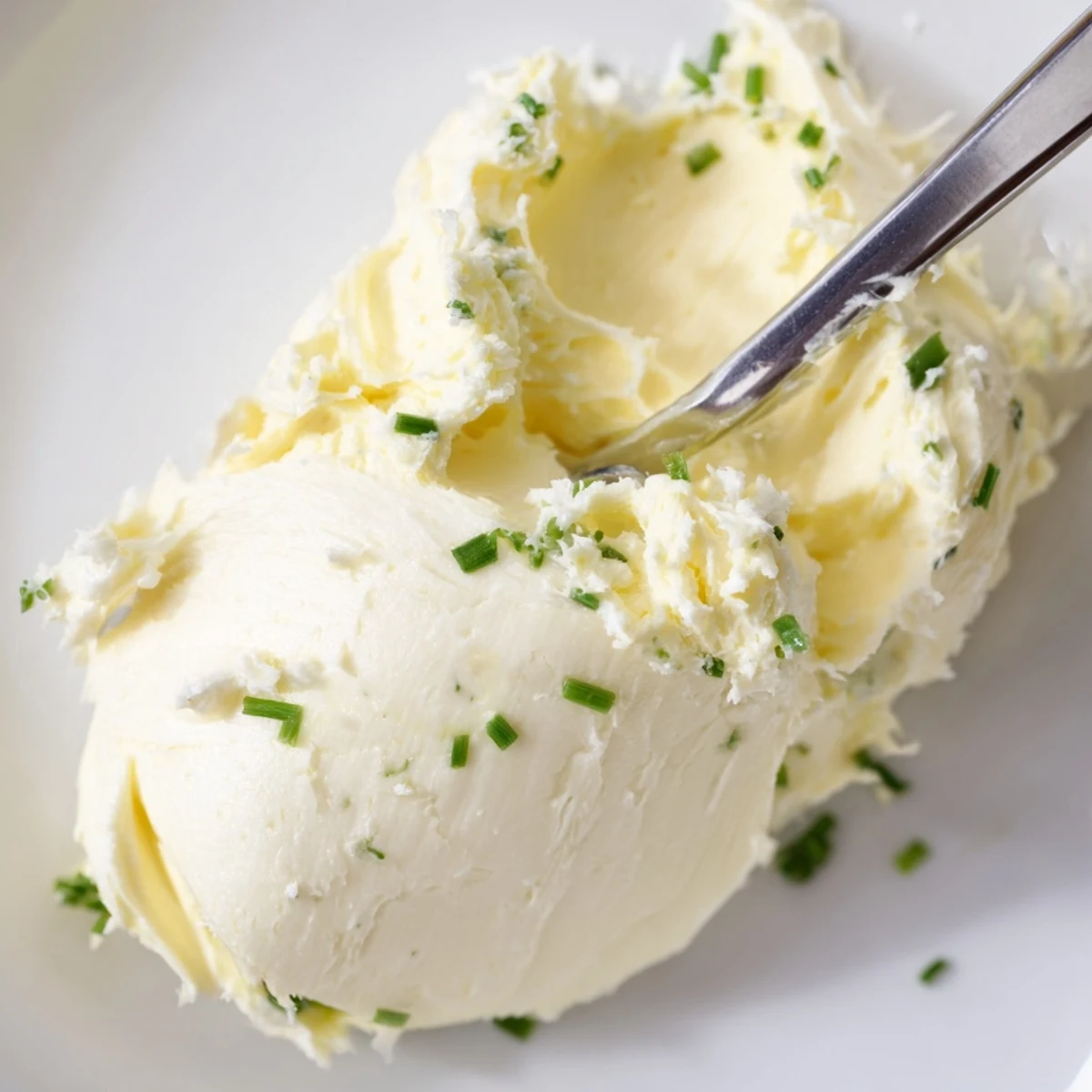
- Pat the butter dry, place it in a bowl, sprinkle with salt, and mix thoroughly. If you're using herbs or zest, fold those in now with a gentle hand.
- Shape and chill:
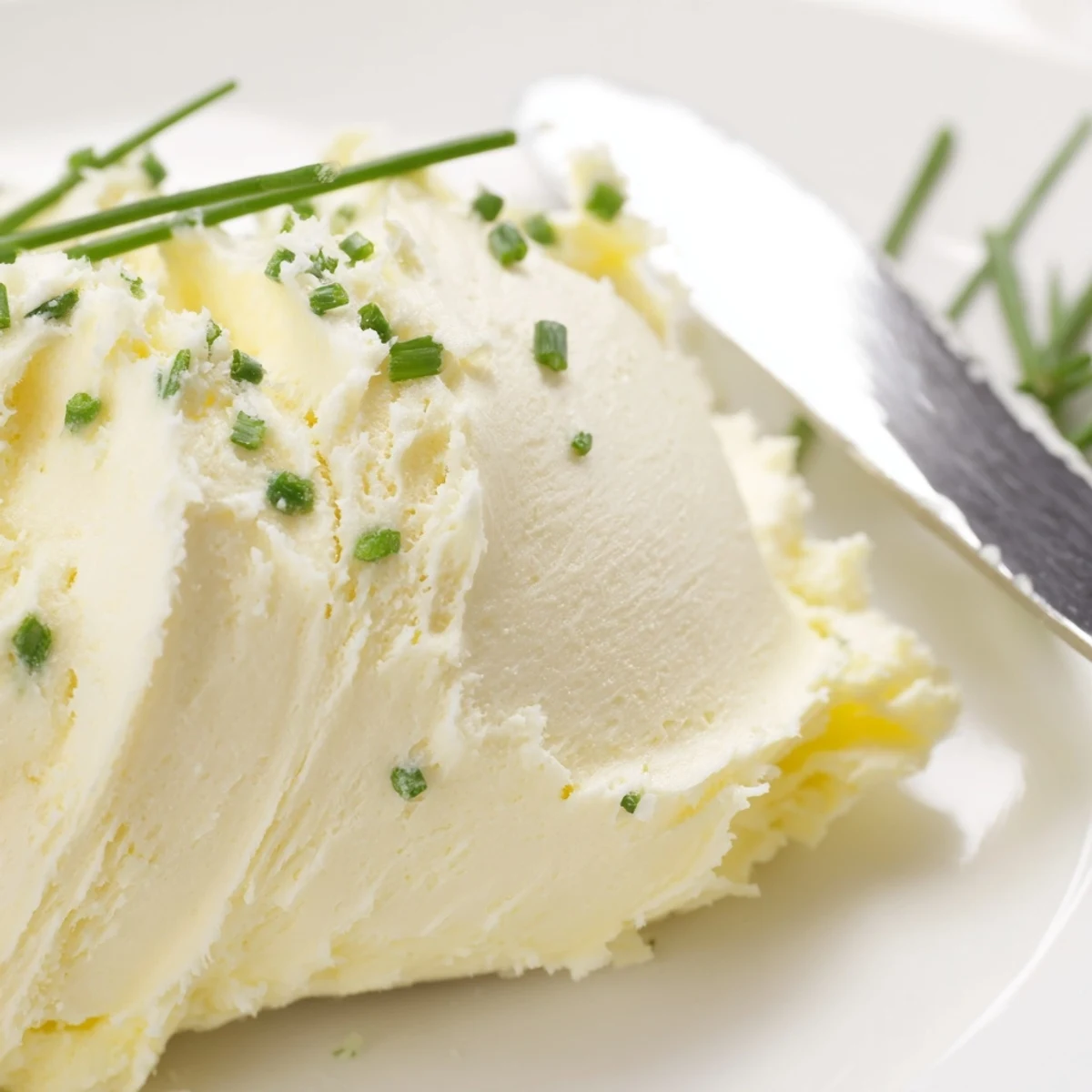
- Spread it into a container, or roll it in plastic wrap and shape it into a log for slicing later. Chill for at least an hour before serving.
 Save
Save I remember making this butter one winter morning when my daughter asked why store butter didn't taste like the butter from her friend's farm, and I realized I didn't have a good answer. Making it together that morning—watching her face when she understood that butter was just cream that had decided to be something else—turned a simple condiment into a small moment of wonder that we still talk about.
Flavor Variations That Changed Everything
Plain salted butter is perfect on its own, but once you realize you can fold almost anything into warm butter, a whole world opens up. Roasted garlic makes it a companion for bread and steaks, smoked paprika turns it into something almost savory-sweet, and a drizzle of honey creates this texture that's somewhere between butter and caramel. I once made a batch with crispy sage and it became the thing everyone requested.
The Math of Making Butter
Two cups of cream becomes roughly one cup of butter because you're separating out the buttermilk and water—so expect that the yield will be smaller than the volume you started with. The buttermilk you strain off isn't waste; it's useful for baking, so I always keep mine in a jar in the fridge. Some people are intimidated by food science, but butter-making is the gentlest possible introduction to understanding how cream works.
Storage and Shelf Life
Fresh homemade butter keeps for about a week in the refrigerator if you've rinsed it properly, or up to three months in the freezer if you wrap it well. The salted version lasts slightly longer because salt is a preservative, though honestly it never lasts that long in my house. Room temperature butter is soft and spreadable, but it will oxidize faster, so keep it chilled unless you're about to use it.
- Wrap it tightly or store it in a covered container to prevent it from absorbing fridge odors.
- If you notice any off smell or greenish tint, trust your instincts and throw it out.
- Label it with the date so you know when you made it, especially if you're storing multiple batches.
 Save
Save Making your own butter is less about being fancy and more about knowing exactly what you're eating and tasting the difference it makes. Once you've done it once, you'll understand why people have been making butter for thousands of years—it's simply that good.
Recipe FAQs
- → What type of cream is best for making this butter?
-
Use heavy cream with at least 35% fat content, chilled for best results and easier whipping.
- → How do I know when the butter is ready?
-
When the cream thickens, separates into curds and liquid, and curds clump together, the butter is formed.
- → Can I add flavors to the butter?
-
Yes, folding in fresh herbs like chives or lemon zest enhances flavor and aroma naturally.
- → How should I store the butter?
-
Store in the refrigerator in an airtight container for up to one week to maintain freshness.
- → What can I do with the leftover buttermilk?
-
Save the buttermilk for baking or cooking to add a tangy flavor to pancakes, breads, or dressings.