
 Save
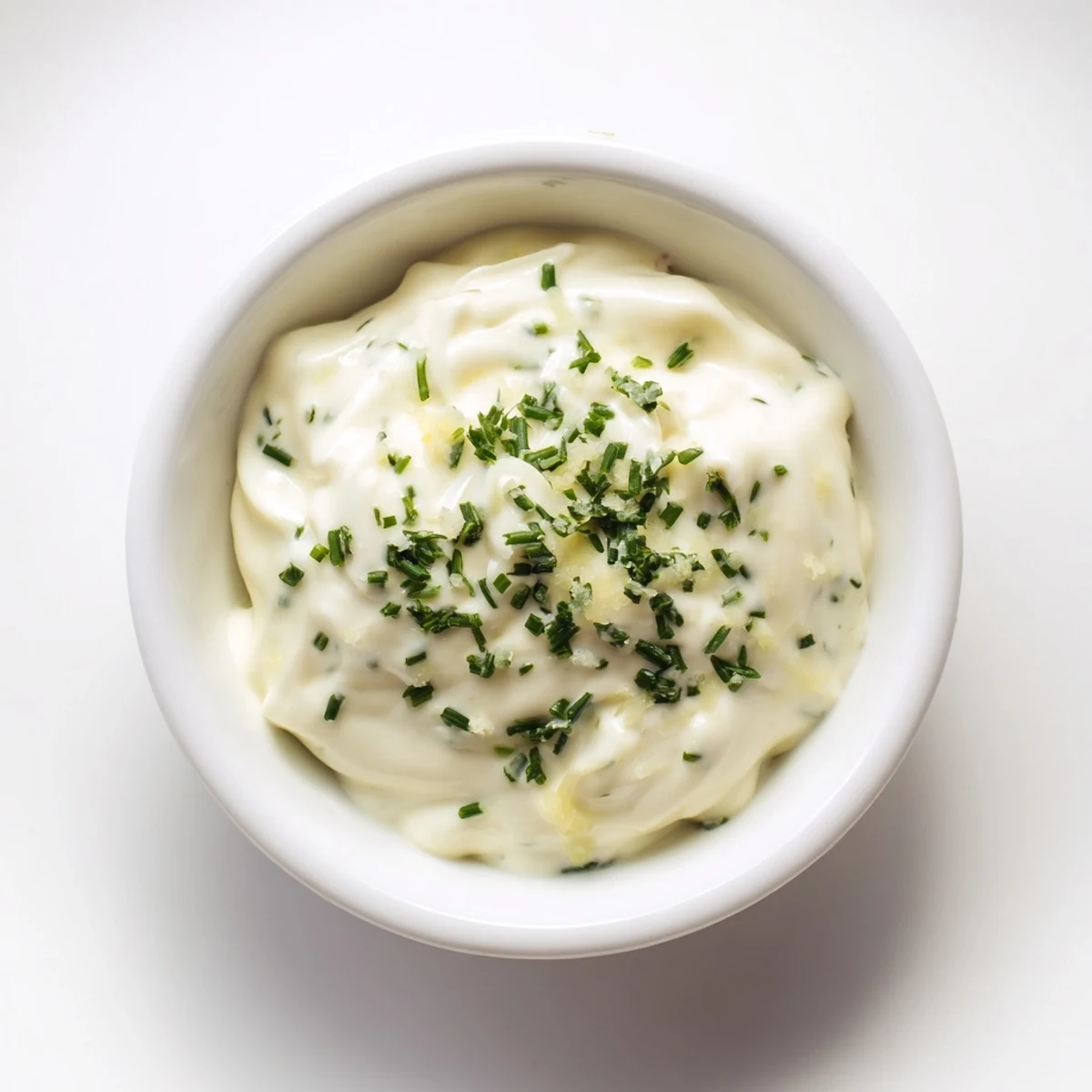
Save This creamy dressing blends mayonnaise, sour cream, and Greek yogurt for smooth texture. Lemon juice, white wine vinegar, and Dijon mustard add bright acidity, while garlic, fresh herbs, salt, and pepper enhance flavor. Optional honey and Parmesan provide sweetness and depth. Chill before serving for melded flavors. Perfect as a topping for greens or a dip for fresh vegetables, it’s easy to prepare and adaptable for taste preferences.
I was standing at my kitchen counter on a Tuesday afternoon, staring at a sad pile of wilted lettuce and wondering if I should just order takeout instead. Then I remembered a friend mentioning how she made her own dressing and suddenly everything tasted better, so I decided to give it a shot. What started as desperation turned into something I now make weekly, and honestly, it's become the reason I actually want to eat salad again.
My partner was skeptical when I served him a salad with homemade dressing, arms crossed like he was bracing for disappointment. After one bite he got quiet in that way that means something actually tastes good, and he asked if I could please make it again tomorrow. That's when I knew this dressing was worth keeping around.
Ingredients
- Mayonnaise: The creamy backbone that makes everything silky, though I've learned full-fat mayo actually tastes better than the lighter versions.
- Sour cream: This adds tanginess and keeps the texture from feeling too heavy on your vegetables.
- Plain Greek yogurt: The secret to making it taste rich without being overly thick, plus it stretches the batch further.
- Freshly squeezed lemon juice: Don't use the bottled stuff, the difference is noticeable and worth the thirty seconds of squeezing.
- White wine vinegar: It brings brightness without being aggressive, though you can swap it for apple cider vinegar if that's what you have.
- Dijon mustard: A small amount adds complexity and helps everything taste more intentional.
- Fresh garlic: Mince it fine or it'll surprise you with harsh bites, and use it the day you make the dressing for the best flavor.
- Fresh chives and parsley: These make it taste homemade in a way that dried herbs simply cannot.
- Salt and black pepper: Essential for bringing out the other flavors, so taste as you go.
- Honey: A tiny bit sweetens things without making it taste like dessert dressing.
- Parmesan: Optional but it adds a salty depth that makes people ask what's in it.
Instructions
- Build the base:
- Whisk together the mayonnaise, sour cream, and Greek yogurt until the mixture is completely smooth with no lumps. This is your foundation, so take a moment to actually combine them properly.
- Add the brightness:
- Pour in the lemon juice, white wine vinegar, and Dijon mustard, whisking until everything is incorporated. You'll notice the color shifts slightly as the acidity works its magic.
- Layer in the aromatics:
- Stir in your minced garlic, chives, and parsley, mixing well so the herbs are distributed evenly. This is when your kitchen starts smelling like something good.
- Taste and adjust:
- This step matters more than people think, so grab a vegetable or a spoon and actually taste it. Add honey if you want sweetness or Parmesan if you want depth, bit by bit until it feels right.
- Let it rest:
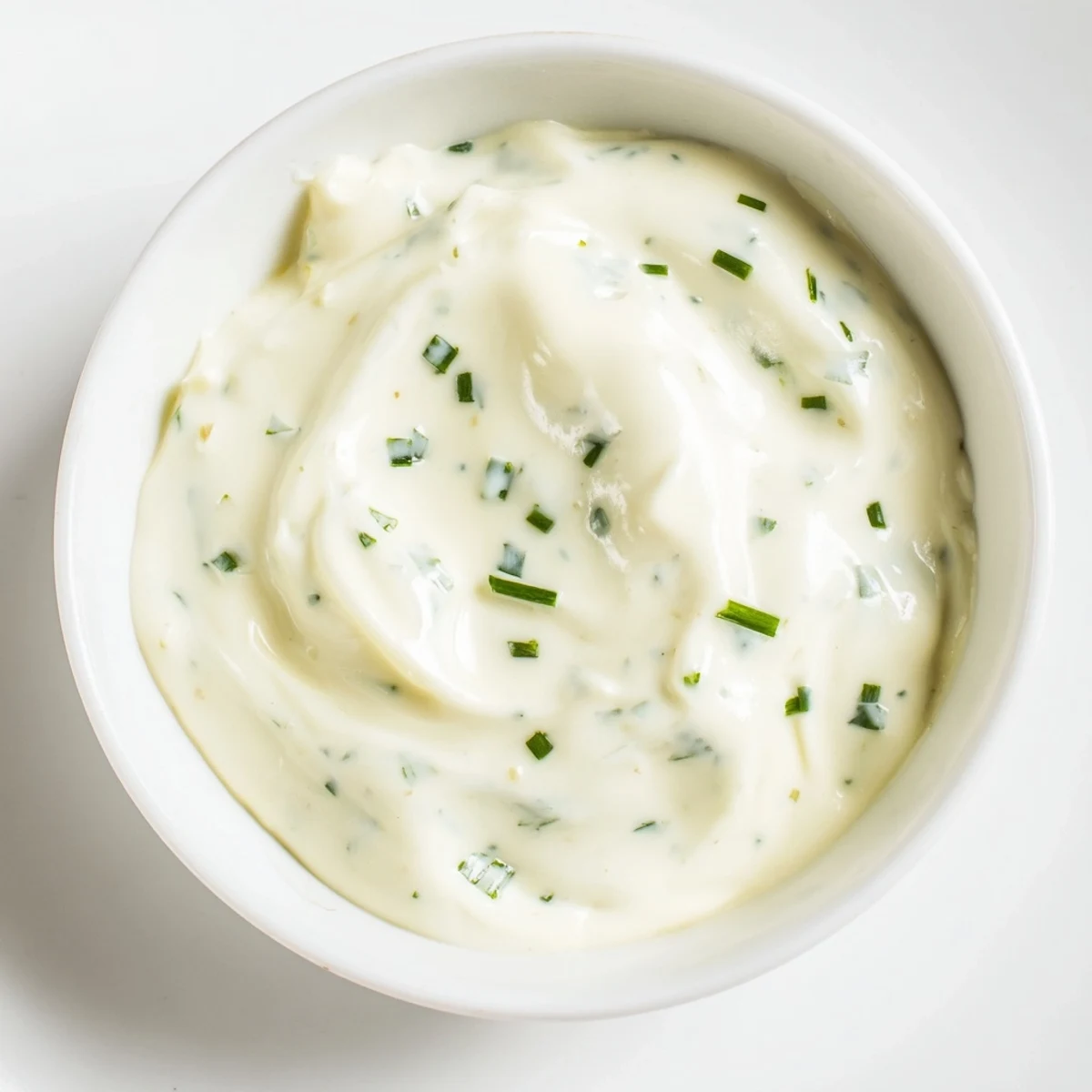
- Cover the bowl and refrigerate for at least thirty minutes so the flavors have time to get to know each other. The dressing actually tastes better after a few hours or even overnight.
 Save
Save My mom tasted this one evening and actually stopped mid-conversation to have seconds. It was such a small moment but it made me realize that homemade dressing is one of those quiet ways to show people you care about what they eat.
Make It Your Own
This dressing is intentionally a blank canvas, and I love experimenting with it. Sometimes I add fresh dill when I'm feeling herb-forward, or tarragon when I want something slightly anise-flavored and fancy. Once I mixed in some grated Parmesan and red pepper flakes for a kick, and it became my favorite dressing for grain bowls with roasted chickpeas. The beauty is that you can wake up tomorrow and make it completely different depending on what greens you're working with.
Getting the Consistency Right
The first time I made this, it was thicker than I expected, and I panicked and added way too much buttermilk at once. Now I keep a small pitcher of buttermilk on hand and add it a splash at a time if I want something pourable for drizzling over warm grain bowls or using as a dip. If you like it thick enough to cling to leaves, leave it as is, but if you want something that flows more freely, the buttermilk trick is worth knowing.
Storage and Keeping It Fresh
I learned the hard way that this lasts about five days in the fridge when stored in an airtight container, which is perfect because it forces you to actually use it instead of letting good intentions sit in the back until everything separates. The garlic gets slightly more mellow as it sits, which some people love and others find too tame, so if you like strong garlic flavor make it fresh and use it the same day. The real magic happens when you have a batch ready to go in the fridge and suddenly salad becomes something you're excited to eat instead of something you feel obligated to have.
- Store in a glass container with a tight seal to keep it fresher longer.
- If it separates slightly after a few days, just whisk it again and it comes right back together.
- Make a double batch on Sundays if you want salad ready all week without the daily dressing prep.
 Save
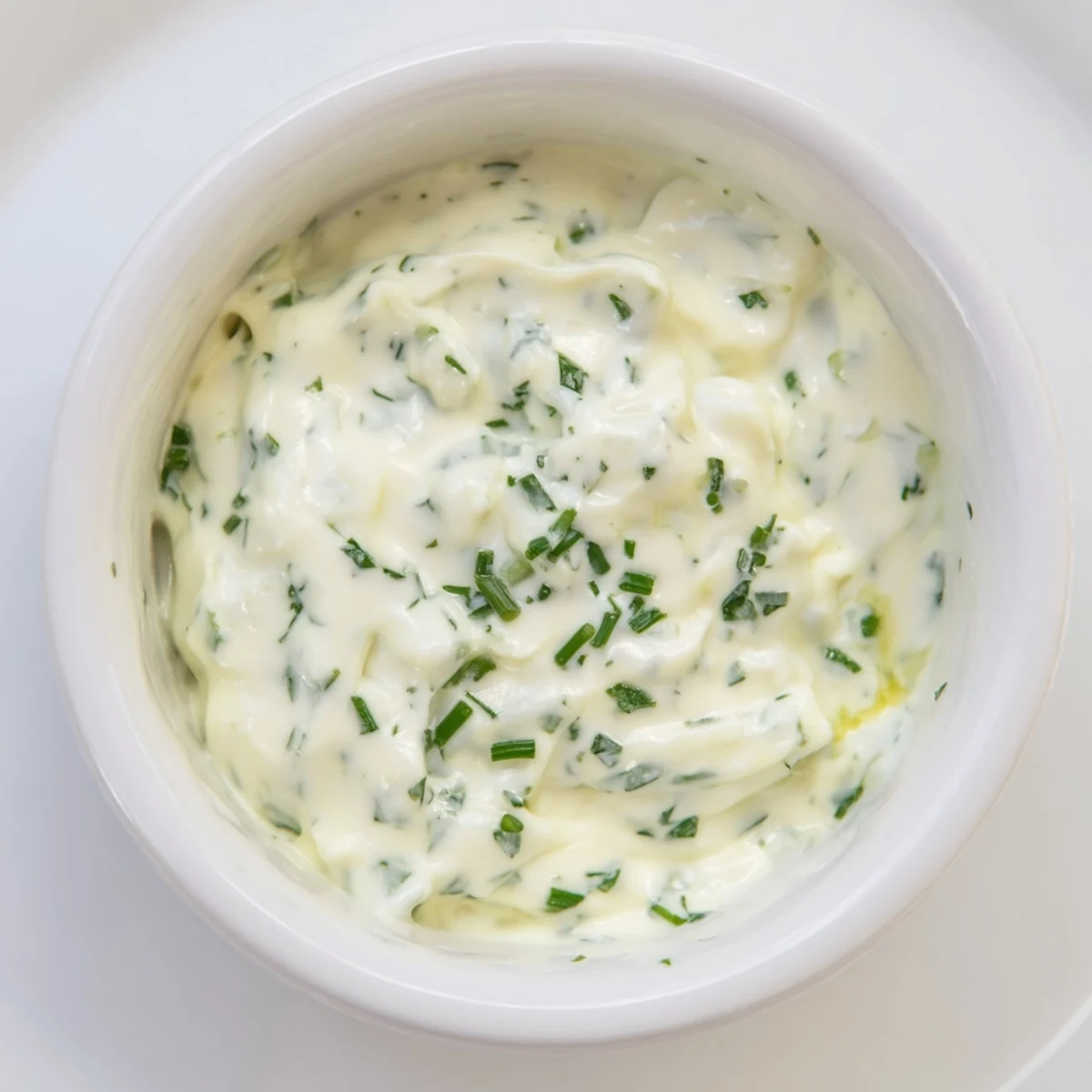
Save This dressing changed something small but real about how I cook at home, turning salad from an obligation into something I actually look forward to. Keep a jar of it in your fridge and watch how your relationship with greens transforms.
Recipe FAQs
- → What ingredients create the creamy base?
-
Mayonnaise, sour cream, and plain Greek yogurt combine to form a smooth, rich base for the dressing.
- → How does acidity enhance the flavor?
-
Fresh lemon juice and white wine vinegar add tanginess, balancing the creamy texture with bright, zesty notes.
- → Can fresh herbs be substituted or added?
-
Yes, chopped chives and parsley contribute freshness, and options like dill or tarragon can provide alternative flavors.
- → How long should the dressing chill?
-
Refrigerate for at least 30 minutes to allow the flavors to fully meld and develop depth.
- → What adjustments can be made for consistency?
-
Adding buttermilk can thin the dressing for a pourable consistency, while substituting low-fat ingredients lightens it.