
 Save
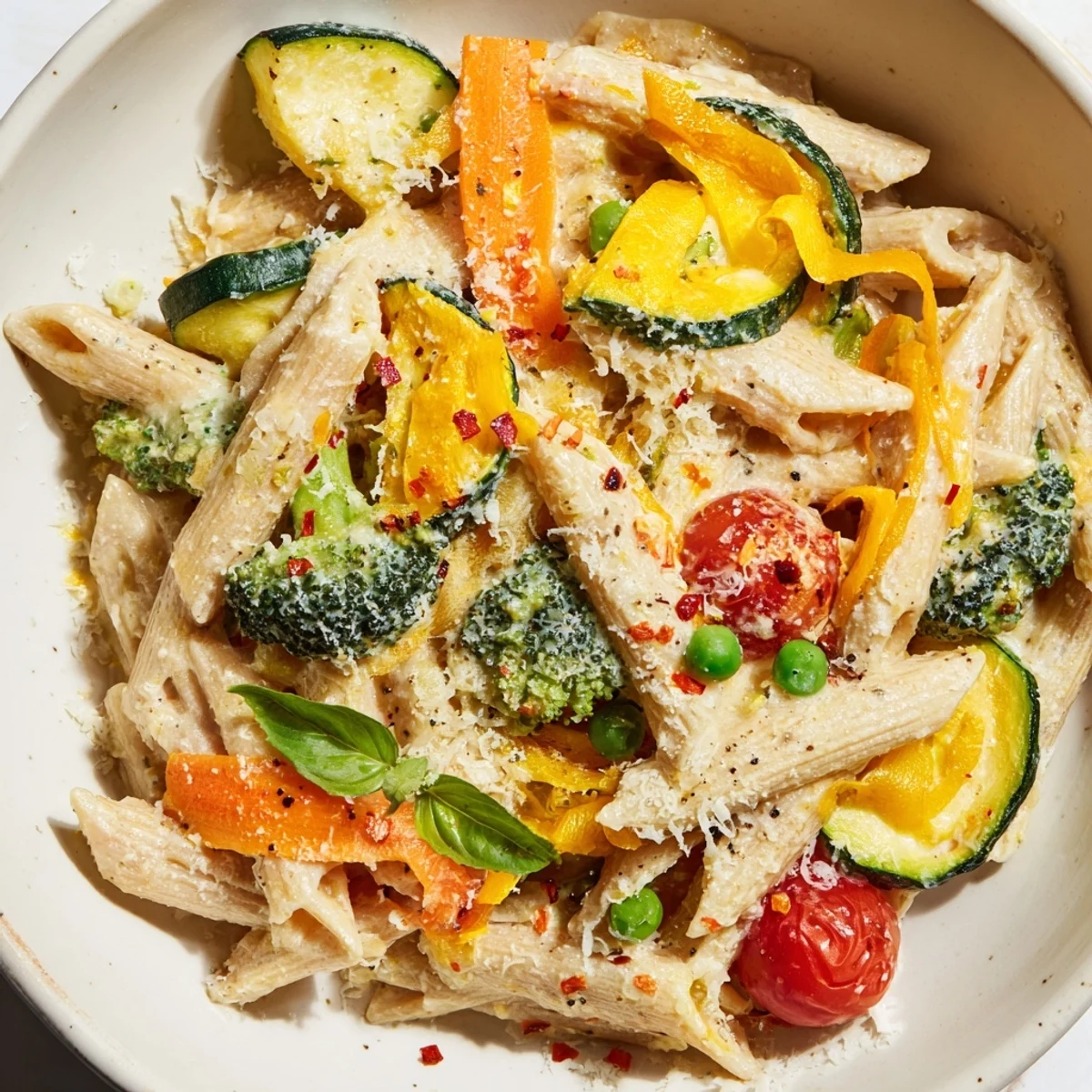
Save This creamy pasta primavera combines tender penne or fettuccine with a medley of fresh vegetables like zucchini, bell pepper, cherry tomatoes, broccoli, carrot, and peas. The sauce blends butter, olive oil, heavy cream, and Parmesan, infused with garlic, lemon zest, and fresh basil, creating a rich yet light coating. A quick sauté brings the vegetables to just the right tenderness before the sauce and pasta are combined. Perfect for a quick, satisfying meal with delicate, fresh flavors and comforting creaminess.
I made this pasta on a Tuesday night when my kitchen smelled like spring for the first time that year, and everything changed. The vegetables were so bright and fresh that I couldn't help but toss them together without overthinking it, and somehow that casual energy is what made it sing. My partner walked in halfway through, drawn by the aroma of garlic and butter hitting the pan, and by the time we sat down, I knew this would become one of those dishes that gets made on repeat.
The first time I served this to my sister's family, my nephew actually asked for seconds without being prompted. My sister gave me that look, the one that says she's mentally noting the recipe, and I realized this wasn't just comfort food anymore. It had become the kind of dish people ask you to make again.
Ingredients
- Penne or fettuccine (350 g): The pasta is your anchor, so pick a shape that catches sauce well. I use penne because those little tubes hold the cream and catches all those vegetable pieces, but fettuccine works beautifully too if that's what you have.
- Zucchini (1 medium): Slice these into half-moons so they cook evenly and don't fall apart on you. They'll soften just enough to be silky without turning mushy.
- Yellow bell pepper (1): This adds sweetness and a slight crunch that balances the richness of the cream. The color matters too, honestly.
- Cherry tomatoes (1 cup, 150 g): Halve them and add them last so they stay just barely warm, almost bursting. They bring a fresh brightness that keeps the whole dish from feeling too heavy.
- Broccoli florets (1 cup, 100 g): Cut them small and get them in early so they have time to become tender. They're worth the effort because they add texture and a subtle earthiness.
- Carrot (1 medium): Julienne means thin matchsticks, and yes, it takes a minute with your knife, but they cook faster and look elegant on the plate.
- Fresh or frozen peas (1/2 cup, 75 g): Frozen actually works perfectly here since they'll warm through in the sauce without needing to cook separately. I always keep a bag on hand.
- Garlic (2 cloves): Mince it fine so it dissolves into the butter and oil, flavoring everything but staying invisible. Burnt garlic is bitter garlic, so watch it carefully.
- Olive oil (2 tbsp) and unsalted butter (2 tbsp): Together they create a richer base than oil alone, and the butter adds that subtle sweetness that makes people pause mid-bite and wonder what you did differently.
- Heavy cream (1 cup, 240 ml): This is the soul of the sauce, so don't skip it or substitute it carelessly. Good cream makes this dish unforgettable.
- Grated Parmesan cheese (1/2 cup, 50 g): Use freshly grated if you can, not the stuff in the green shaker. There's a real difference in how it melts and blends into the sauce.
- Salt and freshly ground black pepper (1/4 tsp each): Season gradually and taste as you go, because you can always add more but you can't take it back.
- Red pepper flakes (1/4 tsp, optional): This is your secret weapon if you want a whisper of heat cutting through all that richness.
- Lemon zest (from 1 lemon): This brightens everything and ties all the flavors together in a way nothing else can. Don't skip it.
- Fresh basil (2 tbsp chopped): Tear it by hand instead of chopping if you can, to release more of its oils. Add most of it at the end so it stays green and vibrant.
Instructions
- Get the pasta going:
- Fill a large pot with salted water as if you're seasoning soup, then bring it to a rolling boil. Add your pasta and stir it immediately so nothing sticks together, then let it cook according to the package time until you can bite a piece and it's tender but still has a tiny bit of resistance.
- Build your sauce base:
- While the pasta cooks, warm the olive oil and butter in a large skillet over medium heat until the butter is completely melted and foaming slightly. Add your minced garlic and let it sizzle for just 30 seconds, enough to perfume the entire pan but not long enough to turn it brown and bitter.
- Sauté the firmer vegetables first:
- Add the carrots and broccoli to the butter and oil, and let them cook for 2 to 3 minutes until they start to soften at the edges. Then add the zucchini, bell pepper, and peas all at once, and give everything another 3 to 4 minutes, stirring occasionally so everything cooks evenly and develops a subtle tenderness.
- Finish the vegetables:
- Stir in the cherry tomato halves and let them warm through for just 1 minute, until they're heated but still hold their shape. This is where the dish starts to look as good as it tastes.
- Create the cream sauce:
- Lower the heat to medium-low, then pour in the heavy cream slowly while stirring so it blends smoothly with all the vegetables and oil. Scatter the Parmesan cheese over the top and keep stirring gently until every bit of cheese melts and the whole sauce becomes thick, glossy, and perfect.
- Bring it together:
- Drain your pasta, remembering to save that 1/2 cup of starchy water, then add the hot pasta to the skillet with the cream and vegetables. Toss everything together gently but thoroughly, adding splashes of the reserved pasta water until the sauce coats every piece of pasta without being soupy or clinging too heavily.
- Season and finish:
- Taste it first, then season with salt and black pepper to your preference, add the lemon zest so it brightens everything, and fold in the red pepper flakes if you want a subtle warmth. Tear in most of the fresh basil, reserving some for the plate, and give it all one final gentle toss.
- Serve:
- Transfer to a serving bowl or directly to plates while everything is still steaming, then scatter extra basil on top and add a generous handful of additional Parmesan if you want that extra luxury. Serve immediately, before the pasta has a chance to absorb too much sauce and lose its light, creamy character.
 Save
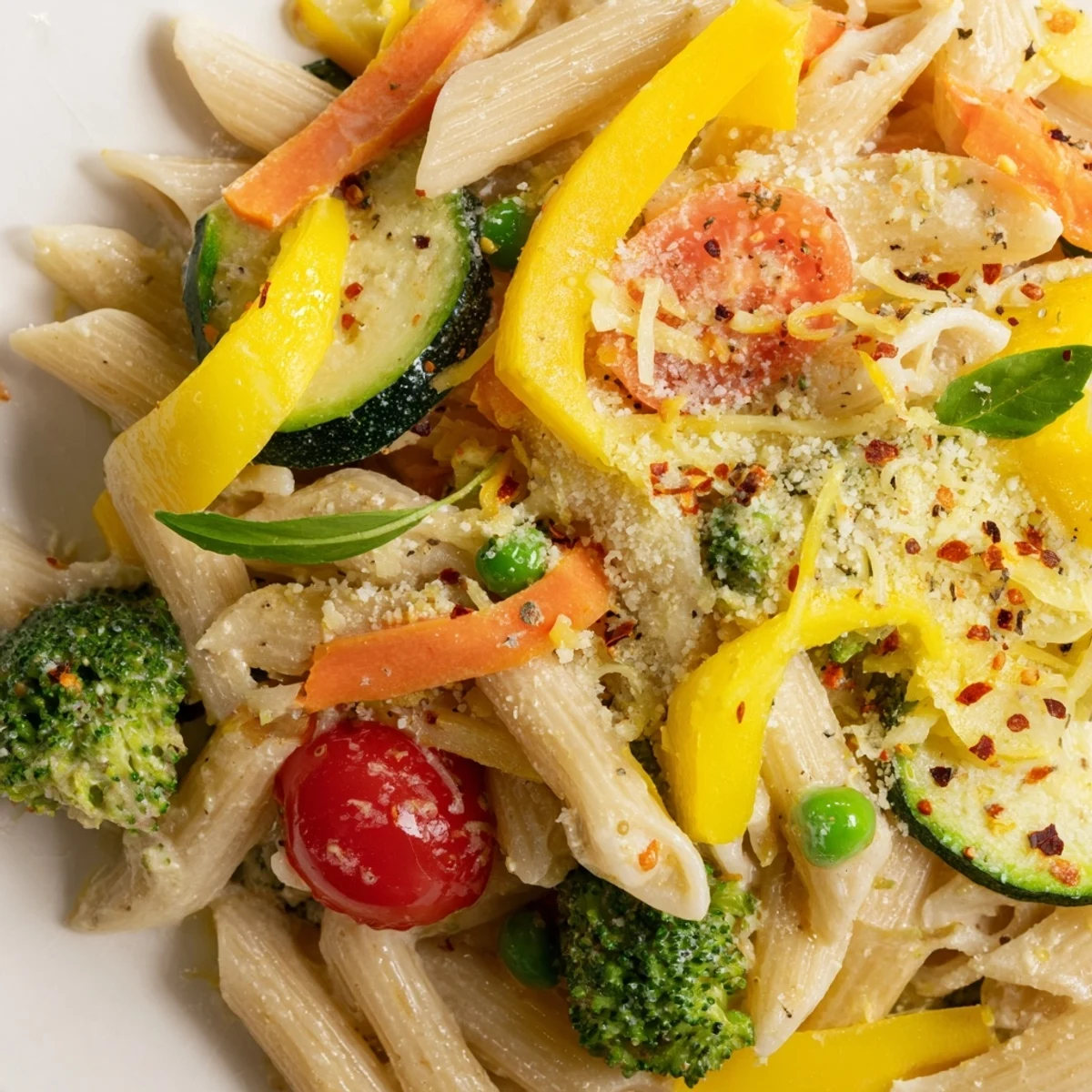
Save There's a moment when you toss the hot pasta into the cream sauce and everything comes together, and the whole dish transforms from individual components into something unified and beautiful. That's when you know you've done it right, and you can take a breath and be proud.
Why Fresh Vegetables Matter Most
This dish lives or dies by the quality of your vegetables, so choose the ones that are firm and bright, not wilted or dull. Spring is the ideal season for this, when everything at the market feels new and alive, but even in winter you can find good zucchini, peppers, and broccoli if you look carefully. The fresher they are, the more their individual flavors shine through the cream, and the more the whole dish sings.
Customizing Your Vegetable Mix
The beauty of this pasta is that it adapts to what's in season or what you have on hand without losing its essential character. In early spring, use tender asparagus spears instead of broccoli, or add fresh snap peas for crunch. In summer, add fresh spinach at the very end so it wilts into the sauce, or use heirloom tomatoes if you want to feel fancy. Even in the quieter seasons, you can substitute whatever vegetables look good, and it will still taste wonderful because the cream sauce and pasta are the foundation that holds everything together.
Making It Your Own
Once you make this a few times, you'll discover your own adjustments and preferences, and that's when it stops being a recipe and becomes something that belongs to you. Some people add a splash of white wine to the sauce, or a pinch of nutmeg, or fresh thyme instead of basil. Others swap the Parmesan for Gruyère, or add crispy pancetta for richness and salt. The foundation is strong enough to support your creativity, so trust your instincts and don't be afraid to make it your own.
- A squeeze of fresh lemon juice at the end brightens everything one last time.
- If you want more protein, grilled chicken or shrimp integrate seamlessly into this sauce.
- Leftovers reheat gently on the stovetop with a splash of cream or pasta water, never the microwave.
 Save
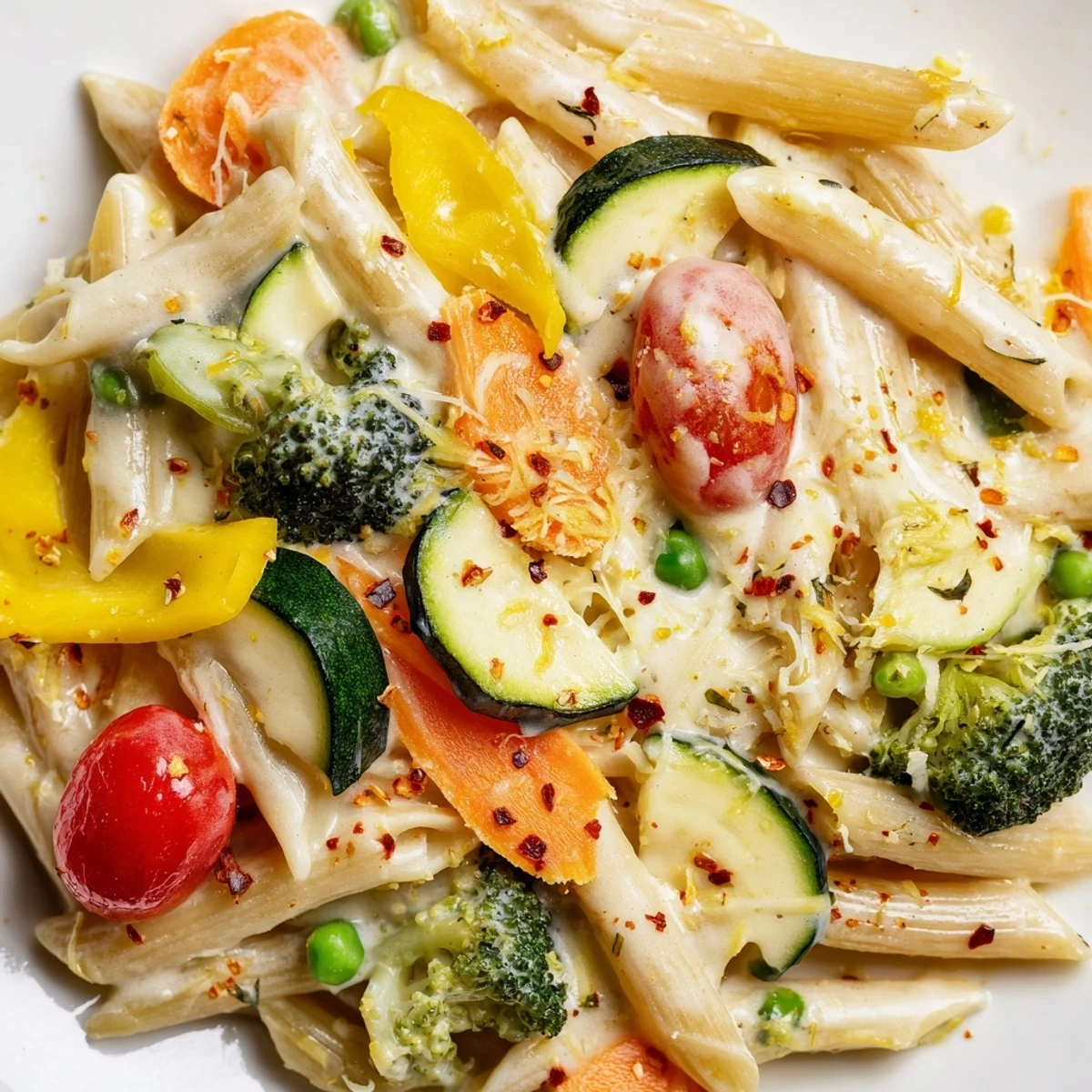
Save This pasta reminds me that the best dishes don't need to be complicated to be satisfying, and that sometimes the simplest combinations, made with care and fresh ingredients, are exactly what we need. Make this when you want to feel like you're cooking for people you love, because that's what this dish is really about.
Recipe FAQs
- → Which pasta types work best for this dish?
-
Penne or fettuccine are ideal choices, offering great texture and sauce coverage.
- → Can the vegetables be substituted?
-
Yes, seasonal or preferred vegetables such as asparagus, snap peas, or spinach can be used to vary flavors.
- → How is the sauce thickened?
-
The combination of heavy cream and melted Parmesan cheese thickens the sauce to a smooth, creamy consistency.
- → What enhances the flavor of the sauce?
-
Fresh garlic, lemon zest, black pepper, and chopped basil add brightness and depth to the creamy sauce.
- → How can the dish be adapted to dietary preferences?
-
For a vegan version, substitute dairy ingredients with plant-based cream and cheese alternatives.