
 Save
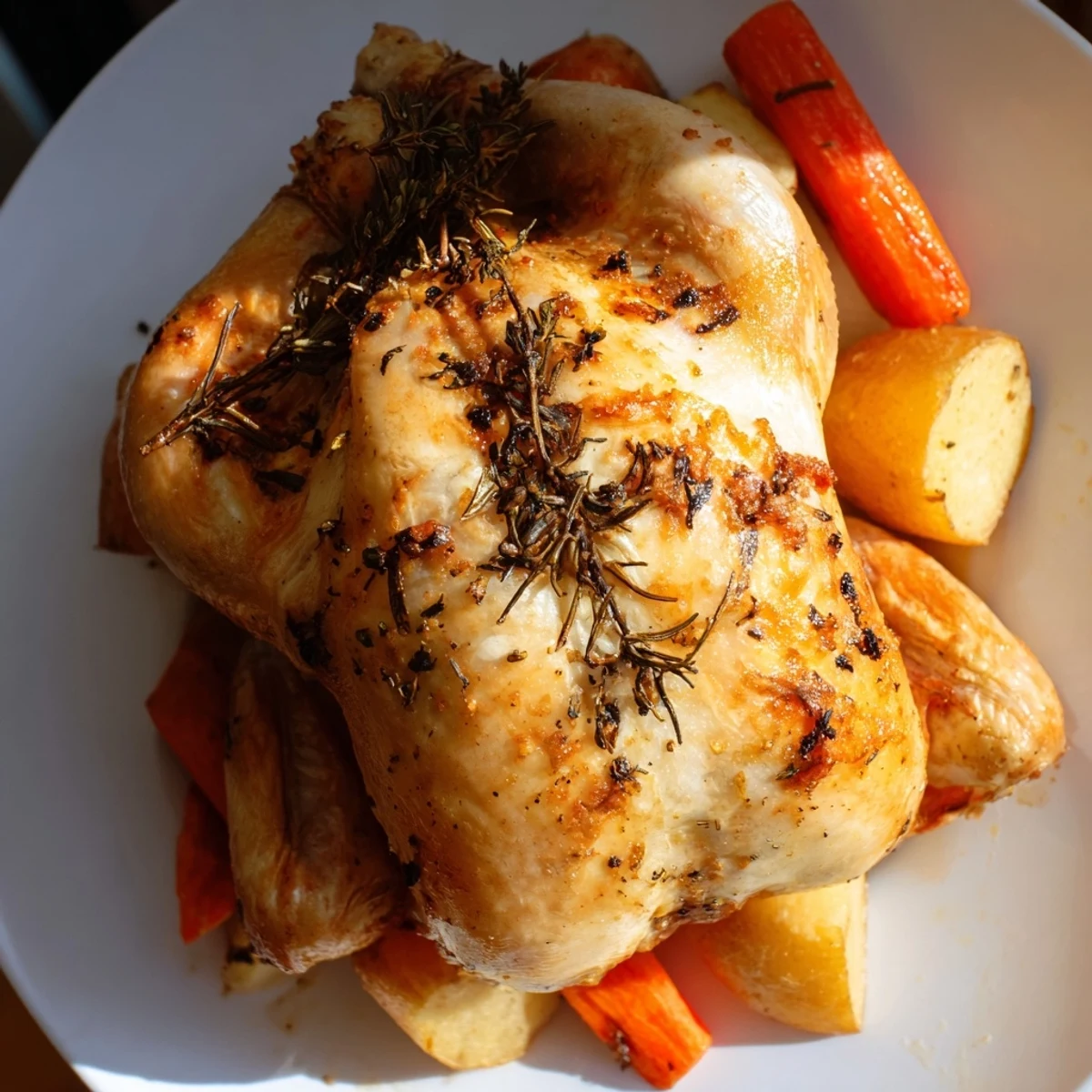
Save This classic roast chicken dinner features tender and golden-brown chicken seasoned with herbs and stuffed with lemon and garlic for a flavorful bite. Roasted alongside a medley of carrots, potatoes, onions, and celery, the dish delivers a balanced, aromatic experience. Optional white wine or broth adds moisture and depth. Roast uncovered until juices run clear, then rest before serving to lock in succulence. Perfect for a simple, hearty family meal with natural, comforting flavors.
My sister called one Sunday morning asking if I could make dinner for her family that night. I hadn't roasted a whole chicken in months, but something about the simplicity of it felt right for the occasion. An hour later, when that golden bird came out of the oven and the smell hit everyone at the door, I remembered why this dish has lived in my cooking rotation for so long. It's honest food that somehow feels like an occasion without trying.
I've learned that roasting a whole chicken is the kind of meal that transforms an ordinary Wednesday into something worth sitting down for. My kids used to pick at separate components until I started serving it family-style, straight from the pan, and suddenly everyone wanted more vegetables than I'd prepared.
Ingredients
- 1 whole chicken (about 1.5 kg/3.3 lbs): Look for one that fits comfortably in your pan with room for vegetables around it; smaller birds cook faster and more evenly than massive ones.
- 2 tbsp olive oil: This creates the golden, crackling skin everyone comes back for, so don't skimp or substitute with vegetable oil.
- 1 lemon, halved: Stuffing it inside perfumes the meat from within and keeps everything juicy as it roasts.
- 4 garlic cloves, smashed: Smashing releases the oils and makes them mellow and sweet rather than sharp and harsh.
- 2 tsp kosher salt and 1 tsp freshly ground black pepper: These amounts are for seasoning the bird generously both inside and out, which is the secret to flavor that tastes intentional.
- 2 tsp dried thyme and 2 tsp dried rosemary: Fresh herbs are lovely if you have them (use double), but dried herbs concentrate the flavor and are honest about what they are.
- 4 medium carrots, 4 medium potatoes, 2 medium onions, 2 celery stalks: Cut everything to similar sizes so they cook evenly; the vegetables catch the drippings and become the best part of the meal.
- 1/2 cup white wine or chicken broth (optional): This adds moisture and complexity, especially if your oven runs hot.
Instructions
- Prep your workspace:
- Remove the chicken from the fridge 20 minutes before cooking so it roasts evenly. Pat it completely dry with paper towels because moisture is the enemy of crispy skin.
- Season generously:
- Rub every surface with olive oil, then season inside and out with salt, pepper, thyme, and rosemary. Use your fingers to work the herbs under the skin where they belong.
- Stuff the cavity:
- Stuff the lemon halves and smashed garlic cloves inside; they'll flavor the meat and release their oils as everything roasts together.
- Build the pan:
- Toss your cut vegetables in the roasting pan, arrange the chicken breast side up on top, and slide the whole thing into a 200°C (400°F) oven.
- Optional liquid:
- Pour wine or broth over the vegetables if you want extra insurance against dryness and deeper pan flavors.
- Roast untouched:
- Let it go for 1 hour 20 minutes; don't peek constantly. The chicken is done when juices run clear and a thermometer inserted into the thickest part of the thigh reads 75°C (165°F).
- Rest before carving:
- Remove from the oven and let it rest 10 minutes; this gives the juices time to redistribute so every bite stays tender and moist.
 Save
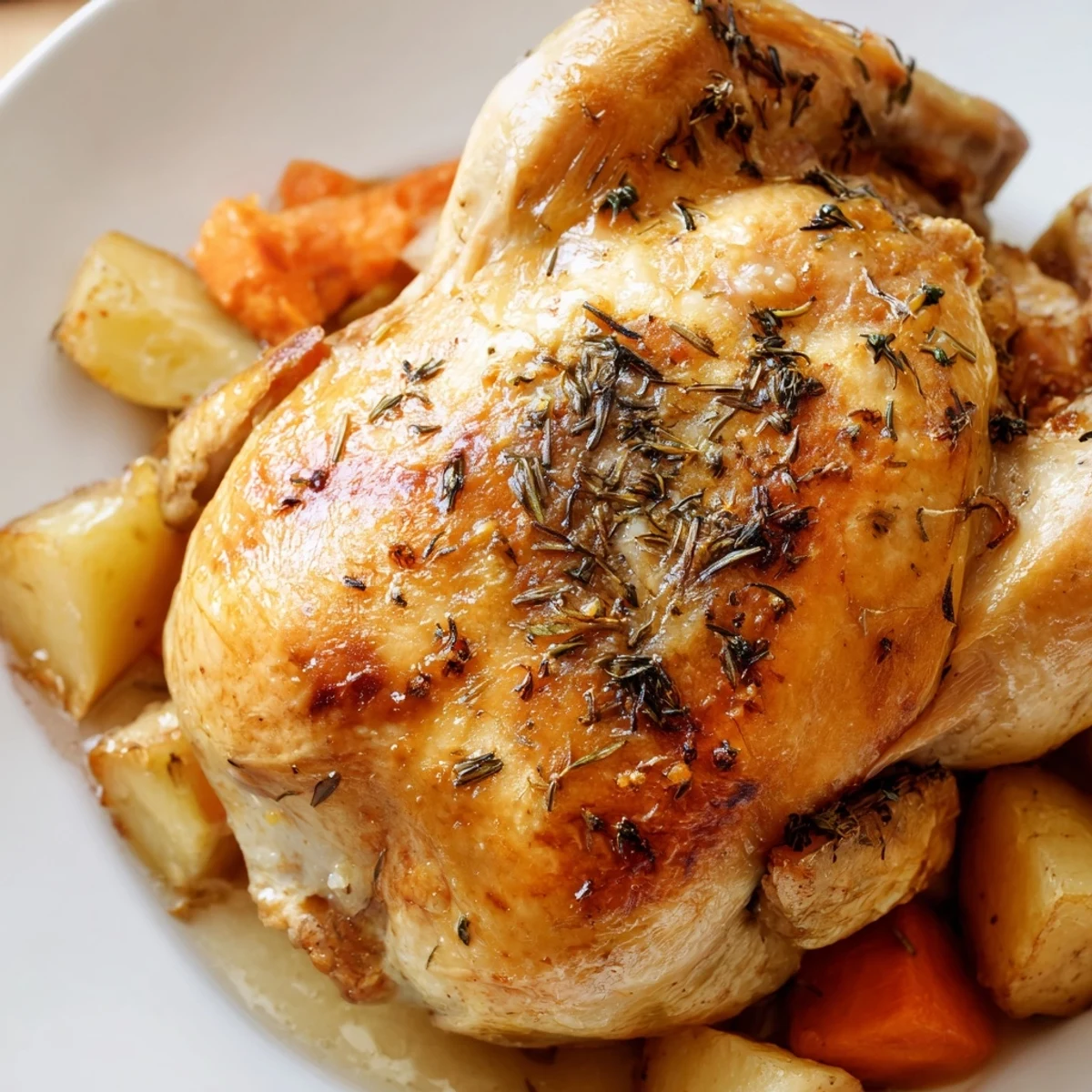
Save There's a moment when the family gathers around the table and someone says the chicken smells amazing, and you realize this simple bird just became the reason everyone showed up. That's when you know you've done something right.
The Basting Secret
Halfway through roasting, open the oven and spoon the pan juices over the chicken skin. It sounds fussy, but it's the move that separates restaurant-quality crispy skin from ordinary roasted chicken. The juices carry fat and flavor that make the skin shatter when you cut into it. I learned this the hard way after years of making soggy-skinned birds, and now I never skip it.
Vegetable Variations
Once you nail the basic formula, the vegetables become your playground. Parsnips add earthy sweetness, sweet potatoes bring something unexpected, and small Brussels sprouts or root vegetables all work beautifully. The key is keeping them in similar-sized chunks so nothing sits there raw while other pieces burn. I've also added fresh herbs like sage or thyme directly on top of the vegetables, which roast into crispy, fragrant little flavor bombs.
Serving and Pairing
A fresh green salad cuts through the richness perfectly, and the pan juices become a sauce you pour over everything. A chilled Chardonnay or Sauvignon Blanc makes the whole meal feel special without requiring any extra effort. I've even served this with crusty bread for soaking up every drop of those golden juices, which honestly might be my favorite part.
- Don't throw away the pan juices; they're liquid gold for gravy or tomorrow's chicken soup.
- Leftovers shred beautifully for sandwiches or salads the next day, so consider roasting an extra bird if you have people to feed.
- A whole roasted lemon, squeezed over the finished dish, adds brightness that makes everything taste more alive.
 Save
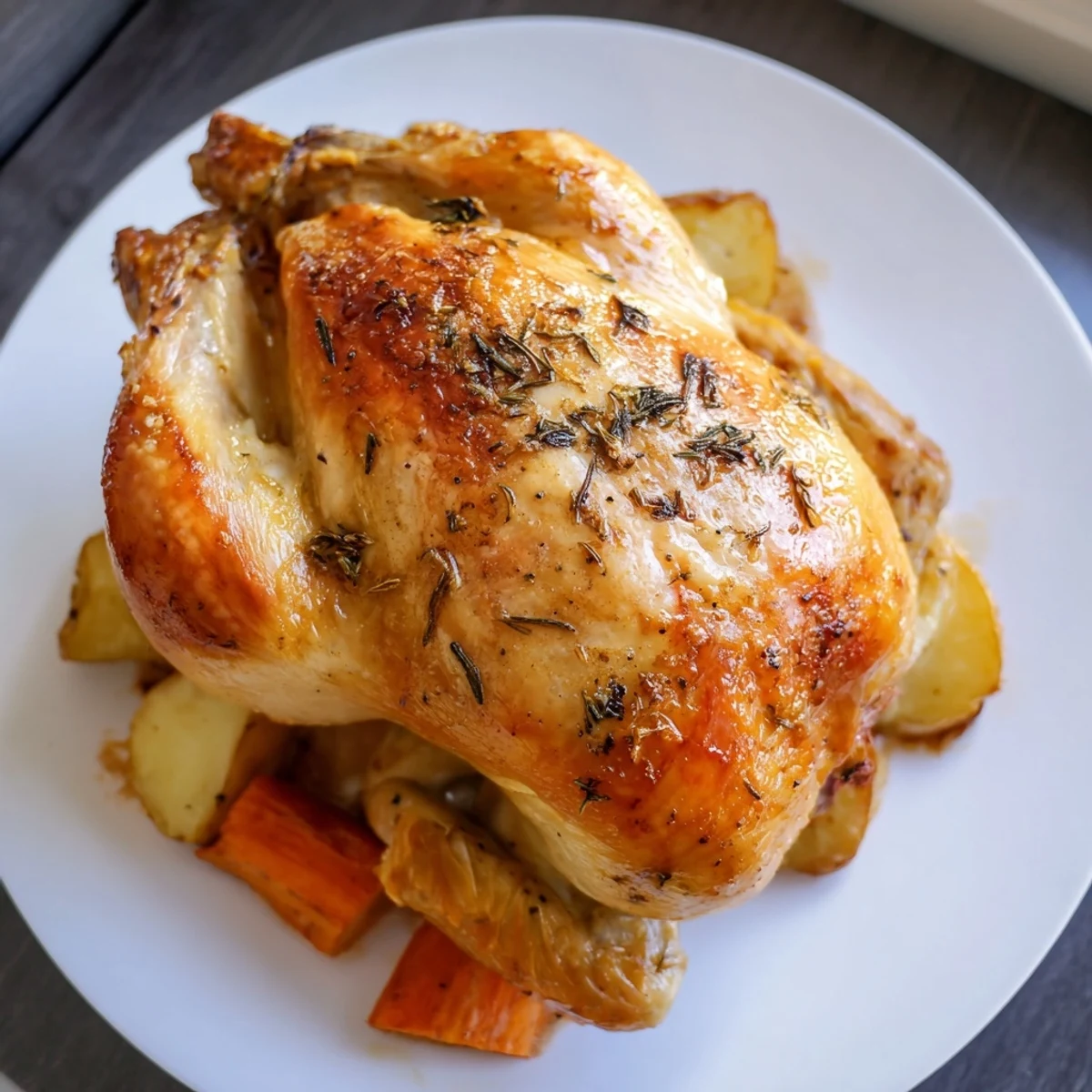
Save This is the kind of dinner that brings people together without drama or stress, which is exactly what cooking should do. Make it for someone you care about and watch what happens.
Recipe FAQs
- → How do I ensure the chicken is cooked perfectly?
-
Roast the chicken uncovered until the internal temperature reaches 75°C (165°F). Let it rest 10 minutes before carving to keep it juicy.
- → Can I add other vegetables to this dish?
-
Yes, root vegetables like parsnips or sweet potatoes can be added for variety and enhanced flavor.
- → What is the purpose of stuffing lemon and garlic inside the chicken?
-
Stuffing lemon and garlic infuses the chicken from within, adding bright and savory notes throughout the meat.
- → Is it necessary to baste the chicken during roasting?
-
Basting halfway through roasting helps achieve a crispier skin and keeps the meat moist by redistributing pan juices.
- → How can I add extra moisture and flavor to the roasted vegetables?
-
Pour white wine or broth over the vegetables before roasting to enhance moisture and deepen the overall taste.