
 Save
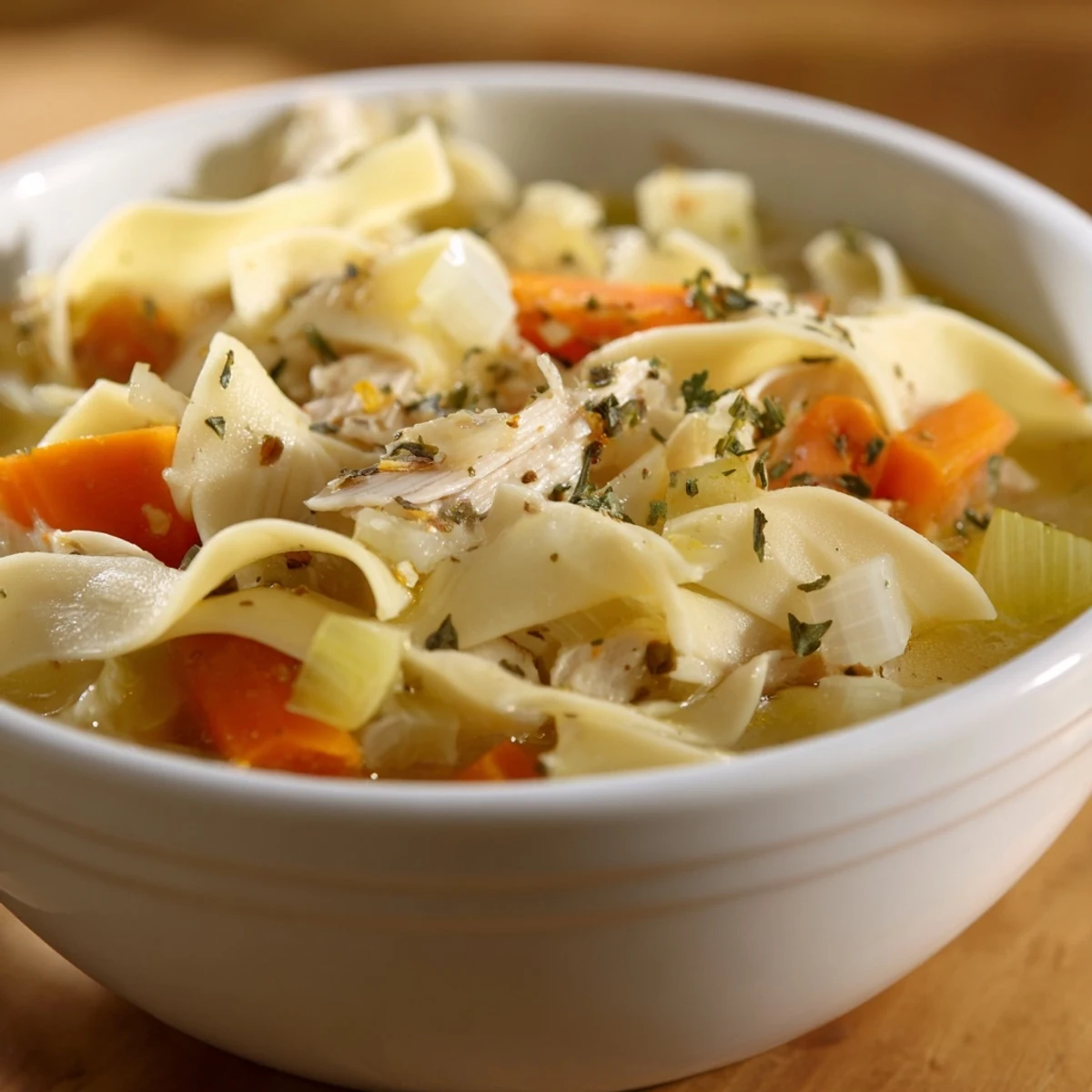
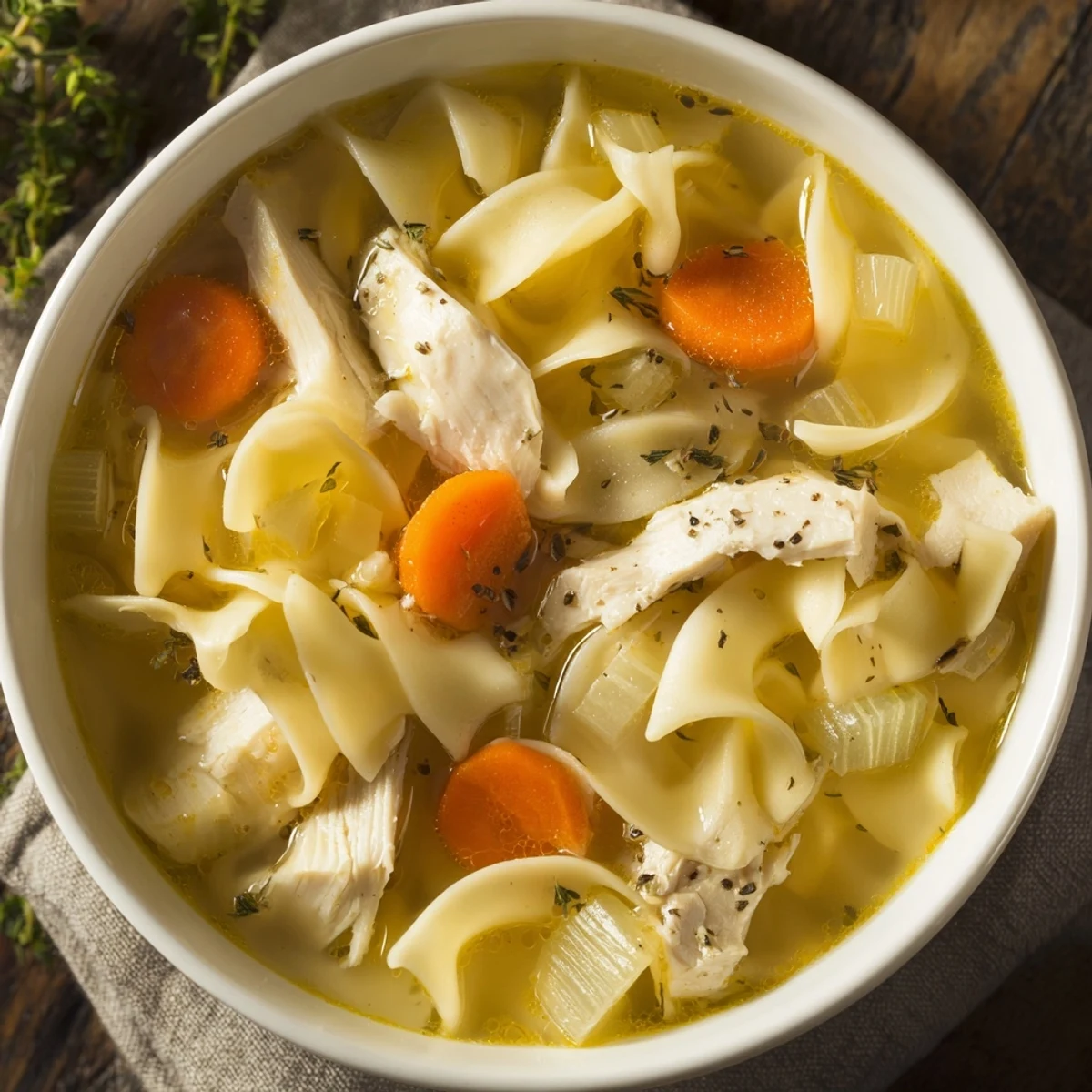
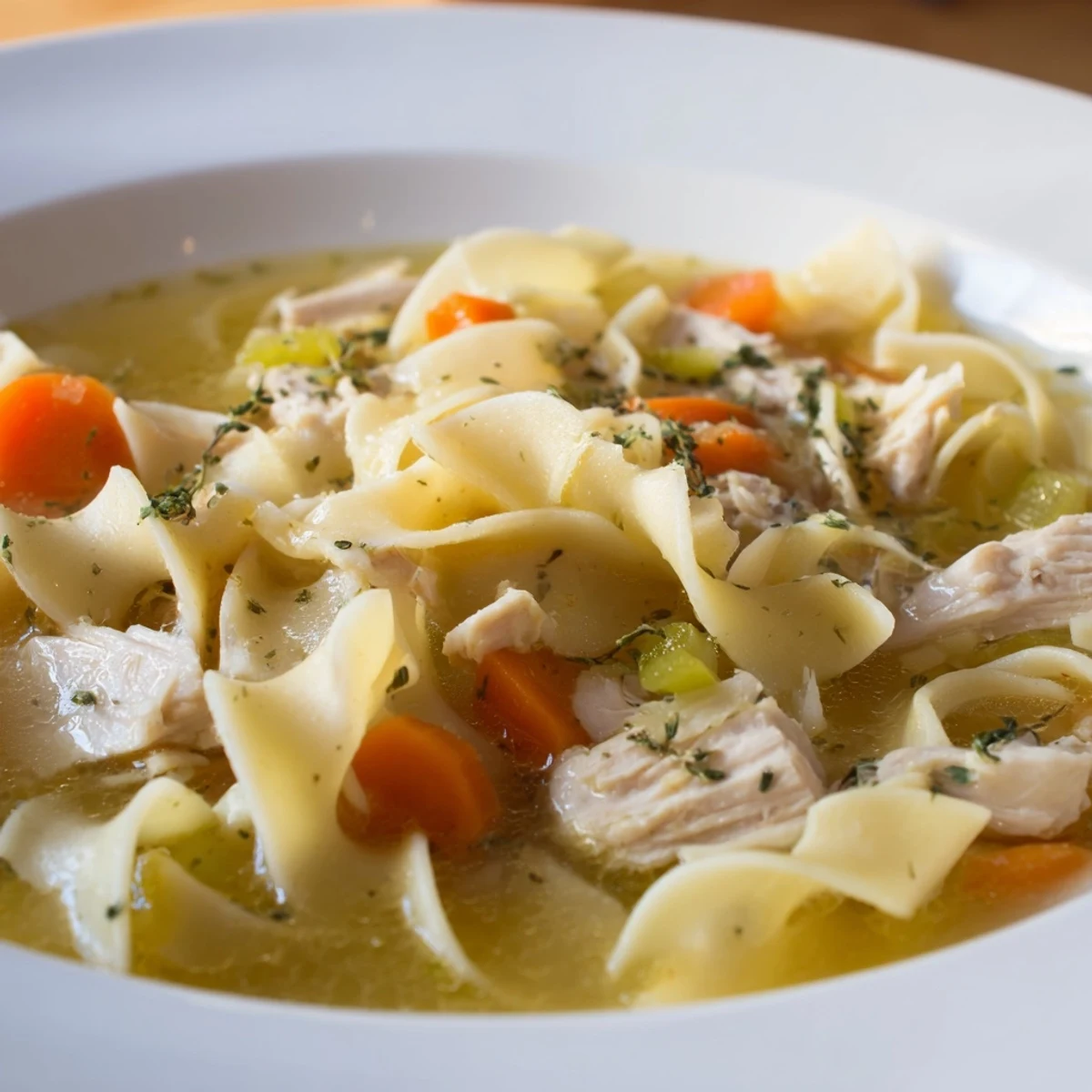
Save This classic chicken noodle soup features tender diced chicken, sliced carrots, celery, and onions sautéed to release their flavors. Garlic adds warmth before simmering in a seasoned broth with bay leaf, thyme, and parsley. Wide egg noodles are added last, cooking until tender to create a satisfying, nourishing bowl perfect for chilly days. Garnish with fresh parsley and enjoy warm, optionally adding lemon juice or dill for a twist.
There's something about the smell of sautéed celery and carrots that stops me in my tracks every single time. Years ago, a friend's grandmother taught me that the magic of this soup isn't in fancy ingredients—it's in letting those vegetables soften slowly while the kitchen fills with warmth. Once you taste homemade chicken noodle soup, the canned versions feel like shadows of the real thing. It's become my go-to when someone needs comfort in a bowl.
I remember making this for my roommate during his first winter in a new city, watching his shoulders relax as he took the first spoonful. The noodles were still slightly chewy, the chicken was tender, and the broth had that gentle savory depth that tastes like someone's been taking care of you. He asked for the recipe before he even finished the bowl.
Ingredients
- Chicken breasts: Boneless, skinless pieces cook quickly and stay tender—dice them into bite-sized chunks rather than shredding so they hold their shape in the broth.
- Carrots and celery: These form the backbone of your broth's flavor, so don't rush the sauté step—let them caramelize slightly at the edges.
- Onion: A medium one, finely chopped, will dissolve almost completely into the broth, adding sweetness and depth.
- Garlic: Three cloves minced fine ensure they distribute evenly without overpowering the delicate balance.
- Low-sodium chicken broth: Eight cups is the foundation—use the best quality you can find, as it directly shapes your final soup.
- Wide egg noodles: Two cups dried noodles are generous enough to make the soup hearty, and they cook in just the right time so they don't get mushy.
- Bay leaf and dried thyme: These herbs anchor the flavor profile, adding earthiness that makes the soup feel timeless.
- Dried parsley: Besides the garnish, it brightens the broth subtly—fresh would be even better if you have it.
- Salt and pepper: Taste as you go; the broth is already salted, so you're mainly fine-tuning.
- Olive oil: One tablespoon is enough to prevent sticking and adds a whisper of richness to the aromatics.
Instructions
- Build your base with softened vegetables:
- Heat the olive oil in a large pot over medium heat and add the onion, carrots, and celery. Sauté for five minutes, stirring occasionally, until the vegetables begin to soften and the kitchen fills with that unmistakable aromatic haze.
- Wake up the garlic:
- Add the minced garlic and cook for about one minute, just until it becomes fragrant and lightly golden—any longer and it turns bitter.
- Introduce the chicken:
- Add your diced chicken pieces and stir them around the pot for three to four minutes until they're lightly browned on the outside. You're not cooking them through yet, just sealing in flavor.
- Pour in the broth and seasonings:
- Add the chicken broth, bay leaf, thyme, parsley, salt, and pepper. Stir to combine, then bring everything to a boil before reducing the heat to a gentle simmer for fifteen minutes.
- Finish with the noodles:
- Add the egg noodles and simmer for eight to ten more minutes, stirring occasionally, until they're tender and the chicken is cooked through. The broth should taste rich and balanced—adjust salt and pepper if needed.
- Final touches:
- Remove and discard the bay leaf, then ladle the soup into bowls. Garnish generously with extra parsley and serve immediately while it's still steaming hot.
 Save
Save Years ago, I overcrowded a pot and the noodles turned to mush, and I learned that day that soup is forgiving but not careless. Now I make it with intention, watching as the flavors meld and the kitchen becomes a place where people want to linger. That's when I know I've gotten it right.
Why This Soup Feels Like Home
Chicken noodle soup has this quiet power—it doesn't announce itself with bold spices or unusual ingredients, yet it manages to be exactly what you needed without knowing you needed it. The simplicity is deceptive; every element matters, and when you get the proportions right, something almost magical happens. It's the kind of dish that makes people slow down and actually taste what they're eating.
Make It Your Own
Once you've made this version a few times and understand how the flavors work together, you'll start noticing small ways to personalize it. A squeeze of fresh lemon juice added just before serving brightens everything, or a handful of chopped fresh dill if you're feeling herbal. Some versions call for crusty bread on the side, and honestly, that's not just a suggestion—it's essential for soaking up every last bit of broth.
Storage and Reheating Tips
This soup keeps well in the refrigerator for up to four days, and it actually tastes better the next day once the flavors have had time to deepen. For freezing, I recommend storing the broth and noodles separately—defrost the broth, reheat gently, and cook fresh noodles or add previously cooked ones at the very end to avoid mushiness. The chicken can be frozen right in the broth and reheats beautifully, becoming even more tender and flavorful.
- Make double batches so you always have comfort waiting in your freezer when life gets hectic.
- Reheat gently over medium heat rather than rushing it on high—low and slow preserves the delicate flavors.
- Add extra broth if it thickens too much during storage, adjusting to your preferred consistency.
 Save
Save This soup has a way of bringing people together without fuss or pretense. Whether you're nursing a cold, feeding a crowd, or simply craving something warm, it's always there—reliable, humble, and deeply satisfying.
Recipe FAQs
- → What type of chicken works best?
-
Boneless, skinless chicken breasts or thighs both provide tender meat; thighs add richer flavor.
- → Can I use different noodles?
-
Wide egg noodles are traditional, but gluten-free alternatives can be used for dietary needs.
- → How do the herbs enhance the flavor?
-
Bay leaf, thyme, and parsley create a delicate herbal aroma balancing the savory broth.
- → What is the best way to cook vegetables for this dish?
-
Sautéing carrots, celery, and onions softens them and releases natural sweetness, enhancing depth.
- → How can I add brightness to the soup?
-
A splash of lemon juice or fresh chopped dill added before serving lifts the flavors beautifully.