
 Save
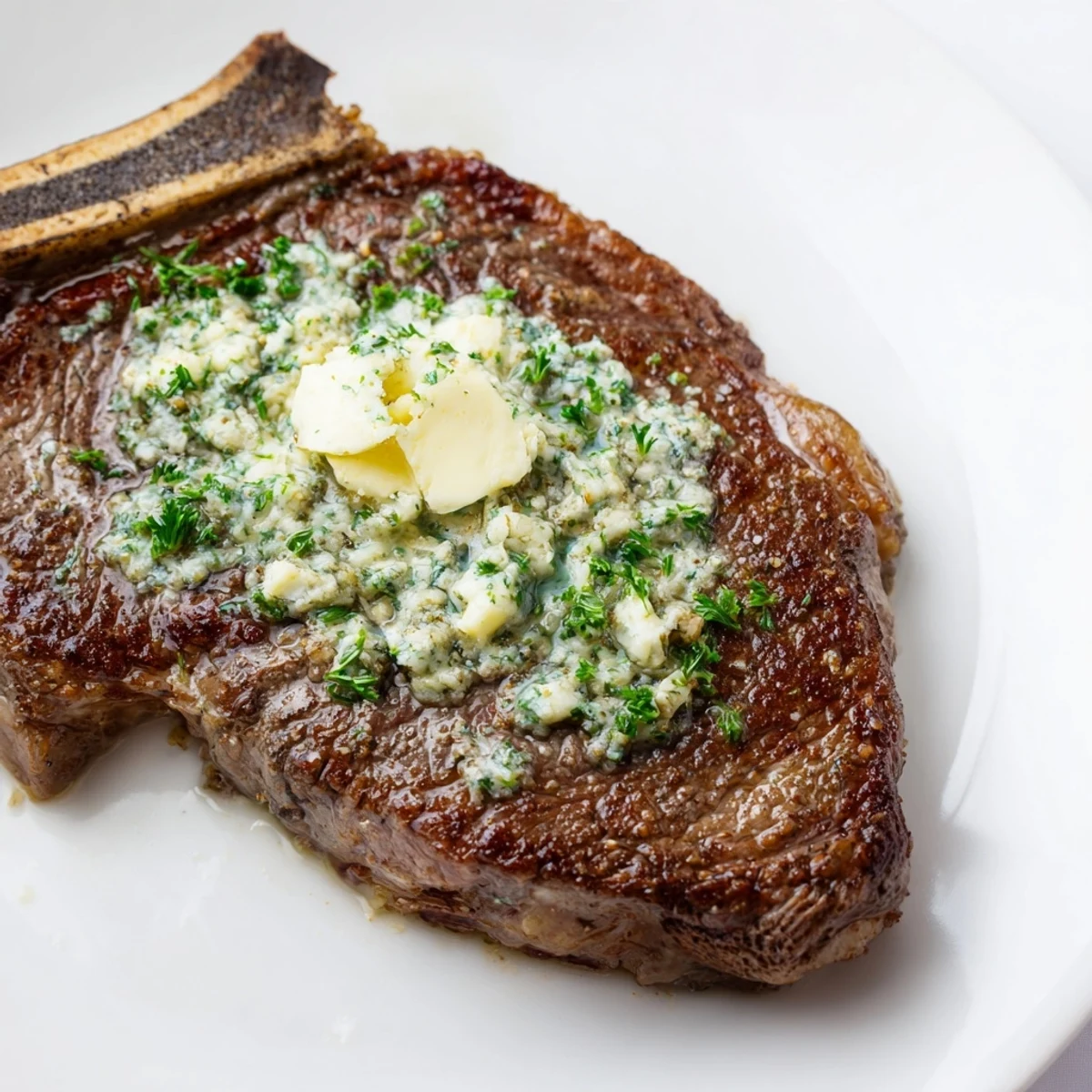
Save This classic beef steak is seared to lock in juices, then topped with a savory garlic herb butter for rich flavor. Start by bringing steaks to room temperature, seasoning generously, and cooking in hot olive oil for a perfect medium-rare finish. Adding herb butter during the last minute enhances moisture and aroma. Resting the steak ensures tender slices. Ideal for pairing with roasted vegetables or mashed potatoes, this dish is simple yet elegant.
There's a particular moment in cooking when you know you've got it right—the moment the steak hits a screaming hot pan and that immediate sizzle fills the kitchen with promise. I learned to make this beef dinner steak on an ordinary Tuesday night when my roommate was down about a rough week, and I decided that what she needed wasn't sympathy, but a really good steak. Twenty minutes later, watching her face light up at the smell of garlic and thyme butter melting over perfectly seared beef, I realized that sometimes the most meaningful meals are the simplest ones.
My neighbor once asked me to teach her how to cook steak because she was tired of always ordering it out for special occasions. We made this exact recipe on her new cast iron skillet, and by the time the butter was foaming, she was already planning to make it for her anniversary dinner next week. There's something deeply satisfying about transferring confidence to someone else through a recipe this straightforward.
Ingredients
- Ribeye steaks (2, 8 oz each, about 1 inch thick): Ribeye has just the right marbling to stay juicy even if you accidentally cook it a touch longer than intended—trust me on this.
- Kosher salt (1 tsp): Kosher salt has larger crystals that dissolve better and let you feel more control over seasoning than table salt ever will.
- Freshly ground black pepper (½ tsp): Fresh pepper makes a measurable difference; pre-ground loses its bite over time.
- Unsalted butter (2 tbsp, softened): Softened butter mingles with the garlic and herbs to create a silky, luxurious finish that salted butter can't quite achieve.
- Garlic (1 clove, minced): One clove is enough to whisper garlic flavor without overpowering the meat—more would be greedy.
- Fresh parsley (1 tbsp, chopped): Parsley adds a fresh, almost peppery note that keeps the butter from being too rich and heavy.
- Fresh thyme leaves (1 tsp): Thyme's earthy, slightly piney flavor pairs with beef like they were made for each other.
- Olive oil (1 tbsp): You need a high-heat oil to get that golden crust, and olive oil delivers both temperature tolerance and flavor.
Instructions
- Let the steaks come to life:
- Pull your steaks from the fridge 30 minutes early and pat them dry with paper towels—this is the secret nobody talks about but everyone should. Moisture is the enemy of a golden crust, and room temperature meat cooks more evenly from edge to center.
- Season with intention:
- Sprinkle salt and pepper generously on both sides, pressing gently so it adheres. Taste a tiny corner if you're unsure—you want it to taste like something before it ever hits the pan.
- Make the magic butter:
- In a small bowl, stir together softened butter, minced garlic, parsley, and thyme until it looks like a fragrant paste. This is what transforms a steak into dinner-party-worthy food, so don't skip it.
- Get your pan screaming hot:
- Heat olive oil in a cast iron skillet over high heat until it shimmers and just barely starts to smoke—this is the moment when magic happens. Your kitchen will fill with heat and anticipation, and that's exactly right.
- Sear with confidence:
- Place the steaks in the pan and don't touch them—let them sit for 3 to 4 minutes until they develop a golden, crusty exterior. Flip only once, then cook the other side for another 3 to 4 minutes for medium-rare, adjusting time if you prefer it differently.
- Finish with butter:
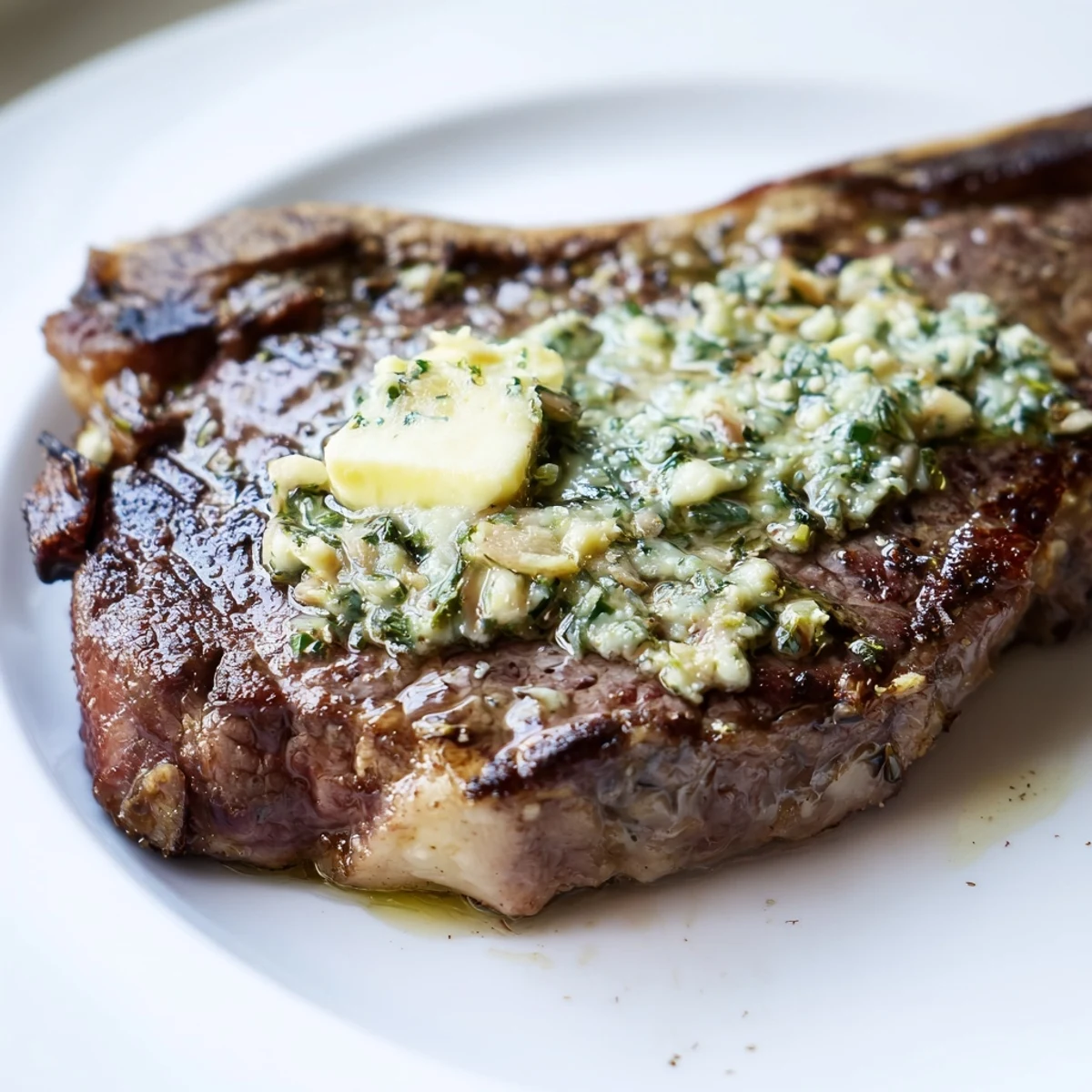
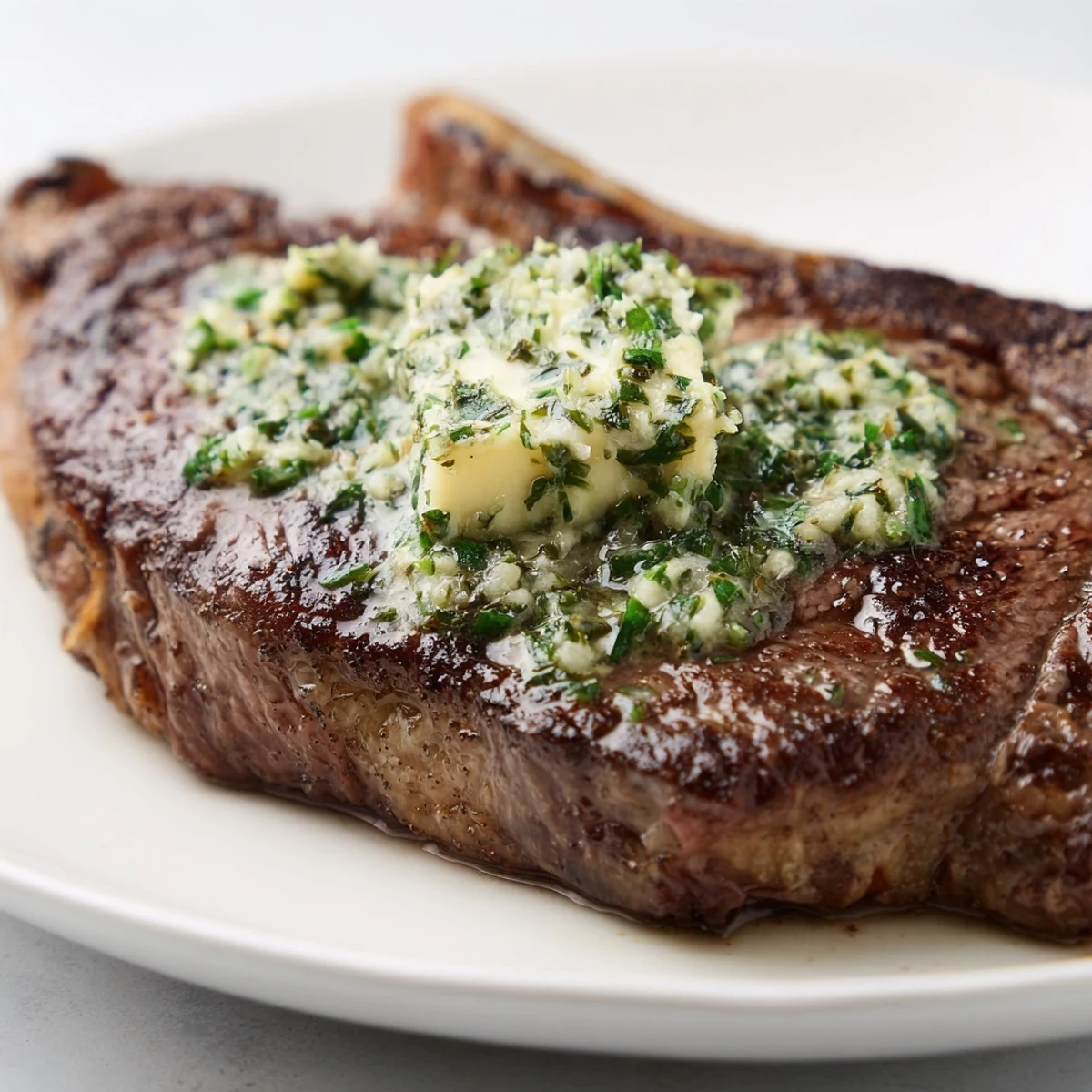
- In the last minute of cooking, add a spoonful of that herb butter to the pan and let it foam and brown slightly, then tilt the pan and baste the steaks with it. This final moment is when everything comes together—the butter browns slightly, the herbs release their oils, and your steak becomes something special.
- Rest before serving:
- Transfer the steaks to a plate and let them sit for 5 minutes—this allows the juices to redistribute throughout the meat instead of running all over your plate. Top with any remaining herb butter and serve immediately.
 Save
Save I remember the first time I realized that cooking a perfect steak at home could be just as good as any restaurant—maybe better, because I could eat it in my pajamas. That small realization shifted how I thought about cooking, turning it from something intimidating into something I could actually trust myself to do well.
Why Cast Iron Matters
Cast iron holds heat better than any other pan, which means the moment your cold steak hits the surface, that temperature drop doesn't crater your sear like it would in a regular skillet. Once you cook a steak in cast iron, you'll understand why it's been around for over a century—it just works. If you don't have cast iron yet, a heavy stainless steel pan is your next best option, though the results won't quite be the same.
Temperature and Timing
Three to four minutes per side works for a 1-inch-thick steak cooked to medium-rare, but thickness and pan temperature matter enormously. If your steaks are thicker, give them more time; if thinner, less. The only truly reliable way to know if you've nailed it is to let one steak rest, then slice into it and check the color—that feedback teaches you faster than any rule ever could.
Serving and Pairing
A perfectly cooked steak deserves to be the star of the plate, not buried under competing flavors. Serve it with something simple—mashed potatoes soak up the herb butter beautifully, roasted vegetables add color without stealing focus, or a crisp green salad provides a bright counterpoint. If you're drinking wine, a Cabernet Sauvignon has the tannins and body to stand up to beef without overpowering it.
- Mashed potatoes are perfect for soaking up every last bit of herb butter.
- A fresh salad cuts through the richness and makes the whole meal feel balanced.
- Save any leftover herb butter for tomorrow's toast—nothing goes to waste.
 Save
Save This steak has fed me through quiet Tuesday nights and celebration dinners alike, and it's never once let me down. Once you make it, it becomes part of your reliable, whenever-you-need-something-good-fast repertoire.
Recipe FAQs
- → How do I achieve a perfect sear on the steak?
-
Use a hot cast iron skillet with olive oil until just smoking. Sear each side for 3-4 minutes without moving the steak to create a caramelized crust.
- → Why should the steak be rested after cooking?
-
Resting lets the juices redistribute throughout the meat, resulting in a tender and juicy texture when sliced.
- → Can I use a different cut of beef?
-
Ribeye is ideal for its marbling and flavor, but other cuts like striploin or sirloin can be used with adjusted cooking times.
- → What herbs work best in the butter topping?
-
Fresh parsley, thyme, and minced garlic are combined for aromatic flavor, but rosemary or chives also complement well.
- → How do I adjust cooking for different doneness levels?
-
Cook shorter for rare or longer for medium-well, flipping once. Use a thermometer to check internal temperature for precision.