
 Save
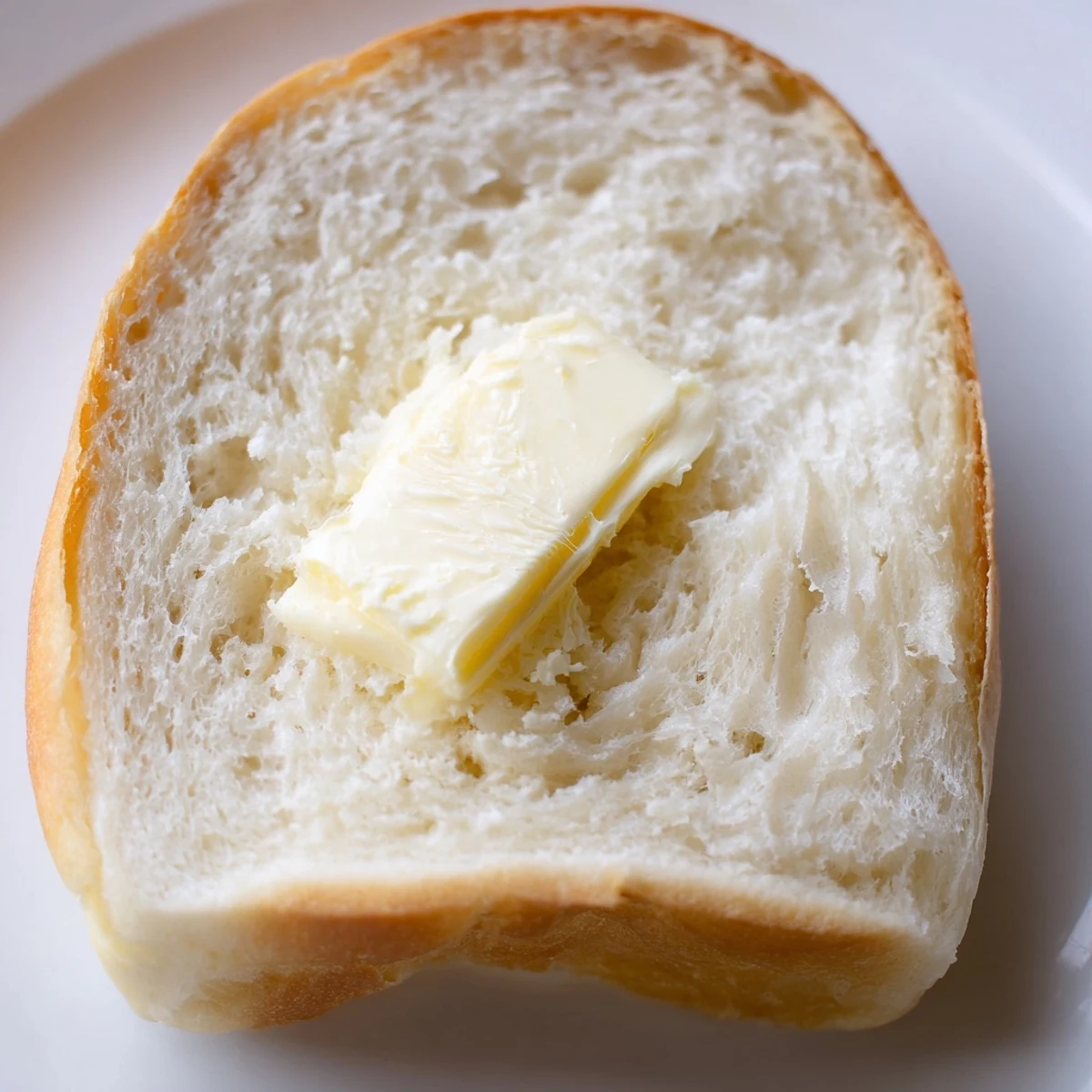
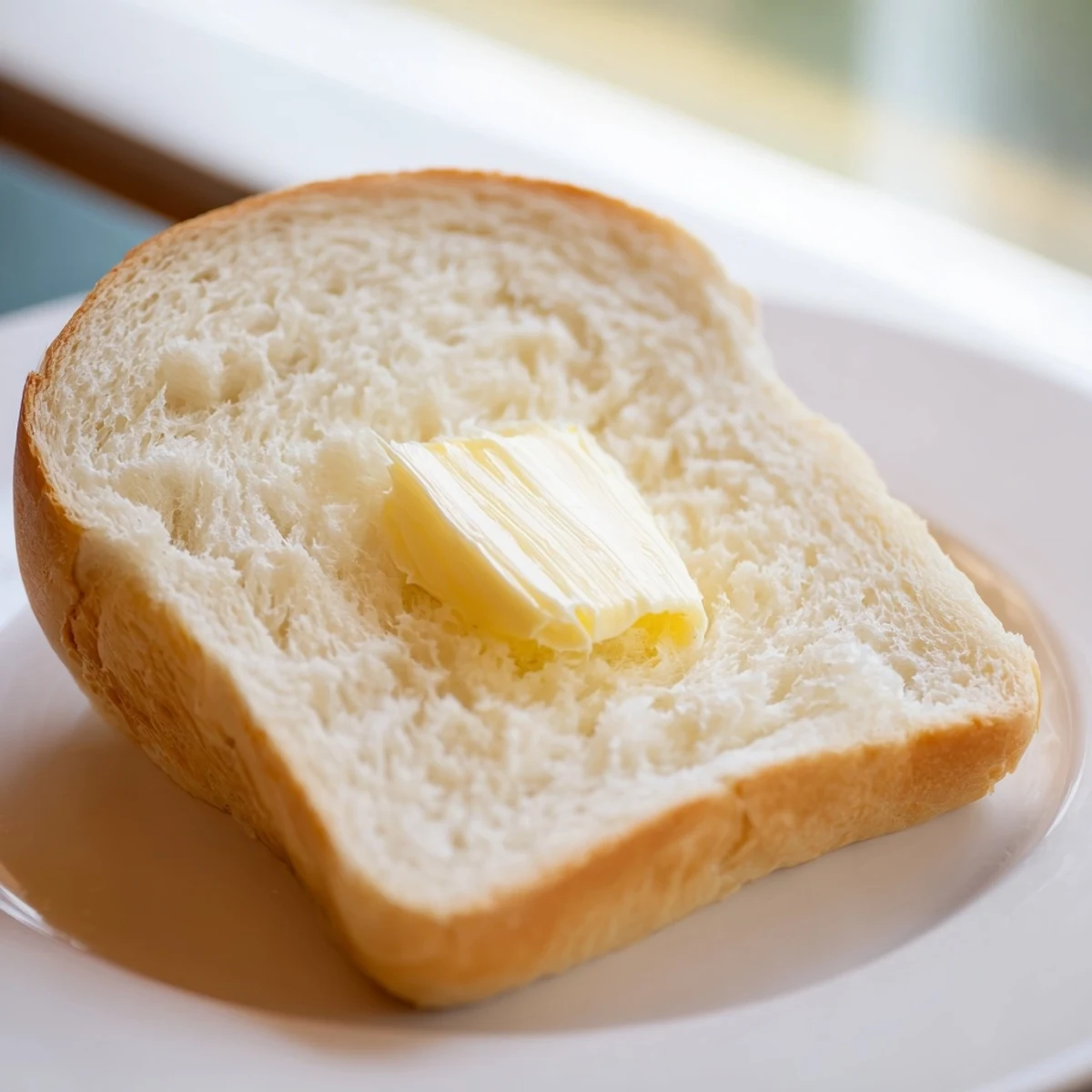
Save This baked bread offers a golden crust paired with a soft, airy interior, achieved through simple steps involving yeast activation, kneading, and rising. The loaf is baked until hollow-sounding and brushed with softened butter for added richness. Ideal for serving warm, it suits various toppings or additions like herbs and garlic butter to elevate flavor.
There's something almost magical about the smell of bread baking on a quiet Sunday morning—it transforms the whole house into something warm and inviting. I discovered this particular loaf recipe during a phase when I was convinced I couldn't bake bread, after a few dense disasters that made me question everything. A friend handed me her worn index card with these exact proportions and said, "Stop overthinking it," and somehow that permission changed everything. Now it's the first thing I make when someone needs comfort, or when I just need to feel like I have my life together.
I made this bread for the first time at my neighbor's kitchen when she was teaching me that baking isn't as mysterious as I'd made it out to be. She let me mess up the first rise by opening the oven door three times to check, and didn't scold me—just showed me how to salvage it. The loaf that came out was imperfect, lopsided even, but when we pulled it from the oven and brushed it with butter, her teenage daughter came downstairs asking what smelled like a bakery.
Ingredients
- Bread flour: This sturdy flour gives you that structure and chew that makes homemade bread feel like real bread—don't skip it for all-purpose if you can help it.
- Warm water: Temperature matters here; too hot kills the yeast, too cold and nothing happens, so test it like a baby's bath water.
- Active dry yeast: Fresh yeast is a game-changer if you can find it, but active dry yeast is reliable and honest.
- Granulated sugar: This feeds the yeast and jumpstarts fermentation; think of it as the yeast's first meal.
- Fine sea salt: Salt strengthens the gluten and deepens flavor, but add it to the flour, not directly to the yeast or it'll sabotage your rise.
- Olive oil: Adds richness to the crumb and makes the dough silky to work with.
- Unsalted butter for topping: Brush it on while the bread is still hot so it melts into every crack and crevice.
Instructions
- Wake up the yeast:
- Combine warm water, sugar, and yeast in a small bowl and watch it bloom—it should get foamy and smell alive. This is your proof that the yeast is ready to work.
- Build the dough:
- Mix flour and salt in your largest bowl, then pour in the yeasty mixture and olive oil, stirring until everything comes together. At this stage it looks shaggy and unpromising, but trust the process.
- Knead into submission:
- Turn the dough onto a floured surface and knead for 8 to 10 minutes—your hands will know when it shifts from rough to smooth and elastic. This is meditative work.
- Let it breathe:
- Oil your bowl, nestle the dough inside, cover it with a damp cloth, and find a warm corner of your kitchen. An hour later it'll have doubled, and you'll feel like a magician.
- Heat the oven:
- Get it to 430°F while your dough finishes its first rise so everything's ready when you need it.
- Shape and final rise:
- Punch the dough down (this is satisfying), then shape it into a loaf in a greased pan or freeform on parchment. Let it rise for 30 minutes—it doesn't need to be perfect, just puffy.
- Bake until golden:
- Slide it into the hot oven for 30 to 35 minutes until the crust is deep golden and it sounds hollow when you tap the bottom. Your kitchen will smell like a dream.
- Finish with butter:
- Pull it out, brush softened butter all over the hot crust immediately, and let it cool just enough that you won't burn your mouth on the first slice.
 Save
Save The day I realized this bread recipe had truly become mine was when my partner came home to the smell of it baking and didn't even ask—just set the table. There was no announcement needed, just the understanding that something good was about to happen.
Making Bread Less Intimidating
Bread baking has a reputation for being temperamental, but it's really just about reading what the dough is telling you rather than following the clock exactly. If your kitchen is cold, the rise takes longer—that's not a failure, it's just information. Every dough behaves slightly differently depending on humidity, flour type, and your stove's quirks, and that's actually the beautiful part; you're learning to cook, not just following instructions.
The Crust Question
A lot of people ask why their homemade bread doesn't have that shattery crust like bakery bread, and the answer is almost always steam. The oven at a bakery is full of moisture, which helps the crust brown and crackle before it dries out. You can replicate this by putting a shallow pan of hot water in the bottom of your oven while the bread bakes, or by misting the bread with water right before it goes in.
Variations and Next Steps
Once you've made this loaf a few times and feel confident, the world opens up—you can add seeds or herbs to the dough, brush the top with egg wash for shine, or experiment with shaping. Some days I score the top with a sharp knife before baking just to watch the bread bloom in the oven, which is somehow even more satisfying than eating it.
- Mix fresh herbs or minced garlic into softened butter for a compound butter that takes this bread to another level.
- For a crisper, darker crust, bake at 450°F for the first 10 minutes, then drop it to 400°F for the remainder.
- Leftover bread makes incredible toast, breadcrumbs, or bread pudding if you can resist eating it all fresh.
 Save
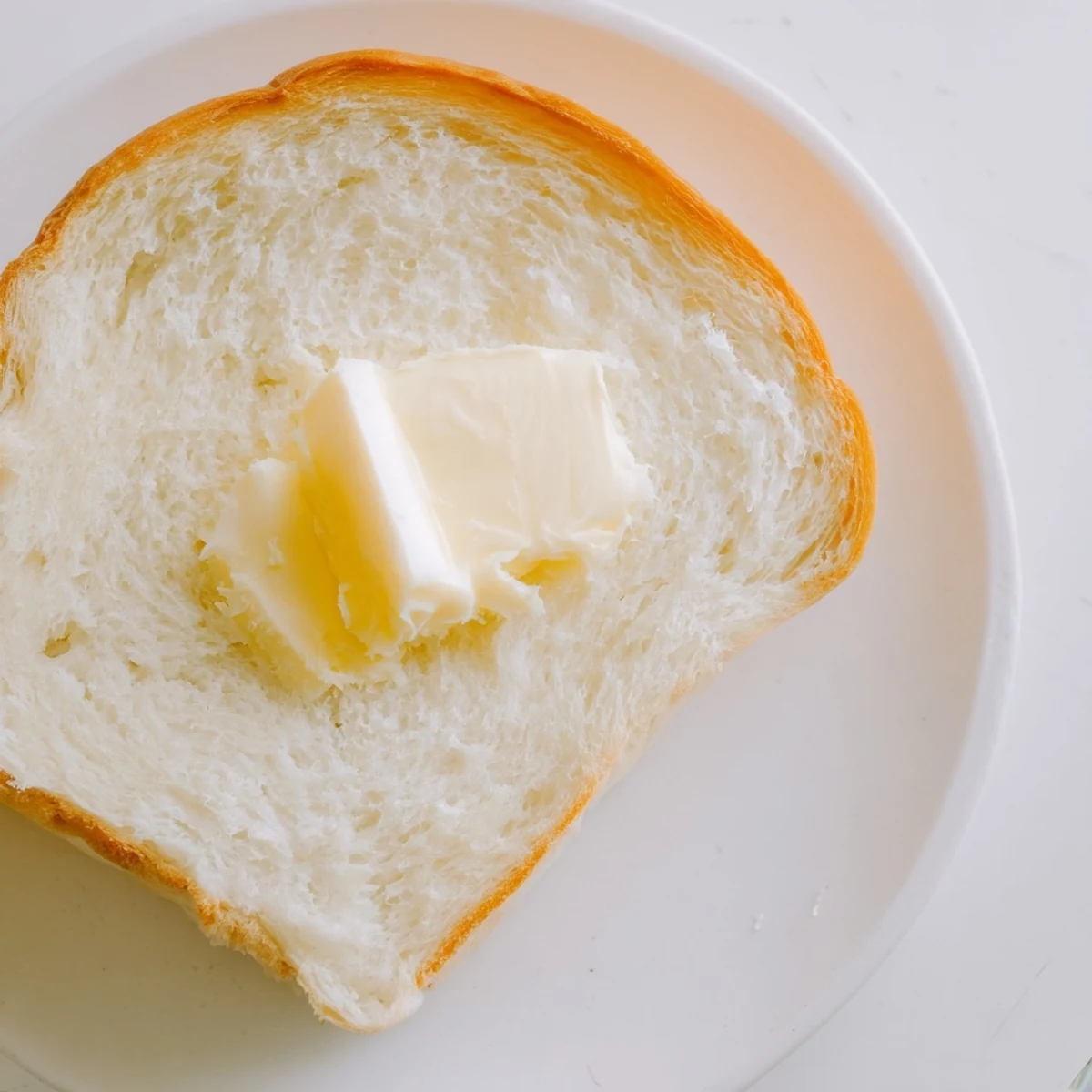
Save There's something honest about making bread from scratch—no shortcuts, no mystery ingredients, just flour, water, salt, and yeast doing what they've done for thousands of years. Serve it warm with real butter and watch people's faces change.
Recipe FAQs
- → What type of flour is best for this bread?
-
Bread flour is recommended for its higher protein content, which helps develop gluten for a chewy texture and good rise.
- → How long should the dough rise?
-
Allow the dough to rise in a warm spot for about 1 hour until it doubles in size, then again for 30 minutes after shaping.
- → Can I add flavor variations to the butter topping?
-
Yes, mixing herbs or garlic into the softened butter before brushing adds extra aroma and taste.
- → What is the ideal oven temperature for baking?
-
Preheat the oven to 430°F (220°C) for a golden crust and proper bake through.
- → How can I achieve a crisper crust?
-
Place a pan of water in the oven during baking to introduce steam, which helps develop a crispier crust.